How to Help a Person with Mental Problems is one of these questions that so many people struggle with secretly after their loved one has begun to act differently or even push himself/herself away or even be attacked by this very life. It could be that the individual knows that something is wrong but is not sure what to do or what to say. The act of motivating a mentally challenged person does not involve offering the right answers but rather seeming tolerant and understanding and offering directions.
We also know that education, as well as compassion, is an effective tool in Palm Coast Treatment Solutions. This guide is aimed at reminding you to pay attention to some of the warning signs, initiate supportive conversations, and know when to seek professional assistance, depending on the circumstances, without being judgmental, pressurizing, or feeling afraid.
What are mental health conditions?
The way one thinks, feels, and acts, and the manner in which one can cope with daily living conditions are all influenced by mental health. They comprise anxiety and depression in addition to mood disorders, trauma-related conditions, and complicated diagnoses. These circumstances do not reflect frailty and failure in life. It is health issues; they are normally influenced by environmental factors, stress, and life experience.
This knowledge can be applied to do away with blame and stigma. The person you are helping is mentally ill, and when you help him or her, you are addressing a legit health need, just as you would be responding to a legit health need when you are helping a person with diabetes or heart disease. The most secure healing environment is empathy and enlightenment.
Warning Signs and Symptoms
The struggle with mental health does not always go that dramatically. The symptoms, in the majority of cases, develop slowly and may be disregarded. Of these, there are warning signs of detection:
- Relentless depression, company, or restlessness.
- Stopping to go out and dine with friends and other family members or those who just like doing things.
- Changes in sleep or appetite
- Inability to focus or choose.
- The use of alcohol or some other substance is inherent to a larger degree.
- Gifts of desperation or stress.
These patterns should also be observed at an early age so that one can be helped before the symptoms deteriorate. In cases whereby different signs are time-consuming (whether in weeks) and they are causing a disruptive normal living activity, then issues are to be sought.
100% Confidential Support is Available 24/7
No matter what you’re going through, you’re not alone. Our dedicated team is here to provide a safe, judgment-free space where you can talk openly and honestly. Whether you need emotional support, resources, or just someone to listen.
We’re here for you—completely confidential and always respectful of your privacy. Call us today!
How to Talk with your Loved one if you’re Concerned
The start of the discussion can be confusing. The purpose of it is not to diagnose or remediate but to unite.
When there is privacy and assurance of silence, then discuss the issue out of concern and not criticism. Use “I” statements, e.g., I have observed that lately you seem so disturbed; I am worried about you. Give them a decent place to speak.
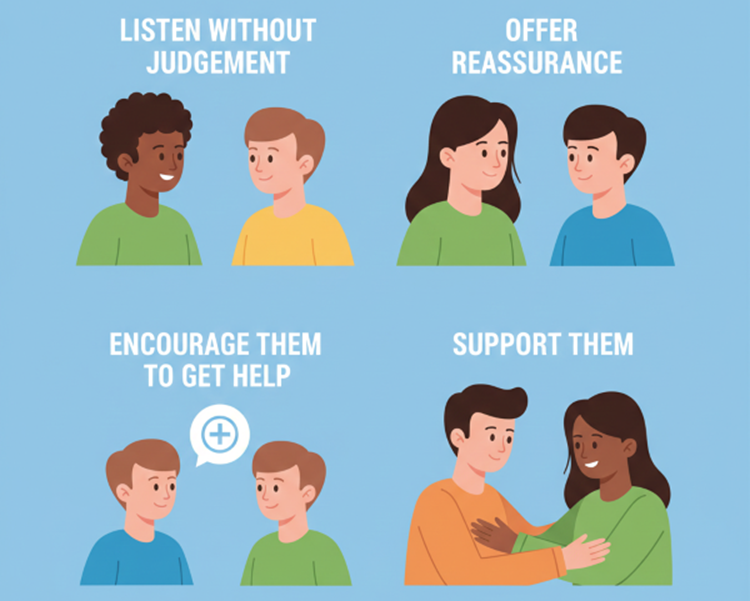
Listening is more applicable in the case of helping an individual with mental issues than providing solutions. They are not to be lightly dismissed or written off. Trust and safety develop out of such simple statements like “That sounds really hard” or “I am glad you told me.”
Contact Palm Coast Treatment Solutions
Battling with Drug and Alcohol Addition? Remember, you are not alone and we are here to help you!
How to cope
It can be emotionally draining to have empathy towards a mentally challenged individual. You may be jumpy, riotous, or powerless, and that would be natural.
Limits initiate the coping process. You must not love all that you must bear all yourself. Take some relaxation, do things that you love, and have your support system. Self-educate to make sure that expectations are realistic.
Remember, it is not necessary to lose your mental condition when volunteering. By virtue of your long-term sustenance in alleviating a mentally disturbed individual, you have better chances of being supportive.
Overcome Addiction with Palm Coast Treatment Solutions.
Book an appointment.
How can I find a healthcare provider or treatment?
It is not an easy matter to find the appropriate type of care, not to mention that this is a person who is either unsure or scared. Begin with the known resources, such as primary care providers or certified therapists, or a certified treatment facility.
Locate the programs of individual care, evidence-based therapies, and the integrated caring support. Many providers can make assessments available and use them to define the appropriate level of care.
The encouragement of treatment does not matter in coercion. Voluntarily offer services in the research, scheduling, or transportation. This practical action would be able to eliminate the barriers and act as real assistance.
Seek professional help
The friends and family support here fails. Sometimes, professional assistance is needed in case of worsening of symptoms, failure to live their ordinary life, or failure to feel safe.
The mental health practitioners would offer properly designed treatment, therapy, and medical assistance where necessary.
An earlier diagnosis will improve the result and decrease the effect in the long term.
Palm Coast Treatment Solutions offers a personal and confidential array of mental health treatment opportunities on-site at the crossroads with no prejudice or coercion, wherever the individuals are, in the event they encounter a crossroads.

Take the next step: Support starts with a conversation
You do not have to go out of your way when a loved one is only suffering. Palm Coast Treatment Solutions can be addressed to ask questions and even to know potential solutions that could help your loved one and help him or her realize that he or she is making progress.
You can call and talk with a caring professional and learn how we can help you and your family discover the way to betterment towards a healthier mind.
Overcome Addiction with Palm Coast Treatment Solutions.
Book an appointment.
Frequently Asked Questions
What are the 10 common warning signs of a mental health crisis?
Common signs include extreme mood changes, withdrawal, sleep disruption, hopelessness, confusion, reckless behavior, substance misuse, paranoia, inability to function daily, and thoughts of self-harm. When several appear together or escalate quickly, immediate professional help is strongly recommended.
How to help someone who is struggling with mental health issues?
Listen without judgment, express concern calmly, encourage professional support, and offer practical help like finding resources. Being consistent, patient, and respectful helps someone feel safe enough to accept care and begin recovery.
What are the 3 C’s of mental illness?
The 3 C’s are Cause, Course, and Consequences. They help explain what contributes to a condition, how it progresses over time, and how it affects daily life, relationships, and overall functioning.
How do you help a mentally ill person who doesn’t want help?
Focus on building trust rather than forcing change. Share observations gently, respect autonomy, and keep communication open. If safety is a concern, professional intervention may be necessary even if the person resists.
What is the 3-month rule in mental health?
The 3-month rule suggests that if symptoms persist most days for three months or significantly disrupt daily life, professional evaluation is needed. Ongoing symptoms rarely resolve on their own without appropriate treatment.
What are the 5 D’s of mental illness?
The 5 D’s often refer to Distress, Dysfunction, Deviance, Danger, and Duration. Together, they help clinicians assess severity, risk, and the need for structured mental health treatment.
Would you like me to help you generate a meta description or social media snippets for this blog post?