In This Blog
- The Nature of Nicotine Dependence
- How Nicotine Affects the Brain
- Detailed Nicotine Withdrawal Timeline
- Physical Side Effects of Cessation
- Psychological and Emotional Hurdles
- Factors Influencing the Recovery Process
- Professional Support and Monitored Settings
- Strategies for Managing Cravings
Nicotine is a very addictive stimulant that is contained in tobacco products and electronic cigarettes. It gives a short-term burst of dopamine, establishing a feedback loop of reinforcement that results in physiological addiction when taken. To many, nicotine elimination is one of the most important moves towards enhanced health in the long term, but in most cases, one must go through the problematic withdrawal phase.
The withdrawal is because the brain has become used to the presence of nicotine to bring about a feeling of balance. Once the substance is abruptly discontinued, the nervous system will be forced to recalibrate substantially. The process has many symptoms that may influence mood, physical comfort and cognitive ability. It is important to know the timeline and the side effects of this transition in case one wants to go through the process successfully.
Nicotine withdrawal, although it is not the physically dangerous type as other substance withdrawals can be, may be the blocking factor to success, especially in psychological and physical terms. To cope with these symptoms and avoid relapse, professional supervision and systematic care may offer the needed tools and resources to handle those symptoms.
Expert Advice: Consistent professional oversight helps individuals manage the physiological transitions during tobacco cessation.
The Nature of Nicotine Dependence
Nicotine dependence is characterized by the compulsive use of tobacco or nicotine products despite the known negative consequences. The substance works by binding to nicotinic acetylcholine receptors in the brain, triggering the release of neurotransmitters that improve mood and concentration. Over time, the brain increases the number of these receptors, which creates a need for higher and more frequent doses of nicotine to achieve the same effect.
When an individual stops using nicotine, these receptors remain active but unstimulated. This leads to the hallmark symptoms of withdrawal, including intense cravings and irritability. Because nicotine is metabolized quickly, the body begins to signal its absence within just a few hours of the last use.
The Role of Habit and Routine
Beyond the chemical dependence, nicotine use is often deeply integrated into an individual’s daily routine. Behaviors such as smoking a cigarette with coffee or using a vape during stressful moments create strong psychological associations. Addressing both the chemical need and these behavioral triggers is a key focus of recovery services within a treatment environment.
Detailed Nicotine Withdrawal Timeline
The journey through nicotine withdrawal is generally divided into several phases. While every individual’s experience is unique, most follow a predictable pattern of symptom onset and resolution.
4 to 24 Hours: The Immediate Onset
The first signs of withdrawal usually appear within 4 to 24 hours after the last dose. During this window, individuals often feel restless and irritable and may begin to experience a slight headache. Cravings for nicotine start to intensify as the levels in the bloodstream drop.
48 to 72 Hours: The Peak Phase
For most, the symptoms reach their peak intensity between the second and third days. This is often the most difficult period, characterized by significant anxiety, difficulty concentrating, and increased appetite. Physical side effects like digestive changes or “smoker’s flu” (coughing and sore throat) may become more pronounced during this peak.
1 to 2 Weeks: The Stabilisation Phase
By the end of the first week, the acute physical symptoms usually begin to subside. Cravings may still occur, but they are typically less frequent and shorter in duration. During the second week, energy levels often begin to stabilise, though some psychological symptoms like mood swings may persist.
3 to 4 Weeks and Beyond: Long-term Maintenance
By the one-month mark, the brain has made significant progress in down-regulating its nicotine receptors. Most people feel a sense of relief from the constant pressure of withdrawal. However, it is important to remain vigilant against environmental triggers that could lead to a relapse.
Phase | Timeframe | Primary Symptoms |
Onset | 4–24 Hours | Anxiety, restlessness, mild cravings |
Peak | 2–3 Days | Intense cravings, irritability, insomnia |
Subsiding | 1–2 Weeks | Improved focus, reduced physical tension |
Maintenance | 1 Month+ | Psychological stabilisation, habit breaking |
Palm Coast Treatment Solutions offers recovery services and monitored settings to assist with long-term wellness goals
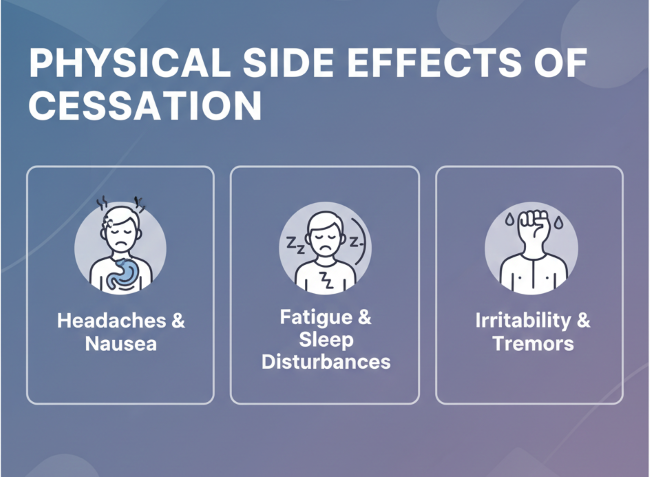
Physical Side Effects of Cessation
The body undergoes several physical changes as it clears nicotine and begins to heal. These side effects are a sign that the body is returning to its natural state of functioning.
- Increased Appetite: Nicotine is a natural appetite suppressant and metabolic stimulant. When it is removed, many people experience increased hunger and a temporary slowing of metabolism.
- Coughing and Lung Clearing: As the lungs begin to clear out mucus and tobacco debris, a temporary increase in coughing is common.
- Digestive Changes: Nicotine affects the movement of the digestive tract, so its absence can lead to temporary constipation or bloating.
- Sleep Disturbances: Insomnia or restless sleep is a frequent complaint during the first week of withdrawal.
These side effects are generally transient and resolve within a few weeks. Maintaining a structured routine with healthy nutrition and hydration can help mitigate these discomforts.
Psychological and Emotional Hurdles
The psychological impact of nicotine withdrawal is often what makes the process so challenging. Because nicotine previously modulated mood and stress, the brain must relearn how to handle these emotions independently.
Irritability and Frustration
In the early days of cessation, individuals may feel a “short fuse” or heightened frustration over minor issues. This emotional volatility is a direct result of the brain’s reward system being out of balance. Professional oversight in a monitored setting can help individuals navigate these emotional shifts without returning to nicotine use.
Cognitive Difficulties
Many people report “brain fog” or difficulty concentrating during the first week. Nicotine acts as a temporary cognitive enhancer; without it, the brain feels sluggish until it adjusts. This can make work or school tasks feel more difficult than usual for a short period.
FACT: Nicotine reaches the brain within ten seconds of inhalation, making it highly addictive.
Factors Influencing the Recovery Process
The severity of withdrawal symptoms is influenced by several factors related to an individual’s history and physiology.
- Level of Dependence: Those who use nicotine products frequently and in high doses will likely face more intense withdrawal.
- Duration of Use: Long-term use over many years results in more significant changes to the brain’s neurochemistry.
- Genetics: Some individuals are genetically predisposed to metabolise nicotine faster, which can lead to a more rapid onset of withdrawal symptoms.
- Method of Intake: High-potency products, such as certain electronic nicotine delivery systems, can lead to a deeper level of dependence.
Environmental Triggers
Social circles and daily habits also play a role. If an individual is constantly surrounded by others who use nicotine, the psychological pressure can exacerbate withdrawal symptoms. A supervised support environment can provide a necessary break from these triggers.
Influencing Factor | Impact on Withdrawal |
High Frequency of Use | Often leads to more intense physical cravings |
High-Stress Environment | Can worsen irritability and anxiety symptoms |
Genetic Predisposition | May affect the speed of nicotine metabolism |
For professional oversight and structured care, contact Palm Coast Treatment Solutions
Professional Support and Monitored Settings
While nicotine cessation is often attempted independently, professional recovery services offer distinct advantages. A monitored setting provides an environment where the focus remains entirely on health and the development of new coping strategies.
Structured care programs can offer:
- Evidence-Informed Strategies: Utilising proven methods to manage the behavioural aspects of addiction.
- Professional Oversight: Ensuring that any co-occurring health concerns are monitored throughout the withdrawal process.
- Community Support: Reducing the sense of isolation that often accompanies the early stages of cessation.
A treatment environment removes the immediate accessibility of nicotine, helping individuals bridge the gap through the peak of the withdrawal timeline. This supervised support is especially beneficial for those who have struggled with multiple previous attempts to quit.
Strategies for Managing Cravings
Successful cessation requires a proactive approach to managing cravings when they arise. Cravings are temporary, usually lasting only 5 to 10 minutes, but they can feel overwhelming in the moment.
- Delay and Distract: When a craving hits, engaging in a new activity like taking a short walk or drinking a glass of water can help the moment pass.
- Deep Breathing: Simple meditation therapy exercises can lower the heart rate and reduce the anxiety associated with withdrawal.
- Healthy Substitutes: Using sugar-free gum or crunchy vegetables can satisfy the oral fixation often associated with nicotine use.
- Physical Activity: Exercise releases natural endorphins, which can improve mood and reduce the intensity of cravings.
For those in a monitored setting, recovery services staff can provide immediate guidance and support when these challenges occur, ensuring that the individual remains on track toward their goals.

Long-Term Maintenance and Wellness
Achieving freedom from nicotine is a long-term journey that extends beyond the initial withdrawal timeline. Once the physical symptoms have resolved, the focus shifts to maintaining new habits and preventing a return to use during times of stress.
Palm Coast Treatment Solutions provides accessible recovery services within a monitored setting to support individuals through the nicotine withdrawal timeline. Our approach focuses on evidence-informed strategies and professional oversight to ensure a stable transition toward a smoke-free life. By prioritizing a structured treatment environment, we help individuals navigate the side effects of cessation with confidence and support.
Medical Disclaimer: This blog is for informational purposes only and is not a substitute for professional medical advice.
Key Takeaways
- Nicotine withdrawal is a physiological response to the brain’s reliance on external stimulants.
- Symptoms typically peak within 48 to 72 hours and mostly resolve within a month.
- Common side effects include irritability, increased appetite, and sleep disturbances.
- Professional oversight in a monitored setting can improve the success rates of cessation.
- Managing cravings effectively involves a combination of behavioural distraction and physical wellness.
- Long-term success is built on breaking both chemical dependence and daily habits.
FAQs
How long do nicotine withdrawal symptoms last?
The acute phase of nicotine withdrawal usually lasts about two to four weeks. Physical symptoms are strongest in the first few days, while psychological symptoms like irritability and cravings may linger slightly longer. Most people feel a significant improvement in their overall well-being by the end of the first month.
What is the hardest day of quitting nicotine?
Most individuals find the second and third days to be the most challenging. This is when nicotine has completely left the body, and the brain’s receptors are at their most active, leading to peak intensity for cravings, anxiety, and frustration. Professional oversight is very helpful during this time.
Can nicotine withdrawal cause physical illness?
Withdrawal can cause symptoms often referred to as the “smoker’s flu,” which includes coughing, a sore throat, and general fatigue. While these symptoms are uncomfortable, they are not life-threatening. They are simply signs that the respiratory system and immune system are beginning to recover and function normally again.
Will I gain weight if I quit nicotine?
Some people experience a modest weight gain because nicotine suppresses appetite and increases metabolism. However, this can be managed by focusing on nutrition and physical activity. Many find that the long-term health benefits of quitting far outweigh the temporary challenge of managing weight during the transition period.
How does professional support help with nicotine withdrawal?
Professional recovery services provide a structured care environment that reduces triggers and offers supervised support. This help includes behavioral strategies to manage cravings and professional oversight to address the emotional hurdles of cessation, making it easier for individuals to stay committed to their health goals throughout the process.