In This Blog
- Understanding Cocaine Dependence
- The Cocaine Withdrawal Timeline
- Physical and Psychological Symptoms
- Factors Influencing Withdrawal Severity
- The Importance of a Monitored Setting
- Transitioning to Long-Term Recovery Services
Cocaine is a strong stimulant that profoundly changes the brain chemistry, raising the quantity of dopamine in the brain pathways. When a person resorts to the frequent use, the central nervous system gets accustomed to the existence of the substance and results in the state of physiological and mental dependence. After an abrupt stop of use, the body will be forced to pass a challenging stage of re-adaptation. This is referred to as withdrawal, and comes with a number of symptoms that may prove difficult to cope with unless one has a clear picture of the schedule and the support structures.
Contrary to withdrawal caused by substances, e.g. alcohol or benzodiazepines, cocaine withdrawal does not generally come with any dramatic physical symptoms such as tremors or seizure. Rather, psychological and neurological issues are the main problems. The crash that results after discontinuation may include extreme exhaustion, mood swings, and extreme cravings. These stages are essential to understand, and one who wishes to get through the way of sobriety. Identifying these symptoms as short-term biological processes will help the person better prepare to continue the process in an organized treatment setting.
Expert Advice: Professional oversight provides a safe environment for managing stimulant withdrawal symptoms.
Understanding the Biological Impact
To understand withdrawal, one must first look at how stimulants affect the brain. Cocaine blocks the reabsorption of dopamine, a neurotransmitter associated with pleasure and movement. This creates a temporary surplus of dopamine, leading to the intense euphoria associated with the drug. Over time, the brain reduces its natural production of dopamine and the number of available receptors to compensate for the overstimulation.
When the drug is removed, the brain is left in a state of dopamine deficit. This chemical imbalance is the primary driver of the withdrawal experience. The central nervous system becomes hyporeactive, leading to the lethargy and low mood commonly reported during the initial stages of detox.
100% Confidential Support is Available 24/7
No matter what you’re going through, you’re not alone. Our dedicated team is here to provide a safe, judgment-free space where you can talk openly and honestly. Whether you need emotional support, resources, or just someone to listen.
We’re here for you—completely confidential and always respectful of your privacy. Call us today!
The Three Phases of Cocaine Withdrawal
Cocaine withdrawal is generally categorized into three distinct phases: the crash, acute withdrawal, and the extinction phase. Each phase presents unique challenges and requires different levels of supervised support.
The Initial Crash
The crash occurs almost immediately after the last dose, typically within hours, and can last for several days. During this period, the individual may experience an overwhelming need for sleep as the body attempts to recover from the stimulant’s effects. Increased appetite and a significant dip in mood are also standard during this timeframe.
Acute Withdrawal
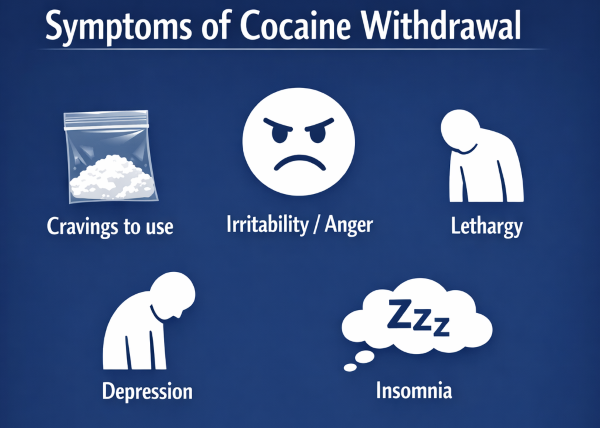
Following the crash, the acute withdrawal phase begins. This period usually lasts for one to three weeks. While the intense physical exhaustion may begin to lift, psychological symptoms often become more pronounced. Cravings for the substance may intensify, and individuals may struggle with irritability or an inability to experience pleasure, a condition known as anhedonia.
The Extinction Phase
The extinction phase is the longest part of the process, potentially lasting for several months. During this time, the brain continues to heal and recalibrate its neurochemical balance. While daily functioning usually improves, intermittent cravings can be triggered by environmental cues or stress. Consistent recovery services are often necessary during this phase to maintain progress.
Phase | Estimated Duration | Primary Characteristics |
The Crash | 1 to 3 days | Extreme fatigue, increased appetite, dysphoria. |
Acute Withdrawal | 1 to 3 weeks | Intense cravings, sleep disturbances, and irritability. |
Extinction | 1 to 6 months | Episodic cravings, mood stabilization, and gradual healing. |
For information on supervised support, contact Palm Coast Treatment Solutions
Contact Palm Coast Treatment Solutions
Battling with Drug and Alcohol Addition? Remember, you are not alone and we are here to help you!
Identifying Specific Symptoms
The symptoms of cocaine withdrawal are largely internal and behavioral. Because the drug affects the reward center of the brain, the absence of the substance creates a void that impacts how an individual perceives and interacts with the world.
Psychological Symptoms
The psychological burden of withdrawal is often the most significant barrier to successful detox. Symptoms include:
- Depression and Anxiety: A persistent low mood or sense of unease.
- Cognitive Difficulties: Trouble concentrating or making decisions.
- Vivid Dreams: Intense, often unpleasant dreams during periods of sleep.
- Cravings: A powerful psychological urge to return to substance use.
Physical Manifestations
While less prominent than the psychological effects, physical changes do occur. These include:
- Slowing of Activity: A general lethargy or “moving in slow motion.”
- Increased Appetite: The body demands more energy as it tries to stabilize.
- Chills or Nerve Sensitivity: Some report physical discomfort or temperature fluctuations.
Overcome Addiction with Palm Coast Treatment Solutions.
Book an appointment.
Factors Influencing the Withdrawal Experience
No two individuals experience withdrawal in exactly the same way. Several variables dictate the intensity and duration of the symptoms. These factors must be considered when designing a plan for professional oversight.
The duration and frequency of use are the most significant predictors. Those who have used high doses of cocaine over many years will likely face a more protracted extinction phase compared to short-term users. The method of consumption whether inhaled, injected, or smoked, also plays a role in how quickly the substance leaves the system and how rapidly the crash begins.
Co-occurring mental health conditions can also complicate the process. If an individual has an underlying mood disorder, withdrawal may exacerbate those symptoms, making a monitored setting even more essential for safety. Finally, the presence of other substances in the system, such as alcohol or opioids, changes the nature of the withdrawal entirely, requiring a more complex approach to recovery services.
Variable | Impact on Withdrawal |
Frequency of Use | Higher frequency often leads to more intense cravings. |
Polysubstance Use | Increases the risk of complex physical complications. |
Environment | Stressful environments can trigger more severe psychological distress. |
Health Status | General physical health influences the speed of the body’s recovery |
For professional help with recovery services, call Palm Coast Treatment Solutions
The Importance of Professional Oversight
Attempting to navigate cocaine withdrawal alone can be overwhelming. The psychological “low” associated with the crash can lead to impulsive decisions or a return to use simply to alleviate the discomfort. A monitored setting provides a buffer against these risks.
In a professional treatment environment, individuals are removed from triggers and stressors that might prompt a relapse. Supervised support ensures that mood fluctuations are managed safely and that the individual receives proper nutrition and rest. This structured care focuses on stabilizing the individual so they are physically and mentally prepared to enter the next stage of their recovery journey.
FACT: Cocaine withdrawal symptoms primarily affect the brain’s reward and motivation systems.
Overcome Addiction with Palm Coast Treatment Solutions.
Book an appointment.
Managing Cravings and Mental Health
Cravings are not merely a matter of willpower; they are a physiological response to a neurochemical deficit. In a recovery setting, various strategies are used to help individuals manage these urges. This may include cognitive-behavioral techniques that help the person identify and avoid triggers.
Addressing the mental health aspect of withdrawal is equally important. Since depression is a hallmark of the cocaine crash, having access to professional oversight ensures that any risks associated with low mood are addressed immediately. This level of care creates a foundation of safety that is difficult to replicate at home.
Transitioning to Long-Term Recovery Services
Detox is a vital first step, but it is not a complete solution for addiction. Once the acute withdrawal symptoms have been managed in a monitored setting, the individual must transition into a longer-term program. These recovery services are designed to address the underlying behaviors and environmental factors that contributed to substance use in the first place.
This transition involves a shift from stabilization to education and therapy. Individuals learn to rebuild their lives without the need for stimulants. This might include developing new coping mechanisms, repairing relationships, and establishing a healthy daily routine. Continued professional oversight during the extinction phase significantly improves the likelihood of maintaining long-term sobriety.
Overcome Addiction with Palm Coast Treatment Solutions.
Book an appointment.
Evidence-Based Approaches to Stimulant Recovery
Effective recovery services utilize evidence-based protocols to support the brain’s natural healing process. This often involves behavioral therapies that reward positive changes and help the individual reorganize their life around healthy goals. Because the brain’s reward system has been hijacked by cocaine, these therapies work to “retrain” the brain to find pleasure in natural, healthy activities.
Structured care also emphasizes the importance of community and peer support. Engaging with others who are on a similar path can reduce the isolation often felt during the withdrawal process. By combining supervised support with a long-term plan, individuals can navigate the complexities of cocaine withdrawal and build a sustainable future.

Palm Coast Treatment Solutions provides a structured treatment environment where individuals can receive supervised support throughout the various stages of recovery. Our focus is on offering professional oversight and evidence-based recovery services to help those navigating the challenges of stimulant withdrawal. We emphasize a comprehensive approach to care that prioritizes the safety and well-being of every person in our monitored setting.
Medical Disclaimer: This blog is for informational purposes only and is not a substitute for professional medical advice.
Key Takeaways
- Cocaine withdrawal is primarily characterized by psychological and neurological symptoms rather than physical ones.
- The withdrawal process typically follows a three-phase timeline: the crash, acute withdrawal, and extinction.
- Professional oversight in a monitored setting increases safety and reduces the risk of early return to use.
- Cravings can persist for months during the extinction phase, requiring long-term recovery services.
- Successful detox requires transitioning into a structured treatment environment for ongoing support.
FAQs
How long does cocaine withdrawal usually last?
The initial crash lasts for a few days, followed by an acute phase of one to three weeks. However, the extinction phase, which involves psychological cravings and mood stabilization, can persist for several months as the brain’s chemistry gradually returns to its natural, healthy state of equilibrium.
Is cocaine withdrawal dangerous for the heart?
While withdrawal itself is not typically life-threatening like alcohol withdrawal, the strain of stimulant use and the subsequent crash can impact cardiovascular health. Professional oversight is recommended to monitor overall health and ensure that the body stabilizes safely without further stressing the heart or the nervous system.
What are the most common psychological symptoms?
The most frequent psychological symptoms include profound depression, anxiety, irritability, and an inability to feel pleasure. Individuals also commonly experience intense cravings for the drug and vivid, unpleasant dreams. These symptoms are caused by a temporary dopamine deficit in the brain after the stimulant use has stopped.
Can detox be done safely at home?
Attempting to detox at home is often difficult due to the intensity of psychological cravings and the risk of depression. A monitored setting provides a safer, structured environment where professional oversight can help manage symptoms and prevent a return to use during the most vulnerable phases of withdrawal.
Do medications help during the withdrawal process?
There are currently no specific medications approved solely to treat cocaine withdrawal, but professional oversight can help manage specific symptoms like sleep disturbances or anxiety. A treatment environment focuses on supportive care and behavioral strategies to help the brain recover its natural balance over the recovery timeline.