
Key Takeaways
- Loperamide is intended for short-term diarrhea relief, not long-term or high-dose use
- Misuse can affect the heart, nervous system, and digestive tract
- Loperamide addiction can develop quietly due to its legal availability
- Treatment focuses on safety, medical support, and addressing underlying substance use patterns
- Early intervention improves outcomes and reduces long-term health risks
When the majority of the population turns to such an over-the-counter drug as Imodium, they do not anticipate lasting effects on the issue but rather immediate resolution of a painful situation. Loperamide (Imodium) Effects, Addiction, and Treatment is a substantial subject since abuse of this widely used drug has become common with little awareness among the people about the dangers associated with the use of the drug. At Palm Coast Treatment Solutions, we do not think it should be hard to achieve what is obvious and transparent education as the initial stage of making safer decisions and successful recovery.
This guide discusses how loperamide acts, the risks of misuse, the possible ways addiction can manifest, and how the person can be helped with the problem through professional treatment to normalize their life and well-being.
Understanding Loperamide (Imodium)
Loperamide is available in the market in a wide variety and is marketed under the brand name Imodium, which is usually used to slow bowel movements. Since one does not need a prescription to access it, most people consider it to be harmless. Actually, abuse may have severe medical implications, particularly when one does it over a long time at a large dose.
Knowledge about the mechanism of action of this medication and the risks may help avoid unintentional damage.
What is this Medication?
Loperamide is an anti-diarrheal tablet which acts by retarding bowel action. It also acts on opioid receptors of the gut to inhibit cramping and loss of fluids. Doing our ideal usage as guided, it may be powerful and secure in the brief time frame digestive issues in the short term.
Issues come about when a person takes excessive amounts of such or uses it for other purposes other than diarrhea control, like trying to treat withdrawal symptoms or the ongoing aches.
How Should I Use This Medication?
Loperamide must be administered at the minimal effective dose with minimal time required. The majority of the guidelines advise cessation of use after diarrhea and no longer than after two days unless otherwise instructed by a medic.
Taking loperamide daily, increasing the dosages or combining it with any other substance increases the probability of side effects and medical issues dramatically.
Call Palm Coast Treatment Solutions today and take the first step toward safe recovery.
Loperamide (Imodium) Effects
The desired Effects of Loperamide (Imodium) are a decrease in the frequency of bowel movements and firmer stool. These effects are still to a great extent confined to the digestive system at recommended doses. Nevertheless, when taken in greater quantities, the drug may enter the body mass in higher doses and target other organs.
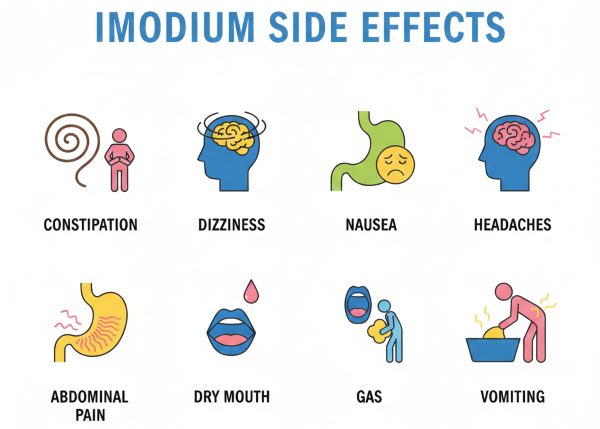
There may be the following physical effects:
- Constipation and pain in the abdomen.
- Dizziness or drowsiness
- Nausea or bloating
- Harmful abnormal heart rate rhythms.
- Severe cardiac arrest/loss of consciousness.
These risks are even greater when loperamide is abused or used in combination with other drugs with effects on the heart or nervous system.
Loperamide Effects and Abuse
There are many times that the abuse starts unintentionally. Some will add to the dose when the symptoms do not clear and some will find that the huge doses can diminish the symptoms of opioid withdrawal. This may give an illusion of security and dominance.
With time, frequent abuse may even overwork the heart and alter regular digestion as well as make individuals more tolerant; that is, they take more and more to have the same impact. This cycle puts the lives of the individuals in grave medical danger, although the medication is legally obtained.
Signs of Loperamide Addiction
Loperamide (Imodium) Addiction is not necessarily similar to other disorders of substance use. Since the drug is accepted by the society and legal, the warning signs may not be very obvious at first.
Common indicators include:
- Self-medicating by overdosing or increasing the dosage too often.
- Taking loperamide every day or for non-medical purposes.
- Feeling nervous or even having pain in the body when one cannot take it.
- Covering up usage or buying in large amounts.
- Persistent digestive or cardiac symptoms with no real explanation.
Professional assessment is highly suggested in case of these signs.
Struggling with Loperamide misuse? Call Palm Coast Treatment Solutions for expert help now.

Get Help for Loperamide Addiction
It is possible to recover from the Addiction of Loperamide (Imodium) with support. The process of treatment normally starts with a complete medical evaluation to cover the physical safety, especially the risks of the heart.
Individualized plans of care at Palm Coast treatment solutions target:
- Medicalized stabilization.
- Withdrawal symptoms and cardiac complications monitoring.
- Targeting the factual substance use patterns.
- Constant counseling and relapse prevention.
When you or anybody close to you is in distress, you can always contact them in advance and this can delay the severe complications that may arise.
Call Palm Coast Treatment Solutions and have a confidential chat with an expert and make the first step toward healthier and safer living.
Disclaimer
This content is for informational purposes only and is not a substitute for professional medical advice, diagnosis, or treatment. Always consult a qualified healthcare provider regarding medication use, substance concerns, or medical symptoms.
Frequently Asked Questions
What effect does loperamide have on the body?
Loperamide slows intestinal movement by acting on opioid receptors in the gut. This reduces diarrhea but can also cause constipation, bloating, and discomfort. At high doses, it may affect the heart and nervous system.
What happens when you take Imodium?
When taken as directed, Imodium reduces bowel frequency and helps control diarrhea. Misuse or excessive doses can lead to serious side effects, including heart rhythm problems, dizziness, and digestive complications.
Is Imodium safe during pregnancy?
Loperamide is sometimes used during pregnancy, but only under medical guidance. Pregnant individuals should consult a healthcare provider before use to ensure safety for both parent and baby.
How does loperamide Imodium work?
Loperamide works by binding to opioid receptors in the intestines, slowing gut movement and allowing more fluid to be absorbed. This helps firm stools and reduce diarrhea when used correctly.
Will I poop after taking loperamide?
Yes, most people will still have bowel movements, just less frequently. If constipation occurs or bowel movements stop completely, the medication should be discontinued and medical advice should be sought.
How long does it take for IMODIUM to wear off?
Loperamide typically lasts between 6 and 12 hours. Effects may last longer with higher doses, increasing the risk of constipation and other side effects.