In This Blog
- Adderall as an “Off-Label” Treatment
- The Mechanism of Action: Dopamine and Norepinephrine
- The Dangers of Self-Medicating
- Potential Side Effects and Withdrawal
- The Value of a Monitored Setting for Medication
- Navigating Professional Oversight for Wellness
Depression is a complex disease and, as a rule, it is necessary to treat it using a personal strategy to attain permanent results. The use of stimulants in the treatment of mood disorders is a highly sensitive issue, which should be approached with extreme care in a professional recovery setting and clinical accuracy.
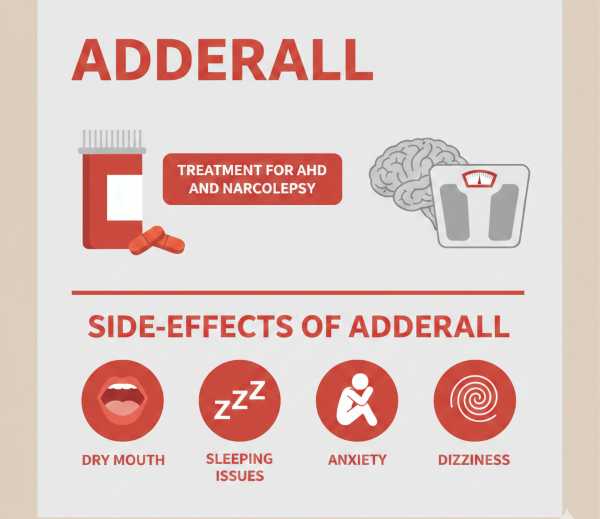
Although Adderall has been mainly approved by FDA as an ADHD and narcolepsy medication, it is used in some instances off-label to treat the excessive drowsiness and mental fog connected with some forms of depression.
The switch between usual care and use of stimulants is however, accompanied with vast risks such as dependence and the chances of increased anxiety. However, treatment-resistant depression is not just a prescription and it involves professional management whereby the case in question will have to be monitored regarding adverse reactions and whether the person is just faking sickness with a temporary fix of the chemical.
Expert Advice: Stimulants should only be used under strict professional oversight for treatment-resistant depression.
Adderall as an “Off-Label” Treatment
“Off-label” use refers to a healthcare provider prescribing a medication for a condition other than what it was specifically approved for by the FDA. Adderall is occasionally prescribed to patients with treatment-resistant depression who experience severe psychomotor retardation, a state where physical and mental activities slow down significantly.
The idea is that the stimulant can provide the necessary energy to engage in therapy and daily activities. However, it is important to understand that Adderall is not a traditional antidepressant. It does not address the underlying serotonin or emotional processing issues in the same way standard medications do.
Instead, it provides a temporary surge of energy and focus. Within a treatment environment, clinicians are wary of this because it can lead to a “crash” once the medication wears off, potentially deepening the depressive state.
The Mechanism of Action: Dopamine and Norepinephrine
Adderall works by increasing the availability of two key neurotransmitters: dopamine and norepinephrine. Dopamine is closely tied to the brain’s reward and motivation system, while norepinephrine influences alertness and physical energy.
For someone whose depression manifests as an inability to get out of bed or a total loss of interest in life (anhedonia), the immediate effects of Adderall can feel like a miracle.
- Immediate Alertness: The surge in norepinephrine can clear “brain fog” and provide the physical stamina to complete tasks.
- Mood Elevation: The dopamine release can provide a temporary sense of euphoria or well-being.
- Cognitive Focus: For those whose depression impacts their work or school performance, the stimulant helps maintain attention.
While these effects may seem positive, they are often short-lived. Without supervised support, an individual might feel the need to increase their dosage, leading to a dangerous cycle of stimulant misuse.
FACT: Adderall increases dopamine and norepinephrine levels within the human brain.
100% Confidential Support is Available 24/7
No matter what you’re going through, you’re not alone. Our dedicated team is here to provide a safe, judgment-free space where you can talk openly and honestly. Whether you need emotional support, resources, or just someone to listen.
We’re here for you—completely confidential and always respectful of your privacy. Call us today!
Comparing Adderall vs. Standard Antidepressants
Understanding the functional differences between these categories is essential for anyone considering recovery services.
Feature | Standard Antidepressants (SSRIs) | Stimulants (Adderall) |
Primary Target | Serotonin / Long-term balance | |
FDA Approval | Approved for Major Depression | Off-label for Depression |
Onset of Action | 4 to 6 weeks | 30 to 60 minutes |
Dependency Risk | Low (non-addictive) | High (Schedule II substance) |
Primary Effect | Emotional stabilization | Energy and focus “boost” |
If you have questions about structured care, contact Palm Coast Treatment Solutions
Contact Palm Coast Treatment Solutions
Battling with Drug and Alcohol Addition? Remember, you are not alone and we are here to help you!
The Dangers of Self-Medicating and Misuse
The risk of self-medicating with Adderall is exceptionally high. Because the medication provides an immediate “lift,” individuals may be tempted to use it without professional oversight to manage their low moods. This is particularly dangerous in the context of depression, as stimulants can mask symptoms rather than treating them. Within a professional recovery environment, self-medication is identified as a primary trigger for developing a secondary Substance Use Disorder.
- Increased Anxiety: Stimulants can trigger jitters, racing heart, and paranoia, which may worsen an existing anxiety disorder.
- Sleep Disruption: Insomnia is a common side effect, and lack of sleep is one of the quickest ways to worsen depressive symptoms.
- The “Crash”: As the medication leaves the system, the sudden drop in dopamine can lead to “rebound depression,” which is often more intense than the original state.
- Cardiac Strain: Professional oversight is needed to monitor blood pressure and heart rate, as stimulants place significant stress on the cardiovascular system.
Overcome Addiction with Palm Coast Treatment Solutions.
Book an appointment.
The Value of a Monitored Setting for Medication
For individuals exploring off-label treatments, a monitored setting offers an unparalleled layer of safety. In this treatment environment, every dose is administered under clinical supervision, and the individual’s response is tracked in real-time. This level of structured care ensures that if side effects like irritability or appetite loss occur, they are addressed immediately.
Supervised support also includes a focus on the “whole person.” Medication is never the sole focus; instead, it is integrated with behavioral therapies, nutritional guidance, and peer support. In a professional recovery environment, the goal is to provide the individual with the tools they need to manage their depression without becoming reliant on a chemical stimulant. The monitored setting acts as a safety net, allowing for the slow titration or adjustment of medications in a way that prioritizes long-term neurological health.
Potential Side Effects of Adderall Use in Depression
The following table outlines common reactions that require professional oversight within a recovery services framework.
System Affected | Common Side Effects | Potential Complication |
Central Nervous | Insomnia, jitters, headaches | Chronic sleep deprivation; worsening mood |
Cardiovascular | Increased heart rate, hypertension | Risk of palpitations or cardiac events |
Psychological | Irritability, anxiety, blunted affect | Stimulant-induced psychosis or paranoia |
Gastrointestinal | Appetite suppression, weight loss | Nutritional deficiencies and low energy |
Palm Coast Treatment Solutions offers information on recovery services for your needs.
Overcome Addiction with Palm Coast Treatment Solutions.
Book an appointment.
Navigating Professional Oversight for Wellness
If you or a loved one is considering Adderall for depression, it is vital to consult with professionals who specialize in complex mood disorders. Recovery services provide a comprehensive evaluation to determine if there are underlying issues, such as undiagnosed ADHD, that might make stimulant use appropriate. However, the decision to use such a high-risk medication should never be made lightly or without the support of a structured care team.
Professional oversight provides the clarity needed to distinguish between a temporary “fix” and a long-term solution. By choosing a monitored setting, you are investing in a future where your mental health is managed with the highest standard of clinical care. The path to wellness is built on stability, safety, and a dedicated team of experts who understand the delicate balance of the human mind.

Building Resilience Through Structured Care
Palm Coast Treatment Solutions provides a professional environment where individuals can focus on their recovery journey. Our services emphasize the importance of a monitored setting to ensure that every individual receives the appropriate level of supervised support tailored to their unique circumstances. By choosing a structured approach, you are prioritizing a foundation of safety and professional oversight that supports the transition toward a healthier and more stable lifestyle.
Medical Disclaimer: This blog is for informational purposes only and is not a substitute for professional medical advice.
Overcome Addiction with Palm Coast Treatment Solutions.
Book an appointment.
Key Takeaways
- Adderall is an off-label treatment for depression and carries significant risks.
- It increases dopamine and norepinephrine for a temporary energy and mood boost.
- Standard antidepressants are generally safer and more effective for long-term mood stability.
- The risk of dependency and a “rebound crash” makes professional oversight essential.
- A monitored setting ensures that medication use is safe, measured, and clinically justified.
- Supervised support integrates pharmacological care with holistic therapeutic strategies.
FAQs
Can Adderall permanently fix my depression?
No, Adderall is not a cure for depression. It provides a temporary stimulant effect that can mask symptoms. In a professional recovery environment, the focus is on addressing the root causes of mood disorders through therapy and sustainable recovery services, rather than relying on a short-term chemical “lift.”
Why do doctors hesitate to prescribe Adderall for mood?
Doctors are cautious because Adderall is a Schedule II substance with a high potential for abuse. In a treatment environment, the risk of worsening anxiety, insomnia, or cardiac issues often outweighs the benefits. Professional oversight is required to manage these risks and explore safer, more sustainable alternatives for wellness.
What happens if I stop taking Adderall suddenly?
Stopping suddenly can lead to a “stimulant crash,” characterized by extreme fatigue, irritability, and deep depression. Within a monitored setting, clinicians can help you taper off the medication safely. Supervised support ensures you have the emotional and physical resources to manage withdrawal symptoms without relapsing.
Is it safe to use Adderall if I also have anxiety?
Stimulants often exacerbate anxiety, leading to panic attacks or increased restlessness. If you have co-occurring disorders, a structured care environment is vital for finding a balance that doesn’t trigger one condition while trying to treat another. Professional oversight ensures your entire mental health profile is considered.
How does a monitored setting help with medication management?
A monitored setting provides 24/7 observation, ensuring your dosage is correct and identifying any negative reactions immediately. This professional oversight is crucial when using high-risk medications like Adderall off-label. A treatment environment prioritizes your safety, providing a stable foundation for the complex journey of overcoming treatment-resistant depression.