In This Blog
- What alcohol use disorder means
- What alcoholism refers to historically
- Key differences between the two terms
- Symptoms and severity levels explained
- How diagnosis and terminology have evolved
- Treatment approaches and structured support
- Importance of long-term recovery strategies
The interrelationship between alcohol and depression is complicated, yet the two are closely consistent. Others take alcohol to relieve stress or in low mood, whereas others are subjected to deteriorating emotional symptoms due to alcohol. To determine the cause of depression by alcohol, it is important to look at both the biological and behavioral factors.
Alcohol uses the central nervous system, and it has an impact on the way the brain controls moods, decision-making, and the way the brain controls its emotional reaction. Although the short term use can produce a temporary relaxation effect, the continued or excessive use over a long period of time can cause impairment of normal functioning. The disturbance can also help in the emergence of depression related symptoms.
One should note that alcohol does not have a similar effect on all people. The frequency of use, the general health, the environment, and the prevailing mental health conditions are the factors. The paper is an evidence-based account of the relationships between alcohol and depression as well as the possible interventions that can be taken to help yield improved outcomes.
Expert Advice: Understand current diagnostic terms to better navigate treatment options and communicate effectively with providers.
What is Alcohol Use Disorder?
Alcohol use disorder (AUD) is a defined condition used in current diagnostic frameworks. It refers to a pattern of alcohol use that leads to significant impairment or distress.
AUD is assessed based on a set of criteria that evaluate behavior, control, and impact on daily life. The condition is categorized by severity, which helps guide treatment planning.
Common Signs of Alcohol Use Disorder
- Difficulty controlling alcohol intake
- Continued use despite negative consequences
- Strong urges or cravings
- Reduced ability to meet responsibilities
- Increased tolerance over time
The number of criteria met determines whether the condition is classified as mild, moderate, or severe.
100% Confidential Support is Available 24/7
No matter what you’re going through, you’re not alone. Our dedicated team is here to provide a safe, judgment-free space where you can talk openly and honestly. Whether you need emotional support, resources, or just someone to listen.
We’re here for you—completely confidential and always respectful of your privacy. Call us today!
What is Alcoholism?
“Alcoholism” is an older, non-specific term that has been widely used in everyday language. It generally refers to chronic or severe alcohol dependence, often associated with loss of control and long-term use.
Unlike AUD, alcoholism does not have a standardized definition in current diagnostic systems. It may be used informally to describe patterns of heavy or dependent drinking, but it lacks precise criteria.
How Alcoholism is Commonly Understood
- Long-term excessive alcohol use
- Physical dependence and withdrawal symptoms
- Significant impact on daily functioning
- Difficulty stopping despite consequences
Because the term is not formally defined, its meaning can vary depending on context.
FACT: Alcohol use disorder is the clinically recognized term used in modern diagnostic guidelines globally today.
Contact Palm Coast Treatment Solutions
Battling with Drug and Alcohol Addition? Remember, you are not alone and we are here to help you!
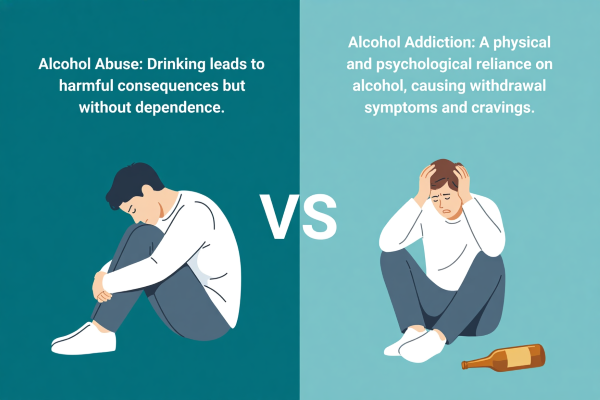
What is the Difference Between Alcohol Use Disorder and Alcoholism?
Although both terms describe problematic alcohol use, their differences are important for understanding diagnosis and treatment.
Main Distinctions
- Definition: AUD is a formally defined condition; alcoholism is informal
- Diagnosis: AUD uses structured criteria; alcoholism does not
- Severity Levels: AUD includes mild, moderate, and severe categories
- Usage: AUD is used in professional settings; alcoholism is more general
These distinctions help create a clearer and more consistent framework for treatment and communication.
Overcome Addiction with Palm Coast Treatment Solutions.
Book an appointment.
Alcohol Use Disorder Vs. Alcoholism
Aspect | Alcohol Use Disorder (AUD) | Alcoholism |
Definition | Standardized condition | Informal, non-specific term |
Diagnostic criteria | Clearly defined | Not formally defined |
Severity levels | Mild, moderate, severe | Not categorized |
Usage context | Professional and diagnostic | General or historical use |
How Alcohol Use Disorder is Classified
One of the key advantages of the AUD framework is the ability to classify severity. This allows for more tailored treatment approaches.
Severity Classification
- Mild: 2–3 criteria met
- Moderate: 4–5 criteria met
- Severe: 6 or more criteria met
Severity levels help determine the appropriate level of care and support required.
Not sure where your drinking falls on the spectrum? Call Palm Coast Treatment Solutions and talk to someone who can help you figure it out.
Overcome Addiction with Palm Coast Treatment Solutions.
Book an appointment.
Why Do Doctors No Longer Use the Term Alcoholism?
The shift from “alcoholism” to “alcohol use disorder” reflects changes in how alcohol-related conditions are understood.
Reasons For The Change
- Need for standardized diagnostic criteria
- Improved clarity in treatment planning
- Reduction of stigma associated with labels
- Recognition of varying levels of severity
This change supports a more structured and evidence-informed approach.
What are the Symptoms of Alcohol Use Disorder?
Both AUD and alcoholism involve patterns of behavior that impact daily life. However, AUD provides a clearer framework for identifying symptoms.
Common Symptoms
- Increased tolerance to alcohol
- Withdrawal symptoms when not drinking
- Loss of control over consumption
- Continued use despite consequences
- Neglect of responsibilities
These patterns can vary in intensity depending on severity.
Overcome Addiction with Palm Coast Treatment Solutions.
Book an appointment.
How Symptoms Change Based on the Severity of Alcohol Use Disorder
Severity Level | Typical Characteristics | Impact Level |
Mild | Occasional control issues | Limited disruption |
Moderate | Frequent difficulty managing use | Noticeable impact |
Severe | Persistent inability to control use | Significant disruption |
What Treatment Options are Available for Alcohol Use Disorder?
Treatment for alcohol use disorder focuses on structured support and long-term management.
Common Treatment Options
- Behavioral therapies
- Counseling sessions
- Group-based support programs
- Medication-assisted approaches when appropriate
Treatment plans are typically adjusted based on severity and individual needs.
Why Consistent Support is Important in Alcohol Use Disorder Recovery
Professional programs provide consistency and accountability, which are important for managing alcohol use challenges.
Key Components
- Scheduled therapy sessions
- Skill-building strategies
- Progress monitoring
- Supportive environments
These elements help individuals develop and maintain healthier patterns over time.
Why Catching Alcohol Use Disorder Early Makes a Difference
Identifying early recognition for alcohol use early can improve outcomes. Mild forms of AUD may progress if left unaddressed.
Benefits Of Early Action
- Easier management of symptoms
- Reduced risk of progression
- Improved ability to maintain routines
- Better engagement with support systems
Early intervention supports more effective long-term strategies.
Taking the first step is the hardest part. Call Palm Coast Treatment Solutions, and let’s find the right program for you together.

What People Get Wrong About Alcohol Use Disorder and Alcoholism
Misunderstandings about these terms can create confusion.
Clarifications
- AUD and alcoholism are not identical terms
- AUD includes a range of severity levels
- Not all individuals with AUD have severe symptoms
- Terminology does not determine outcomes
An accurate understanding helps individuals make informed decisions.
How to Maintain Long-Term Recovery From Alcohol Use Disorder
Long term recovery involves managing alcohol use, challenges ongoing effort and structured support.
Long-Term Strategies
- Maintaining consistent routines
- Continuing therapy or support programs
- Monitoring behavioral patterns
- Building a supportive environment
Recovery is a process that evolves over time and requires consistent engagement.
How to Choose the Right Treatment Program for Alcohol Use Disorder
Selecting an appropriate program depends on individual needs and severity level.
Key Considerations
- Level of care required
- Program structure and schedule
- Availability of aftercare services
- Alignment with personal goals
Evaluating these factors helps ensure appropriate support.
Palm Coast Treatment Solutions provides Professional programs designed to support individuals managing alcohol use disorder through organized care, consistent routines, and coordinated treatment approaches.
Medical Disclaimer: This article is for informational purposes only and is not a substitute for professional medical advice.
Key Takeaways
- Alcohol use disorder is a defined diagnostic condition
- Alcoholism is an informal, non-specific term
- AUD includes severity levels for better classification
- Structured support plays a key role in recovery
- Early recognition can improve long-term outcomes
- Treatment approaches vary based on individual needs
FAQs
1. What is the main difference between AUD and alcoholism?
Alcohol use disorder is a formally defined condition with specific diagnostic criteria, while alcoholism is an informal term without standardized meaning. AUD provides a structured framework for diagnosis and treatment, whereas alcoholism is often used generally to describe long-term or severe patterns of alcohol use.
2. Is alcoholism still used in professional diagnosis today?
Alcoholism is not commonly used in formal diagnosis today. Most professionals use the term alcohol use disorder because it offers clear criteria and severity levels. This approach helps improve communication, treatment planning, and consistency in identifying and managing alcohol-related conditions.
3. Can alcohol use disorder be mild or moderate?
Yes, alcohol use disorder can be classified as mild, moderate, or severe based on the number of criteria met. This classification allows for more personalized treatment approaches, ensuring that individuals receive the appropriate level of support based on their specific needs and circumstances.
4. Are treatment options different for AUD and alcoholism?
Treatment approaches are generally similar, focusing on behavioral therapies, counseling, and structured support. However, using the AUD framework allows for more tailored treatment based on severity. This ensures that individuals receive care aligned with their level of need rather than a one-size-fits-all approach.
5. Why was the term “alcoholism” replaced with “AUD”?
The term “alcohol use disorder” was adopted to provide a more precise and structured definition. It reduces ambiguity, improves diagnostic accuracy, and supports better treatment planning. The change also helps reduce stigma by focusing on measurable criteria rather than broad or undefined labels.