In This Blog
- Understanding Marijuana Withdrawal
- Common Physical Symptoms
- Emotional and Psychological Effects
- The Timeline of Withdrawal
- Factors Influencing Symptom Severity
- Strategies for Managing Discomfort
- The Role of Structured Support
- When to Seek Professional Guidance
The use of marijuana also has a considerable influence on the endocannabinoid system of the brain that helps to maintain the key functions of the human organism, such as mood, sleep, or appetite. When the substance user who ingests drugs consistently or in large amounts decides to quit, the body has to go through a period of recalibration in order to operate without the external cannabinoids. The withdrawal is a condition that is usually triggered by this transition into a series of physical and psychological reactions.
Learning what to expect is one of the important steps towards a successful recovery process.The experience is demystified as the knowledge of the processes involved biologically makes the transition of any substance much less frightening. It is through early recognition of these signs that people can be more prepared and find the relevant resources to be able to cope with the process.
Expert Advice: Professional guidance helps navigate the transition safely while addressing specific individual wellness needs.
Physical Symptoms of Marijuana Withdrawal
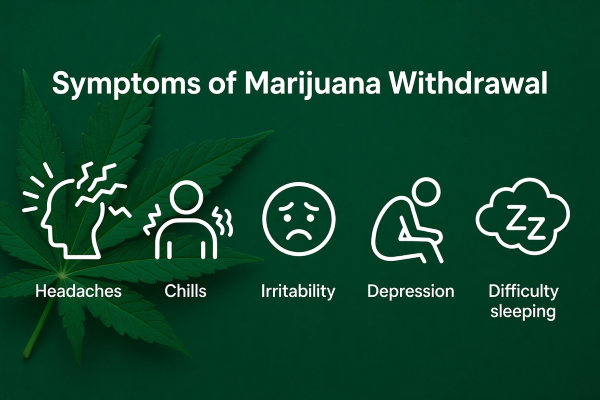
A common characteristic of the withdrawal process is physical discomfort as the body responds to the withdrawal of the substance. During the first days after they quit their use, many will report changes in their digestive habits or temperature control. These physical symptoms tend to be the initial ones, which the brain is trying to reach a different balance.
- Sleep Disturbances: Insomnia or vivid, unsettling dreams often occur as the brain adjusts its natural sleep architecture.
- Appetite Changes: A notable decrease in hunger or general nausea is common during the first week of cessation.
- Physical Tension: Some people experience mild tremors or muscle aches as their nervous system recalibrates.
- Temperature Fluctuations: Episodes of sweating or chills may occur as the body’s internal thermostat adjusts.
FACT: Research indicates that most marijuana withdrawal symptoms peak within one week.
Emotional and Psychological Effects of Marijuana Withdrawal
The psychological impact of stopping marijuana can be more taxing than the physical side effects. Since the substance often influences dopamine and norepinephrine levels in the brain, the central nervous system may struggle to regulate mood and impulse control initially. This period of emotional instability is a frequent reason why individuals find it difficult to maintain cessation without assistance.
Irritability and restlessness are among the most frequently cited emotional hurdles during the early stages of withdrawal. Individuals may find themselves becoming easily frustrated by minor inconveniences or feeling a general sense of unease that is difficult to pin down.
Anxiety levels can also spike, making it difficult to focus on daily tasks or engage in social interactions. In some cases, a period of low mood or lack of motivation may follow the initial irritability, reflecting the brain’s ongoing efforts to restore natural neurochemical balance.
How Long Does Marijuana Withdrawal Last?
The duration and intensity of symptoms vary, but a general progression is often observed in those transitioning away from use. Most people begin to feel the first signs within 24 to 72 hours after their last use, with the most acute symptoms appearing shortly thereafter.
Phase | Timeframe | Typical Experience |
Initial Onset | 1–3 Days | Irritability, sleep difficulties, and decreased appetite begin to surface. |
Peak Intensity | 4–7 Days | Physical and emotional symptoms reach their highest level of discomfort. |
Tapering Off | 1–2 Weeks | Most acute symptoms subside, though some sleep issues may linger. |
Stabilization | 3+ Weeks | The body returns to a baseline state of natural equilibrium. |
Understanding this timeline allows individuals to anticipate the most difficult periods and plan accordingly. Having a clear map of the process can make the experience feel more manageable and less like an indefinite state of discomfort.
Struggling with marijuana withdrawal and not sure what to do next? Call Palm Coast Treatment Solutions, let’s help you get through this the right way.
How Professional Support Helps During Marijuana Withdrawal
Professional environments provide a layer of accountability and safety that is often difficult to achieve alone. These services offer a focused setting where the primary goal is stabilizing the individual’s physical and mental well-being. By removing the person from their usual triggers, these programs create a space where the focus remains entirely on the recovery process.
Programs often include various forms of talk therapy and group support sessions. This holistic approach ensures that the underlying reasons for substance use are addressed alongside the immediate physical symptoms of withdrawal.
What’s the Difference Between Mild vs Severe Marijuana Withdrawal
The following table outlines the differences between mild and more significant withdrawal experiences to help individuals identify when they may need additional assistance.
Feature | Mild Experience | Significant Experience |
Mood | Occasional annoyance | Persistent anger or severe anxiety |
Sleep | Slightly delayed onset | Total insomnia for multiple nights |
Physical | Minor sweating | Notable tremors or chills |
Duration | Lasts about 5 days | Symptoms persist beyond two weeks |
Recognizing where one falls on this spectrum can help in determining the appropriate level of care required for a safe transition.
If symptoms become overwhelming or lead to a high risk of returning to use, seeking help is a proactive and responsible choice. Professionals can provide a stable environment to manage the most difficult phases of the transition, offering specialized care that addresses both the body and the mind.
Cessation is a journey that often requires more than just willpower. Accessing a network of support ensures that the transition is handled with the necessary expertise to promote long-term success.

Palm Coast Treatment Solutions provides various programs designed to support individuals through every stage of the recovery process. Their team focuses on evidence-based strategies and compassionate care to help people reclaim their health and achieve lasting stability without the use of marijuana. By offering a range of professional services, they ensure that each person receives the specific level of attention required for their unique situation, fostering an environment where wellness is the primary objective.
Medical Disclaimer: This article is for informational purposes only and is not a substitute for professional medical advice.
Key Takeaways
- Withdrawal symptoms are a natural part of the body recalibrating after use stops.
- Physical signs like insomnia and appetite loss typically peak within the first week.
- Psychological symptoms, including irritability and anxiety, are common but manageable.
- Timeline and severity depend on individual usage history, metabolism, and overall health.
- Structured programs offer a safer and more consistent path toward long-term wellness.
FAQs
How long does marijuana withdrawal usually last?
Most acute symptoms of withdrawal subside within one to two weeks after the last use. However, some psychological effects, such as cravings or sleep disturbances,, may persist for several weeks longer as the brain continues to adjust. Professional support can help manage these longer-term transitions effectively for most individuals.
Are there physical signs of marijuana withdrawal?
Yes, common physical signs include headaches, sweating, chills, and stomach discomfort. Many people also experience a significant decrease in appetite and difficulty falling asleep. These symptoms are generally not life-threatening but can be uncomfortable enough to interfere with daily life and activities during the first week of cessation.
Can withdrawal cause significant anxiety or depression?
It is very common to experience increased anxiety, irritability, or low mood when stopping use. The brain is learning to regulate emotions without the substance, which takes time. If these feelings become overwhelming or unmanageable, seeking a structured support environment is recommended to ensure safety and mental well-being.
Does everyone experience withdrawal from marijuana?
Not everyone will experience withdrawal, but those who use the substance frequently or in high doses are more likely to have symptoms. The severity is highly individual and depends on factors like metabolism, duration of use, and potency. Even mild symptoms can be easier to manage with a plan..
How can I manage withdrawal symptoms safely?
Focusing on hydration, healthy nutrition, and regular sleep patterns can help the body recover. Avoiding high-stress situations and engaging in gentle physical activity are also beneficial. For many, the most effective way to manage withdrawal is through a structured program that provides consistent oversight and professional guidance throughout.