In This Blog
- What insurance coverage for a stay generally means
- Types of treatment stays insurance may include
- How the length of stay affects coverage
- In-network vs. out-of-network considerations
- Factors insurance providers typically review
- Common coverage limitations to understand
- Questions to clarify before relying on insurance
People seeking to enroll in organized treatment programs are anxious about whether the expense of their residence will be borne by insurance. In most situations, coverage will be based on the defined benefits, covered conditions, setting of treatment, as well as duration of the insurance plan. Insurance advantages are not pegged on personal need or desire, but rather on the conditions of the policy.
The understanding of the working of coverage will help individuals to be wary of assumptions and make informed decisions. Coverage is in most instances on a basis of enrollment into a structured programme with delineated services, as opposed to staying on one’s own. The variety of plans makes the dynamics of covering structures a good background to learn the specifics of a certain policy prior to looking at the details.
What Insurance Coverage for a Stay Typically Means
Insurance cover on a stay is normally a structured program of people in place with a schedule of services. The services supplied during the stay are associated with coverage and not housing.
Insurance plans commonly evaluate stays based on:
- Defined daily schedules
- Program structure and consistency
- Supervision or oversight level
- Alignment with plan-defined service categories
Coverage terminology differs across policies, making it important to understand how each plan defines a covered stay.
Types of Treatment Stays Insurance May Include
Insurance plans may recognize different types of structured stays depending on policy language.
Commonly referenced stay formats include:
- Residential programs with on-site living and daily schedules
- Inpatient-style programs with higher structure and monitoring
- Short-term structured stays linked to specific service plans
Coverage depends on how each stay type is classified within the policy, not simply the program name.
Palm Coast Treatment Solutions can help explain insurance coverage details
How Length of Stay Can Influence Coverage
The duration of a stay can affect how insurance applies coverage. Many plans outline specific timeframes or review periods for structured programs.
Length-related factors may include:
- Maximum covered duration
- Scheduled coverage reviews
- Ongoing eligibility requirements
Coverage is often evaluated according to plan guidelines rather than a fixed timeline.
In-Network vs. Out-of-Network Programs
Provider network status can significantly influence insurance coverage for a stay.
General differences may include:
- Broader coverage for in-network programs
- Higher cost-sharing for out-of-network options
- Additional approval requirements
Network participation is defined by the insurance plan and may change over time.
Factors Insurance Plans Commonly Review
Insurance coverage decisions are guided by predefined plan criteria.
Factors often reviewed include:
- Program classification under the plan
- Documentation standards
- Duration guidelines
- Network participation
These factors are part of standard insurance processes rather than individualized determinations.
How Insurance Plans Can Differ
Even plans from the same insurer may vary in how they address treatment stays.
Coverage Element | How Plans May Differ |
Covered stay types | Residential or inpatient-style |
Duration rules | Fixed limits or review-based |
Network scope | In-network only or expanded |
Cost sharing | Deductibles and coinsurance |
Understanding plan differences helps set realistic expectations.
Contact Palm Coast Treatment Solutions to Discuss Coverage Options
How Policy Type Can Affect Coverage
Insurance coverage for a stay can vary based on the type of policy held. Employer-sponsored plans, individual marketplace plans, and private policies may define covered services differently.
Some policies emphasize structured residential settings, while others prioritize non-residential formats. Differences reflect plan design, not individual circumstances, making policy type an important consideration when reviewing benefits.
The Role of Benefit Categories in Coverage
Insurance plans organize services into benefit categories. Coverage for a stay depends on whether the program fits within one of these defined categories.
If a stay does not align clearly with a listed category, coverage may be limited or unavailable. Understanding how a plan groups services helps clarify how a stay may be evaluated.
How Documentation Can Influence Coverage Decisions
Insurance plans often rely on standardized documentation to determine coverage eligibility. This documentation outlines program structure, schedules, and service delivery.
Clear documentation supports consistency in coverage decisions. While individuals do not control documentation standards, understanding their role helps explain why coverage outcomes may differ between programs.
Why Program Structure Matters to Insurance
Insurance plans typically favor programs with defined schedules and organized service delivery. Structure helps insurers classify the program within existing coverage categories.
Programs without a clearly defined structure may be harder to evaluate under policy guidelines. Structure does not determine effectiveness, but it influences how coverage is assessed.
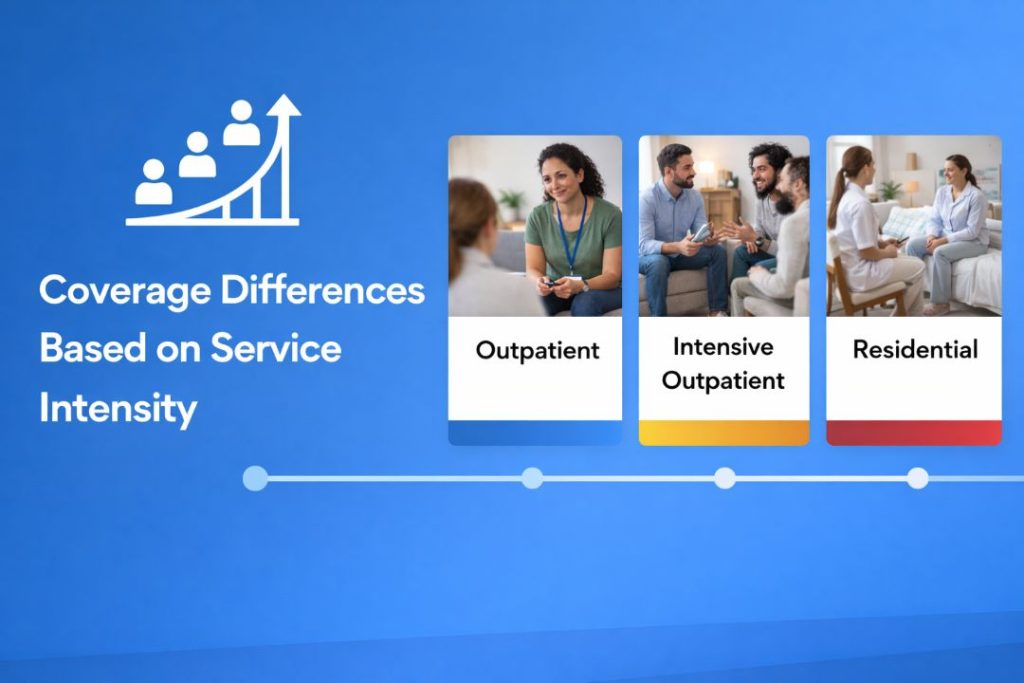
Coverage Differences Based on Service Intensity
Insurance policies may consider the intensity of services when determining coverage for a stay. Programs offering higher levels of daily structure may be categorized differently from those with lighter schedules.
Intensity classifications vary by plan and affect how coverage is applied, reviewed, or limited.
Understanding Cost Sharing for Covered Stays
Even when insurance applies to a stay, cost-sharing often remains.
Common cost-sharing elements include:
- Deductibles
- Coinsurance percentages
- Out-of-pocket maximums
These elements are outlined in policy documents and apply across covered services.
How Coverage Reviews Are Typically Conducted
Some insurance plans conduct periodic reviews during a stay. These reviews assess whether the stay continues to align with plan criteria.
Reviews follow internal guidelines rather than individual progress perceptions. Understanding this process helps reduce confusion about coverage continuity.
Why Coverage Outcomes Can Change Over Time
Coverage decisions may change if plan terms, provider participation, or policy definitions change. Insurance coverage is not static and may evolve over the course of a plan year.
Staying informed about policy updates helps individuals understand how coverage may be affected.
The Importance of Reading the Summary of Benefits
The Summary of Benefits document outlines what a plan covers at a high level. It provides insight into covered service categories, cost sharing, and limitations.
Reviewing this document offers a clearer starting point before exploring detailed policy language.
How Insurance Coverage Fits Into Overall Planning
Insurance coverage is one component of treatment planning. Understanding how coverage applies helps individuals consider timing, duration, and financial expectations more realistically.
Coverage knowledge supports informed decisions without assumptions.
FACT: Insurance coverage depends on plan definitions, not program labels alone.
Common Coverage Limitations
Insurance coverage for stays often includes defined limitations outlined in policy documents.
Common limitations may include:
- Coverage caps on duration
- Required periodic reviews
- Restricted provider networks
- Partial financial responsibility
These limitations apply broadly across covered services.
Why Policy Language Matters
Insurance policies use specific language to describe coverage terms. Small wording differences can affect how a stay is classified.
Reviewing policy language helps clarify:
- How stays are defined
- Which services are included
- What limitations apply
A clear understanding reduces confusion during decision-making.
What to Clarify Before Relying on Insurance
Before assuming insurance will apply to a stay, reviewing plan details is essential.
Helpful questions include:
- How does the plan define a covered stay?
- Is the program within the provider network?
- Are there duration or review requirements?
- What cost-sharing applies?
Clarification supports informed planning
Expert Advice: Careful policy review helps avoid misunderstandings about coverage for stays.
Insurance policies can feel complex, especially when coverage language is unclear. Speaking with experienced professionals can help individuals understand how benefits may apply, what questions to ask, and how to review plan details confidently. Clear guidance supports informed choices without assumptions.
Contact Palm Coast Treatment Solutions to Discuss Coverage Options
Medical Disclaimer: This blog is for informational purposes only and is not a substitute for professional medical advice.
Key Takeaways
- Insurance coverage for stays depends on plan definitions
- Coverage applies to structured services, not lodging alone
- Length of stay and network status may influence coverage
- Plans vary in limitations and cost-sharing
- Reviewing policy language supports informed decisions
FAQs
Does insurance always cover a treatment stay?
Insurance does not automatically cover all treatment stays. Coverage depends on how a plan defines covered services, settings, and duration. Reviewing policy documents helps clarify whether a structured stay aligns with available benefits.
Are residential and inpatient stays treated the same by insurance?
Insurance plans may distinguish between residential and inpatient-style stays. Coverage depends on how each setting is classified within the policy. Differences in structure and oversight can affect how coverage applies.
Can coverage change during a stay?
Some insurance plans review coverage periodically during a stay. These reviews are based on plan criteria rather than individual preference. Understanding review processes helps set realistic expectations.
Does network status affect coverage amounts?
Yes. In-network programs often have different coverage terms than out-of-network options. Network participation can influence cost sharing, approval requirements, and overall coverage scope.
Why is it important to verify coverage details in advance?
Verifying coverage details helps avoid assumptions and unexpected costs. Policy language explains how stays are classified, what limitations exist, and how benefits are applied.