Key Takeaways
Opioid Use Disorder ICD 10 is a coding system used to assist in the assessment and recording.
- It also helps any practitioner in the health sector to assess the level of severity, identify the treatment and the cross-system communication.
- The symptoms may include slight dependence to serious addiction, accompanied by physical and psychological impacts.
- It facilitates the best results and improves the long-term recovery.
- Healing involves the use of medication and therapy, which is necessary.
Opioid Use Disorder ICD 10 is vital to any person in a condition of working out the psychiatric diagnosis, medication, or insurance coverage of any opioid-related disorder. As a patient, family member or medical worker, one can know how this classification works to understand the condition better and locate the required care.
We would not like to call such statements clear information about a vaccine for recovery but we believe it is one of the most useful steps that should be performed at Palm Coast Treatment Solutions.
What is Opioid Use Disorder?
There is an illness called Opioid Use Disorder (OUD), and it is a condition in which a patient cannot stop taking opioids despite the fact that a person somehow uses it with some harmful outcomes. Such drugs involve prescription painkillers such as oxycodone and dangerous drugs such as heroin.
What is Opioid Use Disorder ICD 10
Opioid Use Disorder ICD-10 is a subdivision of the International Classification of Diseases, 10th Revision. It offers the diagnostic codes that are applied by health facilities to diagnose and record the presence of opioid-related disorders.
The codes play vital roles in:
- Determining the severity of the disorder (mild, moderate, and severe).
- Guiding treatment planning
- Sustaining medical records and insurance claims.
- Equalizing the communication among healthcare systems.
As an example, the indication that the disorder is active or in remission or has complications such as withdrawal or intoxication can be provided with the help of different codes.
Opioid Use Disorder ICD-10 Criteria
The Opioid Use Disorder ICD-10 is used to diagnose OUD, assuming that the assessment of a range of parameters, including each based on behavior, physical and psychological patterns, ought to be conducted.
- Such criteria normally encompass the following:
- Increasing the dose of opioids or the duration taken excessively is a problem.
- Possible desire to, or not to decrease.
- Wasting much time in the process of taking or consuming opioids.
- Wish or mighty yearning to use.
- Failure to execute any important physical functions due to usage.
- Use despite social or interpersonal problems.
- Now is giving up precious things.
- The use of opioids is hazardous.
- Violation of tolerance or withdrawal.
The availability of numerous criteria will help to determine the level of the disorder and result in the diagnosis of the Opioid Use Disorder.
Addiction to Opioids: ICD-10 Signs and Symptoms
The early detection of the Opioid Use Disorder ICD 10 Signs can significantly affect the outcomes of the recovery. The symptoms usually mutate slowly and cannot be noticed as quickly as possible.
Common indicators include:
- Guidelines: This happens when the tolerance to opioids increases.
- Dependency symptoms on withdrawal.
- Depression or temper outbursts.
- Lack of execution of their role as a person or as a professional.
- Between doctors shopping or making repeat prescriptions.
- Social withdrawal
The indicators are likely to be mixed with the typical signs of Opioid Use Disorder ICD that can have a negative impact on both mental and physical health.
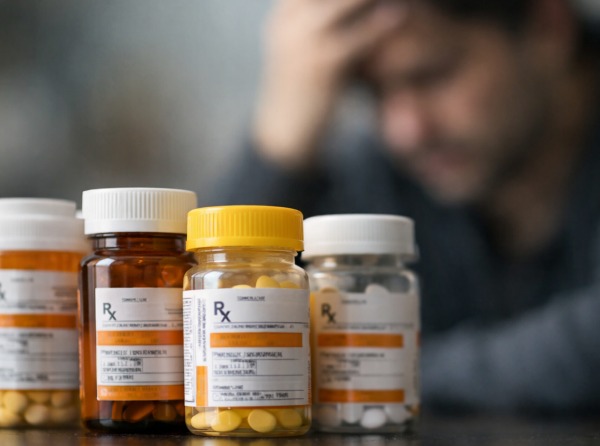
Opioid Use Disorder Signs and Symptoms.
The impacts of OUD can vary significantly throughout the board regarding the degree of effects, the time they occur and the personal provisions.
Others, which are physical, may include:
- Drowsiness or sedation
- Constricted pupils
- Nausea or vomiting
- Slowed breathing
- The psychological symptoms prevalent are:
- Anxiety or depression
- Intense cravings
- Difficulty concentrating
- Emotional instability
There can be behavioral symptoms, including secrecy, change of routine or fiscal problems related to the drug use.
Opioid Use Disorder Signs
Symptoms are internal processes, though they are usually perceived externally as well as the effects that other persons can identify.
Common signs include:
- Holiness or looks altered abruptly.
- Poor quality hygiene or loss of weight.
- Occurrence of frequent flu-like symptoms (including possible withdrawal).
- Unexplained financial issues
- Friendlessness and familylessness.
These signs will be identified early enough and timely intervention and support will be administered.
Opioid Use Disorder Side Effects
OUD of untreated can cause serious side effects that may be life-threatening in the long run.
These may include:
- Chronic respiratory problems
- Increased exposure to overdose.
- Damage on the liver (particularly with combination drugs)
- Transmitted infections as a result of needles.
- Cognitive impairment
Outside the state of physical well-being, OUD can have an effect on relationships, employment, and general quality of life. That is why diagnosis according to Opioid Use Disorder ICD 10 should be performed as soon as possible.
Medication for Opioid Use Disorder.
Medication-assisted treatment (MAT) is one of the most appropriate solutions to the management of OUD. It consists of drugs and counseling and behavioral therapies.
Common medications include:
Buprenorphine – Minimizes all cravings and withdrawal effects.
Methadone – Assists in stabilizing the progressively addicted people.
Naltrexone – Prevents opioids.
These medications are administered and taken properly to ensure a recovery in the least harm. Learn more about the five principles for using medication to manage symptoms.
Opioid Use Disorder Treatment in Palm Coast
Treatment of OUD in Palm Coast Treatment Solutions is responsive, non-judgmental and evidence-based. Clinicians draw individualized care plans depending on the knowledge gained through Opioid Use Disorder ICD 10, which covers physical and emotional requirements.
The possible options of treatment are:
- Medical detoxification
- Single-person therapy and group therapy.
- Medication-assisted treatment
- Mental health disorders care in transitions.
- Recidivism and post-discharge strategies.
Call today to learn more about the treatment of Opioid Use Disorder.

Ready to Take the First Step?
You do not always need to struggle single-handedly when faced with an opioid issue, either of your own or that of your acquaintance. Palm Coast Treatment Solutions offers the space that enables a sustainable recovery process which is sustainable.
You are ready to start your healing process and decide on everything, learn more about treatment, and take a step toward a happier and healthier life. Contact us to verify your insurance and get started.
Take the Next Step Toward Recovery
The familiarity with the diagnosis code is not enough to know the Opioid Use Disorder ICD 10; it is the realization that such an affliction that is controlling the true lives is rather positive that will blind it to the right way out. Recovery can be long term as well as be made through proper support.
We are Palm Coast Treatment Solutions, and we are here to help you through the entire process. Contact them and see what you can, and what you have to do to better your future. Explore our programs to find the right fit for your recovery journey.
Disclaimer
This content is for informational and educational purposes only and should not be considered medical advice, diagnosis, or treatment. Always consult a qualified healthcare provider or licensed mental health professional for personalized guidance regarding opioid use disorder or any medical condition.
FAQ: Opioid Use Disorder
What is an opioid use disorder?
Opioid use disorder is a chronic medical condition where a person cannot control opioid use despite negative consequences. It affects brain function, behavior, and overall health, often requiring professional treatment and long-term support for recovery.
What are the four most common signs of opioid abuse?
The most common signs include increased tolerance, withdrawal symptoms, neglecting responsibilities, and continued use despite harm. Behavioral changes, secrecy, and social withdrawal are also frequently observed.
What is an opioid drug?
An opioid drug is a substance that interacts with opioid receptors in the brain to relieve pain. These include prescription medications like morphine and oxycodone, as well as illegal drugs like heroin.
What percentage of opioid users recover?
Recovery rates vary, but studies suggest that many individuals achieve long-term recovery with proper treatment. Success often depends on access to care, support systems, and ongoing management of the condition through aftercare programs.
What is the #1 addiction in America?
Opioid addiction is considered one of the most significant public health crises in America, largely due to the widespread use of prescription painkillers and the rise of synthetic opioids.
What is the life expectancy of an opioid user?
Life expectancy can be significantly reduced due to overdose risk, infections, and chronic health conditions. However, early treatment and sustained recovery can greatly improve longevity and quality of life. Learn how long drug rehab takes to start your journey.
What are the top 3 worst addictions?
While severity varies by individual, opioid addiction, alcohol dependence, and methamphetamine use are often considered among the most challenging due to their physical, psychological, and social impacts.
What are the early signs of OUD?
Early signs include increased use, cravings, mood changes, and difficulty stopping despite intentions. Recognizing these early warning signs allows for timely intervention and better recovery outcomes. Consider reaching out to a detox center near you for help.