In This Blog:
- Defining the core structure of flexible recovery programs
- The primary benefits of maintaining home and work stability
- Core therapeutic components used in behavioral change
- Identifying the ideal candidates for non-residential support
- The role of peer networks in long-term wellness
- Strategies for transitioning to independent living
The concept of outpatient drug rehab mechanics is an important stage that should be undertaken by those who want to handle alcohol addiction without losing their daily duties. The care model offers a systematic recovery approach that does not require an institutional stay, so any participant can remain at home and continue with daily life at work or school.
The path to health is extremely individual and to some people, the possibility to use recovery skills in the present moment and under their own conditions is a great opportunity. The outpatient drug rehabilitation aims at helping them develop a strong coping strategy so they can overcome the triggers and stressors of daily living.
Expert Advice: Flexible recovery schedules significantly improve long-term engagement by allowing individuals to maintain essential social roles.
How Does Outpatient Alcohol Rehab Work?
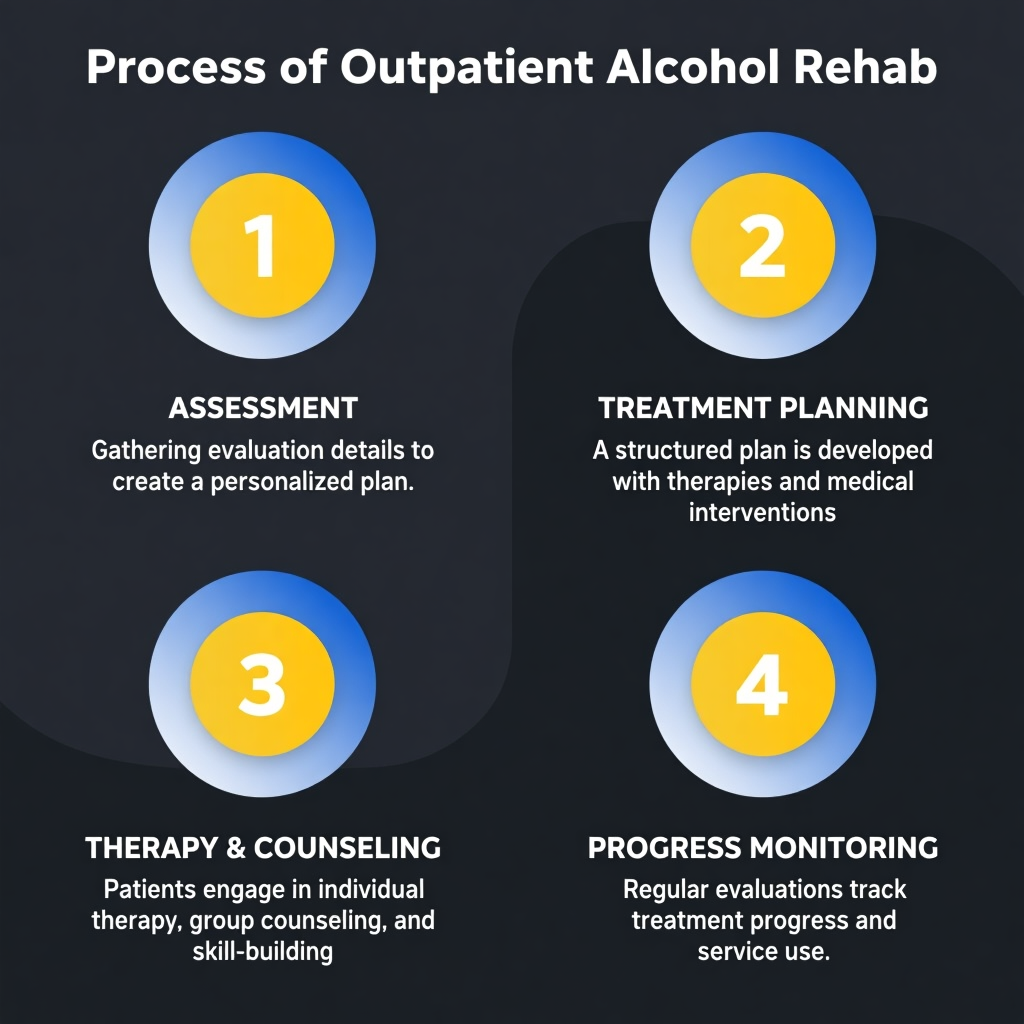
The main feature of an outpatient drug rehab is its flexibility in accordance with life. These services, unlike those found with residential programs, are accomplished within a setting that resembles a clinic or office within a scheduled time. This enables the individual to still be part of their family as well as community support systems and still get professional assistance.
- Scheduled Sessions: Programs typically meet several times a week for a few hours at a time.
- Real-World Application: Participants can immediately practice new coping skills in their home environment.
- Professional Oversight: Regular check-ins ensure that progress is monitored and care plans are adjusted as needed.
This model is particularly effective for those who have a stable living situation and a strong desire to maintain their professional or academic commitments. It bridges the gap between intensive intervention and independent living, providing a gradual path toward sustained wellness.
Is Outpatient Alcohol Rehab Right for You?
Not everyone is a fit for outpatient drug rehab at the start of their journey. A professional assessment is required to determine if this level of care is safe and appropriate. Generally, this model is best suited for individuals who have completed an initial stabilization phase or those with a mild to moderate substance use history.
- Stable Housing: Having a safe, substance-free environment is critical for success.
- Strong Motivation: Success depends on the individual’s commitment to attending all scheduled sessions.
- Low Medical Risk: Individuals should not be at risk for severe or life-threatening withdrawal symptoms.
For those who meet these criteria, the flexibility of a non-residential program can be a powerful motivator. It allows them to prove to themselves that they can handle the challenges of daily life while remaining focused on their recovery goals.
FACT: Professional outpatient programs offer essential accountability while preserving personal and professional autonomy.
What Therapies Are Used in Outpatient Alcohol Rehab?
Within outpatient drug rehab, the focus is on changing the underlying thought patterns and behaviors that contribute to addiction. Programs utilize a variety of evidence-informed modalities to address the “whole person.”
Therapy Type | Primary Focus | Practical Application |
Cognitive Behavioral Therapy | Thought pattern modification | Identifying triggers in the home environment |
Dialectical Behavior Therapy | Emotional regulation | Managing stress without the use of alcohol |
Group Counseling | Peer support | Sharing experiences and reducing social isolation |
Coping Skills You Learn in Outpatient Alcohol Rehab
A major goal of outpatient drug rehab is to help individuals build a “toolbox” of skills that they can use to navigate cravings and high-risk situations. Since the person is still living in the community, these skills are tested almost daily.
- Stress Management: Learning breathing exercises or mindfulness to handle tension.
- Assertive Communication: Practicing how to say “no” in social situations involving alcohol.
- Problem-Solving: Identifying healthy ways to resolve conflicts with family or colleagues.
By practicing these skills in a safe, therapeutic environment, participants gain the confidence needed to handle real-world challenges. This empowerment is a key factor in preventing a return to old habits and ensuring that the gains made in treatment are sustained long-term.
When Insomnia is Linked to Mental Health
In other cases, initially, with Insomnia, the misery will introduce added things into the problem. Trauma, anxiety and depression may be related to insomnia. Those dealing with unresolved trauma may benefit from a dedicated trauma therapy program.
Such cases require more than lifestyle modification regarding the subject of sleeping improvement. A dual diagnosis treatment approach may also be necessary when insomnia coexists with substance use issues.
Therapies: CBT-I is an evidence-based treatment for insomnia. Through the help of professional guidance in individual therapy, the trends can be determined, unwanted thoughts can be proven incorrect, and a systematic solution is presented. Group therapy can also provide peer support and shared strategies for overcoming sleep challenges.
Looking for flexible alcohol rehab that fits your schedule? Call Palm Coast Treatment Solutions and let us help you find the right fit.
Why Does Peer Support Matter in Alcohol Rehab?
One of the most valuable aspects of outpatient drug rehab is the connection to a peer community. Alcohol addiction often leads to isolation, and re-engaging with others who understand the journey is vital for emotional health.
- Accountability Partners: Peers often check in on each other between sessions.
- Shared Wisdom: Learning from the successes and setbacks of others in the program.
- Social Connection: Rebuilding social skills in a safe, non-judgmental environment.
Many programs also introduce participants to community-based support groups like Alcoholics Anonymous or SMART Recovery. These organizations provide a lifelong framework for support that extends far beyond the time spent in a formal professional program.
How Outpatient Alcohol Rehab Supports Physical Health
Addiction takes a toll on the body and the nervous system. A comprehensive outpatient drug rehab plan often incorporates wellness strategies to help the body heal and the brain recalibrate its reward system.
- Nutritional Guidance: Learning how a balanced diet supports mood and energy levels.
- Sleep Hygiene: Establishing routines that promote deep, restorative rest.
- Physical Activity: Using movement to boost natural endorphins and reduce anxiety.
When the body is physically healthy, the mind is better able to process the psychological work of therapy. This holistic view of health ensures that individuals are not just “stopping a behavior” but are actually improving their overall quality of life.
Wellness Pillar | Impact on Recovery | Strategy for Success |
Hydration | Improves cognitive clarity and energy | Drinking water consistently throughout the day |
Balanced Nutrition | Stabilizes blood sugar and mood | Preparing whole-food meals at home |
Regular Movement | Reduces stress and cravings | Engaging in daily walks or gentle exercise |
How Does Family Help in Outpatient Alcohol Rehab?
Alcohol addiction impacts the entire family unit, often causing strain and broken trust. Many outpatient drug rehab programs include family sessions or educational workshops to help loved ones understand the nature of the condition.
- Boundary Setting: Helping families learn how to support without enabling.
- Communication Skills: Improving how family members talk about difficult emotions.
- Education on Triggers: Helping loved ones create a supportive home environment.
Involving the family ensures that the individual has a stable foundation to return to after their sessions. It helps repair relationships and ensures that everyone is moving forward together with a shared understanding of the recovery process.

How to Handle Triggers During Outpatient Alcohol Rehab
A unique challenge of outpatient drug rehab is that the individual remains in the same environment where their addiction may have flourished. Part of the work involves identifying and managing these local triggers.
- People and Places: Identifying individuals or locations that spark a desire to use alcohol.
- Emotional Cues: Recognizing when boredom, loneliness, or anger serves as a trigger.
- Action Planning: Developing a specific plan for what to do when a trigger is encountered.
What Happens After Outpatient Alcohol Rehab?
The end of a formal outpatient drug rehab program is not the end of the journey. It is the beginning of a new chapter of independent living. A high-quality program will focus on discharge planning from the very beginning.
- Aftercare Planning: Connecting the person with ongoing outpatient therapy or support groups.
- Relapse Prevention: Creating a detailed roadmap for managing future challenges.
- Periodic Check-ins: Maintaining a connection with the support center for occasional guidance.
Have questions about outpatient alcohol rehab? Call Palm Coast Treatment Solutions and we’ll walk you through everything you need to know.
How Has Outpatient Alcohol Rehab Changed?
The field of addiction support is constantly evolving to become more person-centered and accessible. Modern outpatient drug rehab utilizes research-backed methods that prioritize the dignity and autonomy of the individual.
This shift ensures that participants are active collaborators in their own care. They are empowered to set their own goals and identify the strategies that resonate most with their unique needs. This empowerment is a vital component of self-efficacy, which is the belief in one’s own ability to succeed.
How Outpatient Alcohol Rehab Helps You Rebuild
Ultimately, participating in outpatient drug rehab is about more than just addressing a substance; it is about reclaiming a life of purpose and integrity. It is an opportunity to rediscover passions, rebuild relationships, and find joy in the present moment.
With the right tools, a supportive community, and a commitment to the process, overcoming alcohol addiction is possible. Every step forward is a victory, and every day of wellness is a testament to the strength and resilience of the human spirit.
Palm Coast Treatment Solutions provides professional, evidence-informed support through our comprehensive outpatient drug rehab programs. We emphasize a person-centered approach that prioritizes health and long-term stability without making specific guarantees about individual outcomes.
Medical Disclaimer: This article is for informational purposes only and is not a substitute for professional medical advice.
Key Takeaways
- Outpatient programs provide a flexible structure that allows for the maintenance of work and family roles.
- Effective care includes a combination of behavioral therapies like CBT and peer group support.
- Ideal candidates have a stable living situation and a strong personal motivation for change.
- Wellness strategies—including nutrition and exercise—are vital for supporting brain health during recovery.
- Long-term success is fostered through proactive relapse prevention planning and continued community engagement.
FAQs
How long does an outpatient program usually last?
The duration of outpatient drug rehab varies based on individual needs and progress. While some programs may last for 8 to 12 weeks, others may extend for several months to provide continued support during a major life transition. The goal is to ensure the person feels stable and confident before transitioning to a less intensive level of care.
Is outpatient care as effective as residential treatment?
For many individuals, outpatient drug rehab is highly effective because it allows them to practice recovery skills in their real-world environment. However, the effectiveness depends on the individual’s situation, such as their level of dependency and the stability of their home life. A professional assessment is essential for matching the person to the right level of care.
What happens if a participant experiences a setback?
Setbacks are viewed as an opportunity for learning and growth rather than a failure. If a person in outpatient drug rehab returns to use, the care team will work with them to identify the triggers involved and adjust the care plan. This might involve increasing the frequency of sessions or adding new therapeutic strategies to address the challenge.
Can I continue working while in an outpatient program?
Yes, one of the primary benefits of outpatient drug rehab is the ability to maintain employment. Programs often offer sessions in the evenings or early mornings to accommodate professional schedules. This integration helps maintain financial stability and provides a sense of purpose during the recovery process.
How is a care plan developed?
A care plan is developed through a collaborative process between the individual and a team of professionals. It starts with a comprehensive assessment of the person’s physical health, mental health history, and social environment. Goals are then set, and specific therapies and wellness strategies are selected to help the person achieve long-term wellness.
References
- National Institute on Drug Abuse (NIDA)
- Substance Abuse and Mental Health Services Administration (SAMHSA)
- National Institutes of Health (NIH)
- Centers for Disease Control and Prevention (CDC)
- American Psychological Association (APA)