Understanding the Types of group therapy can make it a whole lot easier to find the proper treatment route when you are going through mental health obstacles, addiction recovery, or concern over emotional strain. Group therapy is special; there is a safe, supportive atmosphere where people learn, grow, and heal.
At the Palm Coast Treatment Solutions, group-based care has always been one of the most effective mechanisms with the help of which we help people to become stable and develop emotional resilience in the long term.
You have all this, and more, below about the different group therapy types, the way each works, and how a carefully made choice on the kind of group can change your recovery experience.
What is Group Therapy?
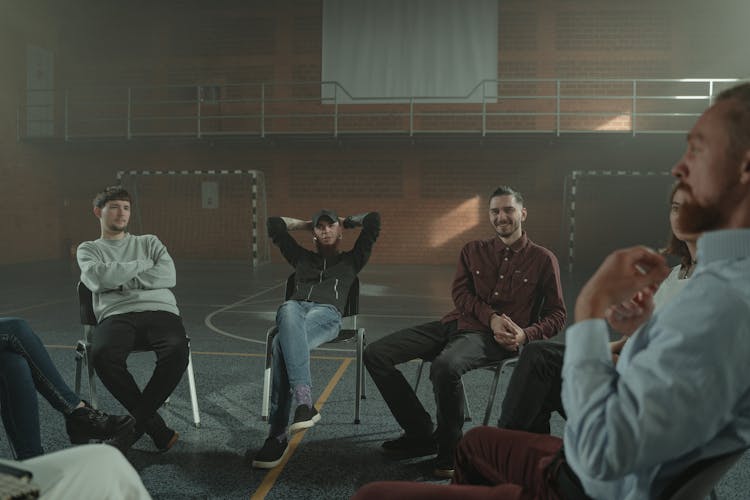
It is always good to know what group therapy is before plunging into the Types of group therapy. Group therapy is defined as a small group of subjects who come to meet a licensed therapist/two therapists. Instead of solving the problem themselves, individuals have the chance to share the merits of collective stories, another perspective, and skills that are gained due to instant communication.
Most of them follow a discussion, skill-building, and reflective direction, as opposed to looser and emotion-focused ones. The power of group therapy lies in the bonding: you have the feeling that you are not the only one, and you have gained the tools that help in day-to-day life.
The 7 Key Types of Group Therapy
Every kind of therapy is aimed at meeting some particular needs, starting with learning coping skills and ending with trauma processing. The most prevalent, evidence-based modalities, as implemented by such leading providers as Palm Coast Treatment Solutions, are as follows:
1. Cognitive Behavioral Therapy (CBT) Groups
CBT groups are rather inclined to focus and aim at identifying and changing negative thought processing behaviors that lead to the development of harmful behavior. The individuals in this group are directed to overcome catastrophic thoughts, reorder partition-breaking thoughts and replace unproductive routines with better ones as given by Palm Coast Treatment Solutions. As an indicator, grounding skills can be trained in an anxiety CBT group to end panic attacks.
The Palm Coast Treatment Solutions provides CBT therapy groups to their clients who feel depressed, fearful, and have co-occurring disorders and are directed by licensed therapists who help members apply CBT techniques in their daily living.
2. Psychoeducational Groups
Psychoeducational groups are more focused on education to make their clients aware of their conditions, symptoms, and their coping mechanisms. According to Palm Coast Treatment Solutions, these sessions usually follow the theme of a particular topic, like learning to recognize the triggers of addiction or how to deal with flashbacks of PTSD and they involve handouts and worksheets and discussion. We provide psychoeducational family support to addicted families, enabling their loved ones to know how to contribute to recovery without encouraging bad habits.
3. Support Groups
The support groups are normally peer-managed (or controlled by professionals) groups where members exchange their personal experiences and support each other. Examples of such include Alcoholics Anonymous (AA) or NAMI mental health support groups. Palm Coast Treatment Solutions asserts that such groups offer a group that has the authority to link all the individuals present, unburden and disclose their milestones so as to understand how to live, as there are other people who have already experienced the same road.
4. Interpersonal Process (Psychodynamic) Groups
These groups are based on the psychodynamic theory, in which past relationships and unresolved conflicts influence the current behavior. According to Palm Coast Treatment Solutions, the members discuss their own interaction with the group to discover patterns that appear to be happening again and again, e.g., people-pleasing or fear of being vulnerable, as well as address their hidden emotional wounds.
6. Skills-Building Groups
Skills-building groups concentrate on gaining realistic and practical action-based skills in life to handle certain difficult situations. According to Palm Coast Treatment Solutions, the anger management workshops, training in communication skills, and mindfulness classes are typical examples. The social anxiety group of the teens, as an example, will be taught to apply conversation starters and use exposure exercises in a low-pressure situation. We offer skills-building classes to clients of all ages, and they are tailored to the needs of the clients, like dealing with stress, coping with parents and children, or child and parent communication.
6. Trauma-Informed Groups
These teams are formed directly so as to assist trauma survivors with the primary purpose of encompassing safety as well as empowerment to avoid re-traumatization. At the same time, both Palm Coast Treatment Solutions note that methods like grounding exercises, somatic experiencing, and emotional regulation skills are used in trauma-informed groups that will permit the members to work and process their experiences at their own speed.
7. Family and Couples Groups
Groups of families and couples are targeted to ensure that communication and conflict management have been refined in any given relational system. According to Palm Coast Treatment Solutions, the sessions help the loved ones understand how their relationship influences one another, especially the instances of addiction or mental condition and formulate strategies of helping the other partner. The family therapy group services that we provide are mending the broken relationships, getting rid of the codependency and giving a suitable home atmosphere that would help in long-lasting recovery.
100% Confidential Support is Available 24/7
No matter what you’re going through, you’re not alone. Our dedicated team is here to provide a safe, judgment-free space where you can talk openly and honestly. Whether you need emotional support, resources, or just someone to listen.
We’re here for you—completely confidential and always respectful of your privacy. Call us today!
Why Group Therapy Works
The advantages of group therapy include those that a person in therapy does not always have:
- Shared experience minimizes the feelings of intimacy.
- Members are role models of good health to other members.
- Interpersonal practice in real life enhances skills of communication.
- Positive accountability is effective at fortifying recovery.
- A therapist facilitates the group so that it is safe.
Treatment is likely to become more successful and enduring when people are healed in the presence of others.
Contact Palm Coast Treatment Solutions
Battling with Drug and Alcohol Addition? Remember, you are not alone and we are here to help you!
How to Choose the Right Group Therapy Type for You
The nature of the group therapy that should be created will depend on your needs and objectives. The other path of entry is simple or easy and it can be psychoeducational or support groups, especially when you are a new client to therapy. CBT or instead, trauma-informed group therapy could be more effective in an incident in which you desire to cure certain mental health symptoms.

Ready to Start Group Therapy? We Can Help
You are not required to decide separately in case you are researching the types of group therapy and you are not sure of which kind of group therapy fits you. The licensed therapist of Palm Coast Treatment Solutions shall help you make the appropriate decisions as regards goals, symptoms, and level of care to attend its corresponding group.
Book a consultation today at Palm Coast Treatment Solutions or call (386) 284-4151
Reclaim your life, your group awaits!
Overcome Addiction with Palm Coast Treatment Solutions.
Book an appointment.
FAQ: Types of Group Therapy
What are the different types of therapy groups?
Common therapy groups include psychoeducational groups, process groups, CBT groups, DBT skills groups, support groups, and relapse-prevention groups. Each serves a unique purpose and supports different mental health or recovery goals.
What are some group therapy techniques?
Popular techniques include mindfulness exercises, role-playing, thought-challenging activities, emotional processing, behavioral rehearsal, and skill-building assignments. Therapists select techniques based on the group’s needs and therapeutic goals.
What are the five major types of treatment groups found in social work?
The primary groups include educational groups, support groups, therapy groups, socialization groups, and task groups. Each type addresses different needs—from emotional support to skill development and community engagement.
Is group therapy considered CBT?
Not always. Some group therapy is CBT-based, but many other models—such as DBT, interpersonal therapy, and psychoeducational groups—are also used. CBT groups are one specific format within a broader group therapy landscape.
What are the four main types of therapy?
The four foundational types include cognitive behavioral therapy, psychodynamic therapy, humanistic therapy, and behavioral therapy. Each offers different strategies for addressing mental health symptoms and personal growth.
What are the three different support services groups?
Support service groups typically include peer support groups, family support groups, and community recovery groups. These groups help individuals feel connected, understood, and motivated throughout treatment and long-term recovery.