Key Takeaways
- Narcissism exists on a spectrum, from everyday traits to clinical conditions
- Narcissistic Personality Disorder is a recognized mental health diagnosis
- Not everyone with narcissistic traits has a personality disorder
- Professional assessment is essential for accurate diagnosis
- Treatment can improve emotional awareness, relationships, and quality of life
Narcissism
Narcissism: Is It a Mental Illness? is a subject that most individuals ask themselves whenever we observe the repetitive nature of egocentric behaviors and indifference towards emotions, where the connections are marked by unending differences. Narcissism is continuum-based. Most people are narcissistic at some point in their lives, and an exceedingly small share of them can be diagnosed with a diagnosable mental condition.
The gap is great, especially when the narcissistic set of behaviors starts influencing the relations, work performance or emotional state of being.
The guide describes narcissism in a non-clinical, comprehensible and intellectual way that enables the reader to better understand what narcissism is, when it becomes a problem and how to exploit it.
Understanding Narcissism
Narcissism is an intellectual as well as a habitual propensity of self- achievement and emotional admiration, alongside being highly applaudable. It might be moderate and low narcissism that might be seen in works of confidence, ambition and personal challenge success in real life. On its own, this is not harmful.
The issues of narcissistic tendencies are alarming because they go permanent, invasive and devoid of sensitivity to other human beings. At this point, the situation might be imbalanced and disputes are observed in a short period of time and the pity is minimal. The most significant fact of the definition of narcissism is that an individual is aware of narcissism in its daily expression and in other forms of extremes.
Different Types of Narcissism
Narcissism is not universal. Prevalence patterns:
- Grandiose narcissism – Arm-waving self-confidence and domination and entitlement.
- Weak narcissism – Unsteadiness, tenderness, and defensiveness.
- Malignant narcissism – Triumph, domination and denial.
The impact of the two presentations on relations is diverse. It is, however, when one only sees the existence of inflexible schemata in more than one setting that makes him propose the diagnosis of a personality disorder.
What is Narcissistic Personality Disorder?
Narcissistic Personality Disorder (NPD) is an illness of the psyche, which may be diagnosed and followed by the long-term tendency of pomp and the fervor to be valued by other individuals and feelings. As compared to situational narcissism, NPD is not a situational condition but is chronic and it is taking over various life spheres.
In order to permit this, Narcissistic Personality Disorder tends not to have a physical display, and thus, the majority of the NP victims have issues with respect to criticism, emotional affiliation and motivation in the maintenance of healthy relationships regardless of how they appear externally as highly assertive or prosperous.
Narcissism Versus Narcissistic Personality Disorder
The distinction between narcissism and narcissistic personality disorder is in the fact that narcissism is a condition whereby a person has a particular sense of self-awareness which is at abnormal levels and narcissistic personality disorder is a situation whereby a person remains self-aware even though life conditions do not favor such a situation. Narcissism Versus Narcissistic Personality Disorder The difference between narcissism and the narcissistic personality disorder is that narcissism is when a human being is supremely aware of himself due to which he is abnormally aware of himself.
Narcissism and Narcissistic Personality Disorder have the most drastic differences in terms of the severity, flexibility and the broad impact:
- Narcissism: The situation-related, allometric and more often, self-conscious.
- Narcissistic Personality Disorder: violent, unmanageable and disruptive.
Narcissists will be in a position to review their behaviors and change them. Failure to see the consequences of the behavior can be an issue unless the NPD individuals are assisted by professionals.
Contact Palm Coast Treatment Solutions
Battling with Drug and Alcohol Addition? Remember, you are not alone and we are here to help you!
DSM-5-TR Criteria for Narcissistic Personality Disorder
The diagnosis of Narcissistic Personality Disorder, according to the DSM-5-TR, presupposes the presence of a chronic tendency, which entails a number of the following symptoms:
- Massive affectation of self-sensitivity.
- Minorities are fascinated by success, or they want to be successful by means of influence or sexual desire.
- An excessive adoration, sacrifices.
- Sense of entitlement
- Interpersonal exploitation
- Limited empathy
- Competition with the other persons or even the self-assurance that other individuals are envious.
These characteristics are to bring about clinically important, impaired functioning.
What are the Symptoms of Narcissistic Personality Disorder?
Symptoms may include:
- Failure to take criticism.
- Rejection is seen as effective.
- Influential behavior or dominating behavior.
- Relationship instability
- Neglect or lack of security in the midst of its external purchases.
The symptoms are usually divergent in extent and more likely to be persistent in time and circumstances.
What Causes Narcissistic Personality Disorder?
There is no unitary influence of Narcissistic Personality Disorder. Both are conjoined e.g. scientific research has revealed.
- The childhood experiences which might touch on excessive badgering or emotion denial.
- Chaos of emotional authentication.
- Genetic vulnerability
- Therapeutic trauma or emotional armedness.
These have chronic outcomes of emotional regulation, self concept and interpersonal functioning.
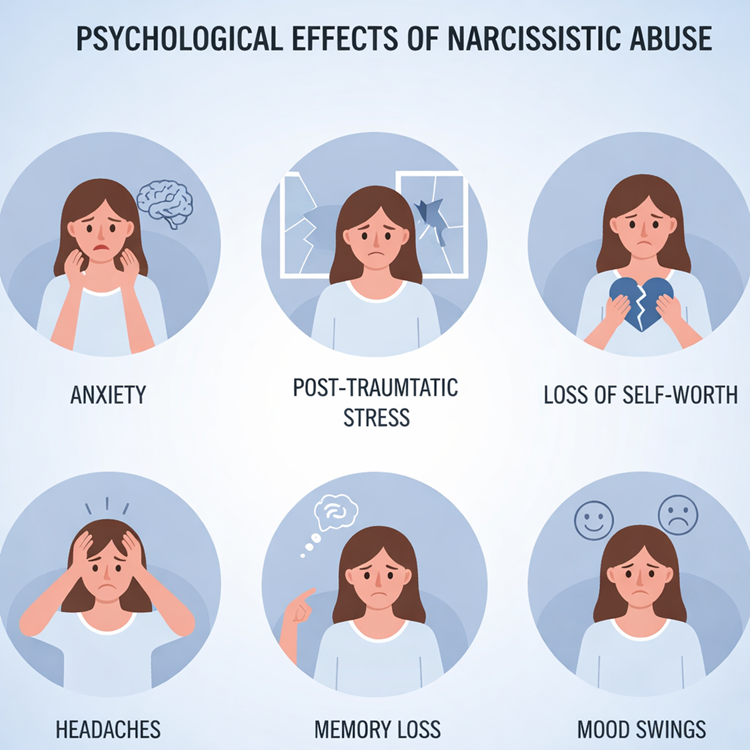
What are the Complications of Narcissistic Personality Disorder?
Otherwise, Narcissistic Personality Disorder, which has not been treated, may also result in:
- The contradiction of relationships is continuous.
- Workplace difficulties
- Depression or anxiety
- Substance use concerns
- Social isolation
In the long run, such complications will tend to arouse dismay on the part of the victim and individuals surrounding him.
How is Narcissistic Personality Disorder Diagnosed?
The diagnosis will be based on a prolonged mental health examination by a qualified specialist. The latter traditionally involves the behavioral history, clinical interview and assessment of the emotional and interpersonal functioning. Narcissist Personality Disorder does not have a test which can be verified; thus, it needs a professional evaluation.
How is Narcissistic Personality Disorder Treated?
To a large extent, treatment is carried out in the form of psychotherapy. The evidence-based practice can consist of:
- Psychodynamic therapy
- The one is cognitive behavioral therapy (CBT).
- Schema-focused therapy
The intervention will be guided to promote the level of emotional awareness, healthier pattern of relationship, and adoption of a healthier coping style. This is not in a one-day transformation but that it can change positively.

Treatment for Narcissistic Personality Disorder
Treatment is good based on relationships. Through the assistance of treatment and therapy, the individuals can have a chance to investigate the extant emotional distress, build empathy, and discover more rational methods of communicating with other people. The positive outcomes of incorporated care are linked to the existence of other conditions like anxiety or depression.
When to Seek Professional Support
The pattern of narcissism will offer an escape as long as inappropriate relationship, employment or emotional well-being is being caused. The Palm Coast treatment solutions organization is caring and organized, as the mental services that are offered to the community aim at inspiring insight, responsibility and sustainable development.
Call Palm Coast Treatment Solutions and learn more about mindful mental health care and other methods of treatment.
Disclaimer
This content is for educational purposes only and is not intended to diagnose, treat, or replace professional mental health care. If you or someone you know is experiencing emotional distress or mental health concerns, seek evaluation from a qualified mental health professional.
Frequently Asked Questions
Is being a narcissist considered a mental illness?
Not always. Narcissism refers to personality traits that vary in severity. Only when these traits are persistent, rigid, and significantly impair daily functioning does it meet criteria for a mental health diagnosis.
Can you overcome narcissism?
Yes. With therapy and self-awareness, individuals can develop healthier emotional responses, improve empathy, and change relationship patterns over time. Progress depends on motivation and consistent treatment.
Is there a treatment for narcissistic personality disorder?
Yes. Psychotherapy is the primary treatment for Narcissistic Personality Disorder. While change takes time, therapy can help improve emotional regulation, relationships, and overall functioning.
How to live with narcissistic personality disorder?
Living with Narcissistic Personality Disorder involves ongoing self-reflection, professional support, and learning emotional regulation skills. Therapy helps individuals manage reactions, improve communication, and build healthier relationships.
What is the root cause of narcissism?
Narcissism often develops from a mix of early emotional experiences, trauma, attachment patterns, and genetics. It typically forms as a coping response to unmet emotional needs.
Can a narcissist become a normal person?
People with narcissistic traits or Narcissistic Personality Disorder can change behaviors and improve emotional awareness through treatment. While personality traits may remain, functioning and relationships can significantly improve.
Sources
- American Psychiatric Association. Diagnostic and Statistical Manual of Mental Disorders (DSM-5-TR)
- National Institute of Mental Health (NIMH)
- Millon, T. (2011). Disorders of Personality: Introducing a DSM/ICD Spectrum