Understanding the Fentanyl Vaccine
In an attempt to understand the Fentanyl Vaccine it is important to recognize how the opioid crisis has transformed drastically. Fentanyl is no distant or secluded threat it has turned into one of the most unsafe drugs that leads to fatal cases of overdose across the United States. Researchers are working on developing new equipment to reduce the damage, and one of the most discussed inventions is the Fentanyl Vaccine. This new solution can change the future of collaboration between overdose prevention and addiction treatment, although this may happen at the critical stages of research.
This blog is used to discuss what the Fentanyl Vaccine is, how it functions, and what its shortcomings are, as well as why addiction treatment facilities such as Palm Coast Treatment Solutions are always important, no matter the development of science.
What is a Fentanyl Vaccine?
Fentanyl Vaccine is an experimental vaccine which is meant to make the body think that fentanyl is a foreign substance. Instead of altering brain chemistry, it triggers the immune system to generate antibodies that bind to fentanyl molecules in the blood.
Bound Fentanyl has a reduced ability to cross the blood-brain barrier. This is capable of reducing or eliminating the euphoric delights that result in abuse and reducing the risk of overdose. It must be mentioned that the vaccine is not a cure for the addiction, but the drug, but not the problem.
The Brutal Reality of Fentanyl
Fentanyl is 50-100 times stronger than heroin and morphine, respectively. Even a minuscule harm to the injection of the wrong chemical is fatal. The reason is that fentanyl is normally laced in other drugs without an individual being aware of fentanyl and using it as a genuine threat.
The trend of overdosing has been revolutionized with the presence of illegal fentanyl. The deaths are quicker and the period within which they can rescue is smaller, and the harm reduction fees are occasionally untimely. And this is the simple truth, and that is why the scientists are frantically trying to find other preventive measures like a Fentanyl Vaccine.
Why is a Fentanyl Vaccine Needed Now?
The traditional approaches that are already in place, including education, naloxone accessibility, and addiction management, are very significant but they are not universal. The number of fatalities through overdose continues to grow despite the heightened awareness and resources.
An additional protection of Fentanyl Vaccine would be beneficial to people who are highly vulnerable to relapse or unintentional exposure to this drug. No, it is not intended to replace the existing care but merely to complement it at the time when the strength of fentanyl has overtaken most of the precautions.
How Does the Fentanyl Vaccine Work?
A vaccine is known as Fentanyl Vaccine and generates immunity in the body and the body produces antibodies that specifically antagonize fentanyl. When fentanyl gets into the body, these antibodies bind themselves to the drug thereby blocking the drug to reach the brain.
The action of fixed fentanyl can be significantly reduced or suppressed because it cannot reach the brain. The process is analogous to the way some vaccines block the entrance of viruses into cells; however, the antagonist this time is an artificial opioid.
What Goes Into a Fentanyl Vaccine?
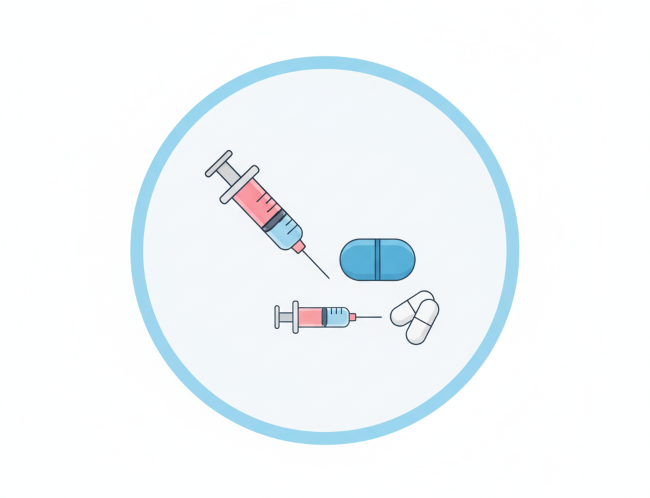
The vaccine normally contains a fentanyl-like molecule (hapten) conjugated to a carrier protein. The presence of such a mixture is known to instruct the immune system that fentanyl is dangerous.
Other ingredients that make immune system boosters are available. These substances are developed in a manner that does not activate opioid receptors and they put individuals under the influence. Safety, specificity and effectiveness have been the most important in the current research.
Who is Developing the Fentanyl Vaccine?
There is also active research in several universities and research centers developing Fentanyl Vaccine with the assistance of the public entities in this sphere. Initial animal studies have been successful, and the human clinical trials are being done.
Even though various time scales are of use, it is important to be able to test things rigorously as experts underline. Every vaccine that is supposed to be extensively utilized must be of good quality in terms of safety and effectiveness before it is declared in the streets.
Who Could Benefit From a Fentanyl Vaccine?
If approved, the Fentanyl Vaccine can benefit:
- At-risk patients in early recovery.
- Patients with consecutive non-fatal overdoses.
- Fentanyl users subject fentanyl victims to substances that contain fentanyl.
- Patients who abandon an organized treatment environment.
However, it would only play a role in a general recovery effort and not be a fix on its own.
Does the Fentanyl Vaccine Interfere With Addiction Treatment?
Based on available facts the Fentanyl Vaccine would not interfere with the normal therapy of addiction. It is not antagonistic to such opioid receptor-lying drugs as buprenorphine or methadone, which work differently.
Indeed, medication-assisted treatment, therapy and monitoring of the medical sphere could be an effective option to increase the long-term outcomes when combined with a vaccine. The addiction treatment centers would still be vital in care coordination, relapse and emotional recovery.
Risks and Limitations of a Fentanyl Vaccine
The Fentanyl Vaccine like any other medical practice, has its disadvantages. It does not reduce cravings, address trauma, and co-occurring mental illness. Neither does it protect other opioids unless the opioid was designed to protect them.
False confidence is another issue of concern. People can feel that they have complete security and perform more dangerous actions. His further education and clinical management would be needed to avoid clear ignorance or misuse.
Common Myths About the Fentanyl Vaccine
Another myth is that the vaccine is a cure-all in addiction. It does not. The issue of addiction is a multifaceted medical phenomenon, which is embodied in behavior, functionality in the brain, emotional regulation, and environmental conditions.
The other myth is that it substitutes treatment. As a matter of fact, a Fentanyl Vaccine would be in the best position should it be used with therapy, peer support, and organized clinical care.
Is the Fentanyl Vaccine a Game Changer?
The fentanyl vaccine can become an important harm-reduction device, although it is not a silver bullet. The major worth of it is in prevention and additional protection rather than in recovery.
When carefully incorporated, it would be possible to minimize the number of overdose deaths when people undergo thorough treatment. Science in itself is not the medicine that will cure addiction but may help to show safer and better ways to go.
How Addiction Treatment Centers Fit Into the Future
Addiction treatment providers continue to be the key to recovery despite the ever-evolving medical solutions. There is no injection which can replace counseling, medical supervision, relapse prevention planning, or emotional support.
At Palm Coast Treatment Solutions, the content of the care is targeted at an individual as a whole, rather than substance use. Whether or not a fentanyl vaccine comes out, there should always be compassionate, evidence-based treatment.

Find Addiction Treatment Help
You do not necessarily have to wait until a solution is developed for opioid use in the future. Palm Coast Treatment Solutions provides comprehensive and supportive treatments in order to assist people in regaining their stability and hope. Call now and talk to a professional admissions specialist and move a step closer to recovery.
Medical Disclaimer
This content is for informational and educational purposes only and is not intended as medical advice, diagnosis, or treatment. The Fentanyl Vaccine is currently under clinical investigation and is not approved for general use. Always consult a qualified healthcare professional for personalized medical guidance.
Key Takeaways
- The Fentanyl Vaccine is designed to block fentanyl from reaching the brain
- It is not a cure for addiction or a replacement for treatment
- Research is ongoing, with early findings showing promise
- Behavioral therapy and clinical care remain critical to recovery
- Education and harm reduction continue to save lives today
Frequently Asked Questions
How does the fentanyl vaccine work?
The fentanyl vaccine stimulates the immune system to create antibodies that bind to fentanyl in the bloodstream. This prevents the drug from reaching the brain, reducing its effects and potentially lowering overdose risk.
What is the purpose of a fentanyl injection?
Medically, fentanyl injections are used for severe pain management, often during surgery or advanced illness. Outside clinical settings, illicit fentanyl use carries extreme overdose risk due to its high potency.
Why is fentanyl used for end of life?
Fentanyl is used in end-of-life care because it provides powerful pain relief and can be administered safely under medical supervision, helping patients remain more comfortable during advanced stages of illness.
What is the main source of fentanyl?
Illicit fentanyl is primarily manufactured illegally and distributed through unregulated drug markets. It is often mixed with other substances, increasing overdose risk for individuals who are unaware of its presence.
What was fentanyl originally created for?
Fentanyl was originally developed as a prescription medication to treat severe pain, especially in surgical and cancer-related settings, due to its fast-acting and highly effective pain-relief properties.
What countries have the most fentanyl?
The United States has experienced the highest impact from fentanyl-related overdoses. Illicit production and trafficking networks extend globally, but overdose deaths are most concentrated in North America.