Alcohol use disorder or addiction to alcohol, also known as Alcohol Use Disorder (AUD) is a persistent, relapsing brain condition characterized by the inability to avoid or control alcohol intake although the consequences of alcohol use (social, professional or health-related) are adverse. To the majority of us a simple social drinking can become a real physical and psychological addiction that cannot be defeated without any external help.
Because alcohol is a central nervous system depressant, prolonged use alters the brain chemistry, specifically the neurotransmitters GABA and glutamate. This new paradigm makes professional supervision extremely significant. It can be life-threatening and in some other instances, physically hazardous to withdraw coldly after years of excessive use.
The first step to regaining your life involves awareness of addictive symptoms. Irrespective of the fact that you find that your tolerance level is increasing or that you are struggling with the cravings, an organized treatment environment provides the security and professionalism to have a safe journey towards the path of wellness. In this manual, the red flags of AUD are listed as well as the entire recovery options that would render you stable in the long term.
Expert Advice: The most effective approach in dealing with the biological and psychological aspects of the illness is through clinical supervised assistance.
Myths vs. Medical Realities of Alcoholism
Myth | Medical Reality | Role of Professional Oversight |
“I can quit on my own.” | Sudden cessation can cause seizures or cardiac arrest in dependent users. | Clinical monitoring ensures a safe withdrawal. |
“Medication is a crutch.” | FDA-approved meds fix chemical imbalances in the brain’s reward system. | Doctors use medication as a tool for stabilization. |
“Relapse means failure.” | Relapse is a common part of the chronic disease cycle. | Recovery services help refine the plan after a setback. |
Physical and Behavioral Symptoms of Addiction
The state of alcohol addiction is characterized by both physical dependency and behavioral changes. The Cleveland Clinic states that AUD is diagnosed according to a scale of mild, moderate, or severe.
Behavioral Red Flags
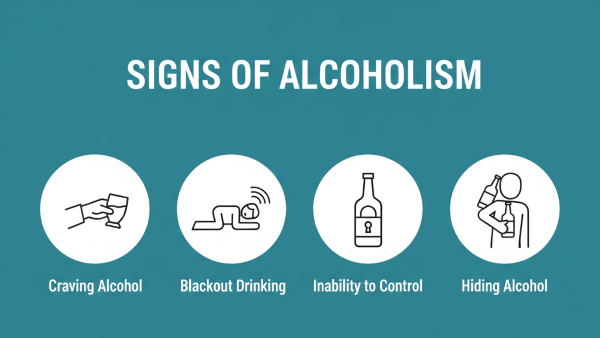
- Loss of Control: Consumption of alcohol in excess of or during a period longer than originally planned.
- Time Consumption: The consumption of a considerable amount of time in drinking or in the remedial consequences of the alcohol (hangovers).
- Neglected Responsibilities: The use prevents one from meeting his or her duties at work, school, or home.
- Social Withdrawal: Forgoing hobbies or social activities in order to consume or due to the consumption of drink.
Physical Indicators
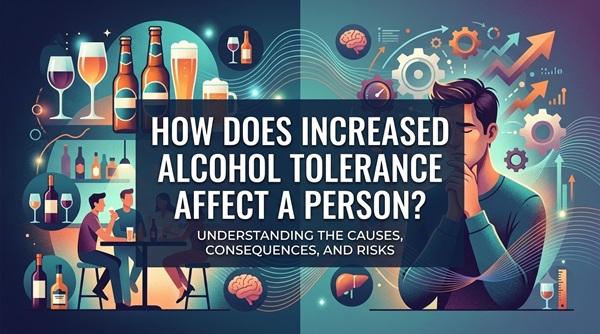
- Tolerance: The requirement of very large amounts of alcohol to feel similar.
- Cravings: A strong and distracting desire or hunger of alcohol.
- Physical Deterioration: There are significant changes that include an alcohol flush (redness of the face), blunt bruising, or an untidy look because of negligence in cleaning up.
Palm Coast Treatment Solutions is one of the treatment solutions that have a well-developed assessment in a controlled environment to assist in the early identification of these symptoms.
100% Confidential Support is Available 24/7
No matter what you’re going through, you’re not alone. Our dedicated team is here to provide a safe, judgment-free space where you can talk openly and honestly. Whether you need emotional support, resources, or just someone to listen.
We’re here for you—completely confidential and always respectful of your privacy. Call us today!
The Danger of Withdrawal: Why Detox Requires Oversight
When an individual who is physically dependent on alcohol quits drinking, the brain which has been overproducing the excitatory chemicals to offset the depressant effects of alcohol, overreacts. This leads to withdrawal, and this has to be achieved by professional monitoring.
Stage | Timing | Symptoms |
Mild | 6–12 hours | Anxiety, tremors, insomnia, and nausea. |
Moderate | 12–48 hours | Increased blood pressure, mental confusion, and sweating. |
Severe | 48–72 hours | Delirium Tremens (DTs), seizures, and hallucinations. |
Due to the extreme severity of withdrawal that may prove to be fatal, a controlled environment is the most secure place to start the detox process. The benzodiazepines and other supervised support tools can be used by medical professionals so that the process can be humane and safe.
FACT: The Kindling effect implies that the symptoms will progressively become more serious and hazardous each time an individual experiences an alcohol withdrawal.
Contact Palm Coast Treatment Solutions
Battling with Drug and Alcohol Addition? Remember, you are not alone and we are here to help you!
Medical Treatment Options: FDA-Approved Medications
There are various pharmaceutical preparations, which are approved by the FDA to aid people to be sober. They can best be incorporated into a structured care plan.
- Naltrexone: It is a substance that prevents receptors that give pleasure upon drinking alcohol in the brain, thereby decreasing the pleasure feeling upon drinking and decreasing craving.
- Acamprosate (Campral): Assists the brain to recover its natural chemical equilibrium following chronic intake, namely decreasing the misery after detox and cravings.
- Disulfiram (Antabuse): This is an extremely unpleasant physical response (nausea, flushing), which occurs instantly when alcohol is taken and acts as a strong deterrent.
The administration of these drugs with professional supervision has high probabilities of success in the long term.
Overcome Addiction with Palm Coast Treatment Solutions.
Book an appointment.
Comparison of Care Levels for AUD
This table helps you understand which structured care environment may be right for your current situation.
Level of Care | Intensity | Best Suited For | Clinical Focus |
Medical Detox | Extreme | Acute withdrawal risk. | Physical safety and stabilization. |
Residential Treatment | High | Severe AUD or unstable home life. | Immersive therapy and 24/7 monitored setting. |
Partial Hospitalization | Moderate | Transitioning from residential. | Intensive day therapy with nights at home. |
Low | Mild AUD or long-term maintenance. | Weekly counseling and professional oversight. |
Evidence-Based Behavioral Therapies
Whereas drugs suppress the biological craving, behavior therapy suppresses the reason as to why one drinks. The structured treatment setting usually provides:
- Cognitive Behavioral Therapy (CBT): Assists patients with recognizing automatic thoughts and situations of high risk, and teaches them new coping strategies towards stress.
- Motivational Enhancement Therapy (MET): The therapy is aimed at cultivating the inner determination and belief to resolve to live a sober life.
- Dialectical Behavior Therapy (DBT): It is excellent regarding managing the distress that usually leads to a relapse and emotional control.
- 12-Step Facilitation: Advocates the attendance of community support groups such as Alcoholics Anonymous (AA).
Palm Coast Treatment Solutions incorporates these recovery services to make it a holistic approach to recovery.
Overcome Addiction with Palm Coast Treatment Solutions.
Book an appointment.
The Importance of a Structured Treatment Environment
The process of recovery is not only to quit drinking but to create a new life. A monitored environment or residential facility will offer the necessary groundwork to this change, by providing:
- Constant Accountability: This ensures regular monitoring to eliminate the secret drinking that occurs in early recovery.
- Healthy Habit: Creating new nutrition, exercise, and sleep habits.
- Immersion: The ability to be in a group of peers and professionals who share the same objective of wellness.
Through the elimination of the stimuli of the external world, a planned treatment space provides the brain with time to recuperate.

Alcoholism is a multi-layered disorder; moreover, it can be treated. It will allow you to start the process of moving to a healthier and more stable future by acknowledging the symptoms and knowing all the different treatment choices available to you. Medical detox with professional oversight to long-term behavioral therapy, the success tools are accessible.
We offer quality recovery services and supervised care at Palm Coast Treatment Solutions and meet your needs according to your specific needs. Our treatment philosophy focuses on the organized treatment setting that takes into account both physical and emotional treatment of AUD. By providing a safe and regulated environment, we enable our clients to escape the loop of addiction and create a life characterized by being clear and having a sense of purpose.
Medical Disclaimer: This blog is for informational purposes only and is not a substitute for professional medical advice.
FAQs
How do I know if my drinking has become an addiction?
You may have an addiction if you experience strong cravings, find it impossible to limit your intake, or continue drinking despite it causing problems in your life. Clinical diagnosis often involves checking if you have experienced withdrawal symptoms or built a significant tolerance, which indicates a need for professional oversight.
What is the difference between alcohol abuse and alcohol dependence?
Alcohol abuse refers to a pattern of drinking that leads to dangerous situations or neglected responsibilities, whereas dependence (addiction) involves a physical or psychological need to consume alcohol to function. Both are parts of Alcohol Use Disorder and benefit significantly from a structured treatment environment and supervised support.
Are the medications used to treat alcoholism addictive?
No, the primary FDA-approved medications like Naltrexone and Acamprosate are not addictive. They do not produce a “high.” Instead, they work by normalizing brain chemistry or blocking the rewards of drinking. These are medical tools used within recovery services to help the brain return to a state of balance.
Can I undergo detox at home safely?
Home detox is generally not recommended for those with a moderate to severe dependency due to the risk of seizures and Delirium Tremens. A monitored setting with 24/7 professional oversight is the safest way to clear alcohol from your system, ensuring that any medical complications are handled immediately and effectively.
How long does treatment for alcohol addiction usually last?
Treatment duration varies; however, many residential programs last between 30 and 90 days. Recovery is an ongoing process, and many individuals continue with outpatient recovery services or support groups for years. A structured care plan is designed to provide the specific timeframe needed for your unique biological and emotional healing.