Tramadol Abuse, Risks, and Addiction Recovery is one of those topics that most people fail to even research before they realize that they have already compromised their physical or even daily well-being. With experience, one can conclude that tramadol is not a well-known drug over the years of experience working with people and families who are the victims of prescription opioid misuse. Although it is used to treat pain, it actually has some real claims of addiction, dependence and withdrawal. This book proceeds to talk, in a very simple and direct manner, about the mechanics of tramadol and why people abuse it, what kind of risks the abuse inflicts on them and what actually effective recovery involves.
At Palm Coast Treatment Solutions, there is education that is provided in the treatment. The first choice towards healthier and safer options is usually an appreciation of the drug.
What is Tramadol and Why Is It Prescribed?
Tramadol is a substance that combines to create an opioid pain drug that has addictive properties on the brain chemistry.
Tramadol is also used in the management of moderate or moderately severe pain in such cases as post-surgical or post-injury or chronic pain. It also works on serotonin and norepinephrine, in contrast to the conventional opioids, which go along with mood and emotion control.
Why that matters:
- It can be soothing, emotionally, to alleviate suffering.
- Repetition can be enhanced with mood effects.
- Acute withdrawal has consequences on the mood systems and pain systems.
This is twice and this is one of the reasons why abuse of tramadol could silently evolve into an addictive disorder.
Can Tramadol Be Addictive?
Tramadol is an addictive drug, even with a prescription.
Many people have the idea that tramadol is safer than any other opioid. Although it lacks the same strength as such opioid drugs as oxycodone, it also binds to opioid receptors in the brain. Over time, the brain adapts.
The common effects of tramadol addiction are:
- To earn the same, one must take more.
- Excessive use than required by a health practitioner.
- Between-Dose Anxiety or Irritability
- Difficulty in inhibiting in the face of adverse reinforcing stimuli.
This is the trend based on Tramadol Abuse, Risks and Addiction Recovery conversations.
Break free from Tramadol dependence today with compassionate, professional care at Palm Coast Treatment Solutions.
How Tramadol Abuse Develops Over Time
The Tramadol abuse is not dramatic.
Most individuals are not addicted to tramadol by taking it as an abuse drug. Abuse may often take phases:
- Convincing discomposure, taking in, approved.
- There is a development of tolerance that requires increased dosage.
- Psychological dependence, Relaxation or stress.
- Loss of control over use
As these changes are gradual, a lot of people are not aware of the issue until they are very addicted to it.
Tramadol Effects on the Body and Brain
The effects of tramadol are not limited to the levels of pain.
Short-Term Effects
- Drowsiness and dizziness
- Nausea or constipation
- Light intoxication or emotional desensitization.
Long-Term Effects
- Seizures (dose taken orally)
- Hormonal imbalances
- Loss of concentration and memory.
- Growth of anxiety/depression is possible to be enhanced.
With time, the brain cannot deal with pain and mood without the drug, and the further use of it becomes even more powerful.
Why Mixing Tramadol With Other Substances Is Dangerous
The drugs, like tramadol, coupled with other medication interactions, enable the risk of overdose.
High-Risk Combinations
- Alcohol: Stalls the breathing and exposes one to overdosing.
- Benzodiazepines: Increase the mortality rate by causing fatal respiratory depression.
- Antidepressants may result in the occurrence of serotonin syndrome.
- Other opioids: Addiction and dependence.
Many emergency room visits connected with tramadol are concerned with such combinations, which are in general accidental.
Tramadol Withdrawal: What to Expect
The withdrawal of Tramadol may not only be of physical effects but also of mental effects.
Tramadol arouses the opioid receptors and the brain chemicals, hence making the withdrawal experience appear more complex compared to other opioids.
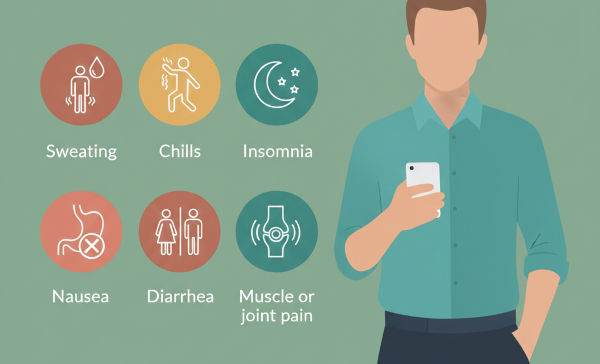
The withdrawal symptoms are not very unusual and include:
- Pains in muscles and irritability.
- Vomiting and sweating.
- Anxiety, feeling, or agitation or depression.
- The inability to sleep and the need to eat more.
Monitored detox becomes a safe method of coping with these symptoms with the help of medicine and minimizes the chances of a relapse.
Struggling with Tramadol addiction? Start your recovery journey now with expert support and personalized treatment plans.
Tramadol Abuse Statistics and Trends
The abuse of tramadol is growing throughout the world.
Studies indicate that there are rising emergency cases associated with tramadol-related seizures and overdoses. Among the most at-risk groups are young adults and chronic pain sufferers. The trends point to the increased demand in the readily available Tramadol Abuse, Risks and Addiction Recovery services.
What Does Tramadol Addiction Recovery Look Like?
Good recovery is not just a physical addictive matter but has to do with the factors which led to it.
Key Components of Recovery
- Tapered medical withdrawal.
- Interventions of therapy and counseling to overcome the pain, stress, or trauma.
- Stability skills (in the long term) in relapse prevention.
- Ongoing treatment and not short-term treatment.
Not only quitting tramadol and returning to a healthy lifestyle but also restoring a normal human lifestyle is a matter of concern.

Getting Help Safely and Confidentially
In the case that the use of tramadol becomes uncontrollable, there is assistance. The process of quitting by an individual can predispose the occurrence of acute withdrawal or relapse. Professional therapy provides a set of structures, the role of a medical check and support.
Palm Coast Treatment Solutions should be contacted immediately in case you or someone you care about is struggling. The initial step towards professional, safe and lasting recovery can be achieved through a confidential talk with a treatment professional.
Disclaimer
This content is for educational purposes only and is not intended as medical advice. It should not replace professional diagnosis, treatment, or guidance. Always consult a qualified healthcare provider regarding substance use, withdrawal, or treatment options.
Frequently Asked Questions About Tramadol
What are the side effects of long-term use of tramadol?
Long-term tramadol use can lead to dependence, tolerance, constipation, hormonal changes, mood disorders, memory problems, and increased seizure risk. Over time, the body relies on the drug to function normally, making stopping more difficult.
What are the side effects of withdrawal from tramadol?
Withdrawal symptoms may include muscle aches, anxiety, sweating, nausea, diarrhea, insomnia, mood swings, and cravings. Because tramadol affects mood-related brain chemicals, emotional symptoms can be especially challenging without medical support.
Does tramadol cause precipitated withdrawal?
Tramadol itself does not usually cause precipitated withdrawal. However, switching too quickly from tramadol to certain opioid-blocking medications can trigger sudden withdrawal, which is why medical guidance is recommended.
Can tramadol cause addiction?
Yes. Tramadol activates opioid receptors and alters brain chemistry related to reward and mood. Repeated use can lead to tolerance, dependence, and compulsive use, all of which define addiction.
What happens to your body if you take tramadol every day?
Daily tramadol use can change how your brain processes pain and pleasure, leading to physical dependence. Over time, you may need higher doses, experience mood changes, and face increased risks such as seizures and withdrawal symptoms.
What are the mental effects of tramadol?
Mentally, tramadol can cause anxiety, depression, confusion, emotional numbness, and difficulty concentrating. Long-term misuse may worsen existing mental health conditions and interfere with decision-making and emotional regulation.
Sources
- National Institute on Drug Abuse (NIDA)
- U.S. Food & Drug Administration (FDA) – Tramadol Safety Communications
- Substance Abuse and Mental Health Services Administration (SAMHSA)
- World Health Organization (WHO) – Opioid Use and Dependence