Alcohol poisoning is a serious and often fatal condition brought on by drinking too much alcohol in a short time.. This condition requires urgent intervention beside recognizing the potential of permanent organ damage or death. In this blog we will look at the signs of alcohol poisoning, the treatment for this condition as well as ways in which the situation can be prevented and where to seek help if you or someone you know is affected.
What is Alcohol Poisoning?
Alcohol poisoning is the state when one has too much alcohol in his/her blood system and the essential parts of the brain are dysfunctioning. While in ordinary toxicity, individuals experience temporary derangement or loss of control of their faculties or behavior, the patient is in acute danger of sustaining harm from sedation, respiratory difficulty, irregular heartbeat, and even unconsciousness. Because alcohol is a toxin to the body system, Alcohol treatment must be sought immediately so that serious consequences or fatality may be avoided.

Causes of Alcohol Poisoning
The main cause of alcohol poisoning is drinkers taking a large quantity of drinking alcohol within a short interval. Factors that influence the risk of developing alcohol poisoning include:
– The stomach’s contents help to slow down the rate at which alcohol gets into the body.
– Drinking beverages containing alcohol at very high speeds.
– Possible intolerance to alcohol because of age, weight, or some health issues.
– Other causes include alcohol-drug interactions which make toxicity worse.
Alcohol Poisoning Symptoms
Identifying the symptoms of alcohol poisoning can often save one’s life as soon as possible. Some of the most common alcohol poisoning symptoms include:
– Especially confusion and mental disorientation
– Vomiting
– Seizures
– Shallow, intervals of more than two minutes or less than eight breaths per minute.
– Pale or bluish skin
– Low body temperature
– Enuresis or inability to open the eyes
If you notice some of these signs in a friend or a relative after the drinking spree, then it is time to go and seek medical help. The poisoning caused by alcohol can worsen with a high degree of severity very fast and that is why one should not wait for too long before seeking treatment.
How Long Does It Take For Alcohol Poisoning to Clear Up?
Alcohol poisoning stays for a few hours to some days depending on the amount of alcohol taken, how the individual’s body metabolizes alcohol, and the extent of the medical attention that the individual receives. The forehead may remain flushed for a few hours and the eyes bloodshot for hours after alcohol has left the stomach. The liver metabolizes one drink per hour, and therefore, it takes quite some time to clear someone’s blood alcohol levels.
Management of Alcohol Intoxication
Immediate Medical Management
In acute cases of alcohol intoxication, prompt medical care is crucial. Emergency treatment focuses on stabilizing the patient and preventing complications. This may include:
– Monitoring vital signs (breathing, heart rate, body temperature)
– Administering intravenous fluids to prevent dehydration
– Using oxygen therapy to assist with breathing
– Managing seizures or other critical symptoms with medication
Long-Term Management Strategies
For long-term recovery, addressing the psychological and behavioral aspects of alcohol use is essential. Here’s how different therapeutic approaches contribute:
Individual Therapy
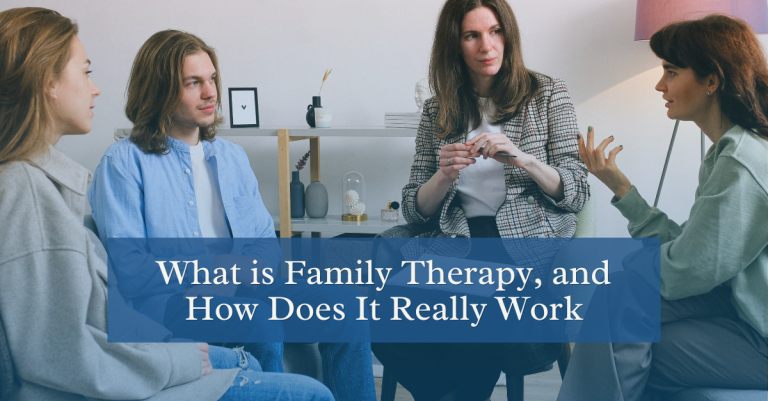
Individual therapy provides a personalized approach to understanding the triggers and motivations behind alcohol use. One-on-one sessions with a therapist help develop coping strategies, build healthier habits, and set personal goals for sustained sobriety.
Group Therapy
Group therapy offers peer support and shared experiences. Participants can learn from others’ journeys and build a sense of community, reducing feelings of isolation. Group settings encourage accountability and foster mutual encouragement in recovery.
Cognitive Behavioral Therapy (CBT)
CBT is a highly effective, evidence-based method that helps individuals recognize and change negative thought patterns and behaviors associated with alcohol use. It focuses on identifying triggers, developing healthier coping mechanisms, and creating actionable strategies to prevent relapse.
Dialectical Behavior Therapy (DBT)
DBT combines elements of CBT with mindfulness practices. It is particularly effective for individuals dealing with intense emotions or co-occurring mental health issues. DBT teaches skills like emotional regulation, distress tolerance, and interpersonal effectiveness, which are vital for managing alcohol-related challenges.
When to Seek Professional Help
Alcohol poisoning is an entirely avoidable but potentially deadly situation, and the best thing to do is to seek professional help. It is important to realize the signs of alcohol poisoning and the knowledge of how to manage alcohol poisoning can happen quickly. Alcohol misuse is a real issue that can affect anyone, and if you or someone you know is suffering then there is help out there.

At Palm Coast Treatment Solutions, we offer treatment for alcohol dependence and all other related ailments. Our warm and caring team assists people to take their life back and step out of addiction. For help and more information, please contact us at 386-284-4151. Don’t wait – your path to recovery starts now!