Key Takeaways
- Alcoholic ketoacidosis (AKA) is a medical emergency linked to heavy alcohol use and starvation
- Symptoms can mimic withdrawal or gastrointestinal illness, delaying treatment
- Prompt medical detox corrects chemical imbalances and prevents complications
- Untreated AKA can damage the heart, kidneys, brain, and liver
- Long-term recovery requires addressing alcohol use disorder, not just the immediate crisis
Alcoholic Ketoacidosis Signs, Symptoms and Detox Treatment is a very precarious health complications that propagate their fare without notice being given until they are life-threatening conditions. It is common in individuals with a history of long-term alcohol consumption and who periodically develop itching of the skin and mild or no food intakes. It might seem like a technicality, but the fact of the case is very simple, the organism needs energy, but, in a case when it fails to receive it, the organism starts to release harmful acids, collapsing into all the systems that are necessary.
Our example is the rapid progression of this situation in Palm Coast treatment solutions and the efficiency of the medical detox and alcohol treatment when this request is made in the first case. This guide makes everything easy by avoiding the use of medical jargon so that you are aware of what is taking place and the next course of action.
What is Alcoholic Ketoacidosis?
Alcoholic ketoacidosis is a type of metabolic disorder in which excess accumulation of ketones which are acidic substances obtained through use of fats as a source of energy as opposed to glucose. It occurs when the intake of alcohol disrupts the usual level of the blood sugar and the food intake slows down drastically.
Relative to diabetic ketoacidosis , AKA is common in non-diabetic persons. The sugar level of the blood may be normal or even below normal thus the misunderstanding of the disease. The real danger is the severe gathering of acids which gets in the way of the inner body system.
Alcoholic Ketoacidosis Signs and Symptoms
Alcoholic ketoacidosis may come suddenly with its signs and symptoms quickly going out of hand. The majority of them are confused with the symptoms of a hangover or alcohol withdrawal and that is why there is a delay in emergency treatment.
Common symptoms include:
- Violent vomiting and nausea.
- Abdominal pain
- Rapid or deep breathing
- Fatigue and weakness
- Anxiety or agitation
The capability to be either disoriented or not in the correct state of mind.
As the acidity continues to grow, the symptoms may progress further to the loss of consciousness or the irregular heartbeat and loss of blood pressure. Emergency care is required at this point of time.
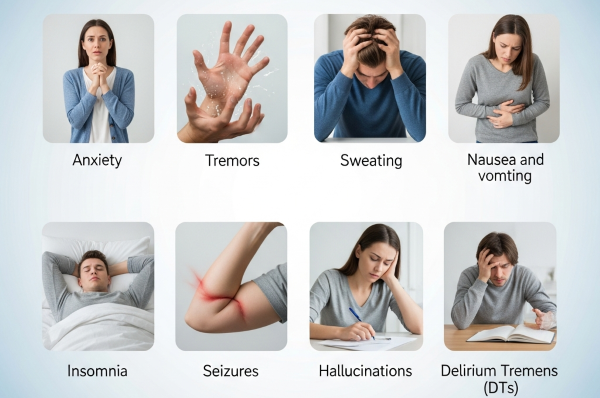
Alcoholic Ketoacidosis Symptoms
The signs described above are normal; however, depending on the extent of dehydration, drinking history, and overall health, the symptoms vary. Some other people complain of chest pains, feeling dizzy, or thirsty. Others complain of foul breath odor, which has a fruity smell because of large volumes of ketones.
The most noticeable one is an ongoing episode of vomiting and excessive consumption of alcohol with little food or no food. This trend almost inevitably presupposes a need to visit a doctor.
What Causes Alcoholic Ketoacidosis?
Alcohol consumption does not contribute to the existence of alcoholic ketoacidosis; this is because of a combination of factors.
Primary causes include:
- Chronic or binge alcohol use
- Prolonged vomiting
- Malnutrition or fasting
- Dehydration
- Electrolyte imbalances
The majority of the cases of AKA develop when a person suddenly quits drinking after excessive consumption that causes the development of alcohol withdrawal symptoms and destruction of the metabolic system.
Alcoholic Ketoacidosis Treatment and Diagnosis
Physical diagnosis is normally employed when testing wastes are carried out with the assistance of blood tests to know their ketone level, blood acidity, electrolytes and renal functioning. Where the abdominal or medical emergency is an exclusion diagnosis, imaging may be utilized.
Treatment of alcoholic ketoacidosis is directed towards stabilizing the body and getting rid of imbalances:
- IV fluids with glucose to prevent the synthesis of ketones.
- Electrolyte replacement
- Thiamine was utilized as a pre-glucose agent to protect the activity of the brain.
- Close observation of kidney and heart functions.
Detox is not an option of medicine, as it is life-saving. When the patients get stabilized, they should be directed to systematic alcohol withdrawal and rehabilitation to minimize their risks of relapsing.
Contact Palm Coast Treatment Solutions
Battling with Drug and Alcohol Addition? Remember, you are not alone and we are here to help you!
Long-Term Impacts of Alcohol Ketoacidosis
The belief that an individual will survive with alcoholic ketoacidosis is not an assurance that the danger is nonexistent. Long-term complications are much at risk due to their frequent occurrence and include:
- Chronic kidney disease
- Heart rhythm disturbances
- Liver failure
- Cognitive impairment
Alcohol uses disorder is a relapsing disorder and as there is no treatment, an individual strains the body every time s/he relapses.

Finding Alcoholism Treatment Near You
The body is normally the last to manifest through the alcoholic ketoacidosis. The alcohol use disorder is a condition that can be treated without causing a medical crisis, leaving ways to other emergencies open.
At Palm Coast Treatment Solutions, there is complete care and it consists of:
- Correctly prescribed and administered drug-prescription alcohol detox.
- Nutritional deficiency therapy.
- Group counseling, personal and family groups.
- Revenue upper hand relapse prevention planning.
It is a comprehensive strategy that allows improved survival and quality of life.
Take the Next Step Toward Recovery
Waiting is dangerous when a patient has symptoms of alcoholic ketoacidosis or there are alcohol use issues of someone they love. Palm Coast Treatment Solutions is to be called to speak with an educated admissions specialist. It is time to begin to feel good and confidential help might be needed.
Medical Disclaimer
This content is for informational purposes only and is not a substitute for professional medical advice, diagnosis, or treatment. Alcoholic ketoacidosis is a medical emergency. Always seek immediate medical care or consult a qualified healthcare provider if symptoms are present.
Frequently Asked Questions
How do you treat alcoholic ketosis?
Treatment involves IV fluids with glucose, electrolyte correction, and vitamin replacement, especially thiamine. Medical monitoring is essential to stabilize acid levels and prevent complications during alcohol withdrawal.
What is the recovery time for ketoacidosis?
Recovery typically begins within 24–72 hours once treatment starts. Full recovery depends on overall health, severity of acidosis, and whether alcohol use disorder is addressed afterward.
How do you treat ketoacidosis?
Ketoacidosis is treated with fluids, glucose, electrolyte replacement, and careful monitoring. In alcohol-related cases, detox support and nutritional restoration are also critical for safe recovery.
When does alcoholic ketoacidosis start?
It usually begins after heavy drinking followed by little or no food intake, often within one to three days. Vomiting and sudden alcohol cessation increase the risk significantly.
What drugs are used for alcohol detox?
Common medications include benzodiazepines for withdrawal symptoms, anti-nausea medications, and supplements like thiamine and magnesium. Medication choice depends on individual medical needs.
Can alcoholic ketoacidosis go away?
Yes, with prompt medical treatment. However, without addressing alcohol use, the condition can return and become more severe over time.
Can ketoacidosis clear up on its own?
No. Ketoacidosis is a medical emergency and does not resolve safely without treatment. Delaying care can lead to organ failure or death.
What organs are affected by ketoacidosis?
Ketoacidosis affects the kidneys, heart, brain, and liver. Severe acid imbalance disrupts normal organ function and can cause lasting damage if untreated.