You are out of the dynamic, or perhaps you are still not sure if you can be, and you still do not feel like yourself. Healing from narcissistic abuse isn’t as simple as putting distance between you and the person who hurt you. It’s truly something deeper that was rewired, and you deserve a real map to get back.
The recovery process from narcissistic abuse is not linear; it has its own stages of safety and separation, of grieving and disorientation, and of rebuilding identity and self-trust. Trauma bonding is a neurochemical response to affection and cruelty, complicating recovery. Hoovering or PTSD symptoms can hinder healing, which is why trauma-informed therapy can help accelerate the process.
None of these feelings indicate weakness or brokenness. This means your brain has adjusted to a truly disorienting experience and it is time to give it the support it needs to recalibrate.
What you can expect to find going on in your mind and body, what the recovery process is likely to look like, and what will actually support you in your recovery process.
What Does Narcissistic Abuse Do to Your Body and Mind
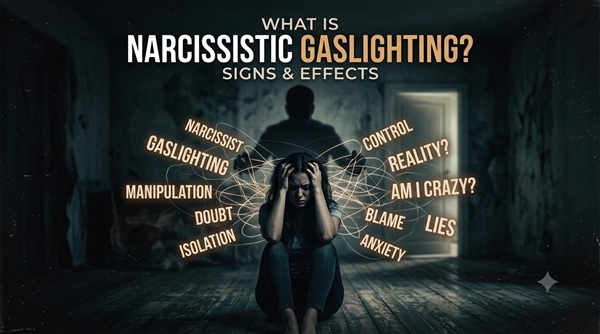
Narcissistic abuse leaves measurable effects on the nervous system, including chronic cortisol elevation, disrupted sleep, hypervigilance, and a persistent sense of self-doubt from prolonged manipulation. This isn’t an exaggeration or a dramatic way of describing a hard breakup.
Clinicians treating relational trauma describe survivors consistently reporting immune dysregulation, sleep disruption, and somatic symptoms that can feel alarming until you understand where they actually come from.
Common effects include:
- Chronic anxiety, hypervigilance, or a constant sense of waiting for the next conflict
- Difficulty trusting your own perceptions or memory of events
- Emotional numbness alternating with intense grief or anger
- Physical symptoms like fatigue, digestive issues, or disrupted sleep
- A fractured sense of identity, especially after a long relationship
Palm Coast Treatment Solutions works with survivors at every stage of this, from the fog right after leaving to years down the road. Reach us whenever you’re ready.
What is a Trauma Bond
A trauma bond is a neurochemical attachment formed through cycles of affection and cruelty, where dopamine, oxytocin, and serotonin during good moments condition your brain to crave the relationship despite the harm. This is why leaving rarely feels like relief right away.
Fact: Researchers describe trauma bonding as functioning through the same reward pathways involved in substance dependence.
During idealization, your brain floods with feel-good chemicals that create a powerful positive association. During devaluation, cortisol and adrenaline spike instead. That whiplash between highs and lows is exactly what makes the bond so hard to break through willpower alone.
What Are the Stages of Healing from Narcissistic Abuse
Healing from narcissistic abuse generally moves through recognizable phases, safety, grief, integration, and identity reconstruction, though they rarely arrive in a clean, predictable order. Expect loops and backslides, not a straight line upward.
- Safety and stabilization: Establishing physical and emotional distance, often including no contact
- Recognition and naming: Learning the vocabulary of what actually happened, and realizing your reactions were survival strategies, not flaws
- Grief and disorientation: Processing real loss, even for a relationship that caused harm
- Trauma integration: Working through the experience with professional support, not just intellectual understanding
- Identity reconstruction: Rebuilding a sense of self that exists independent of the relationship
If you’re somewhere in the middle of this and it feels like you should be further along by now. Palm Coast Treatment Solutions can help you make sense of exactly where you are.
What is Hoovering in a Narcissistic Relationship
Hoovering is when a narcissistic ex-partner reappears, often with apologies or a manufactured crisis, specifically timed to pull you back in just as you’re starting to heal. It’s named after the vacuum brand, because that’s exactly what it’s designed to do.
Expert Advice: Decide your response to hoovering attempts in advance, before contact happens, not in the moment.
- Hoovering often mimics the love-bombing phase, complete with charm and promises to change
- It tends to arrive right when you’re gaining stability, not randomly
- The person hasn’t changed; they’ve typically run through other sources of attention and returned to a familiar one
- A pre-decided response, blocking, not replying, or a scripted boundary, protects you from being caught off guard
What Are the Signs You Are Healing from Narcissistic Abuse
Real signs of healing include less preoccupation with the relationship, clearer boundaries, and seeing the person accurately instead of through the lens they created for you. Progress often shows up in small, quiet ways before it feels dramatic.
- Thinking about the relationship less often, and with less intensity when you do
- Recognizing manipulation patterns clearly, without needing to relitigate every incident
- Setting and holding boundaries without excessive guilt
- Making decisions based on your own needs rather than anticipating someone else’s reaction
- Days that feel genuinely lighter, even if they’re mixed in with harder ones

How Do You Rebuild Self-Trust After Narcissistic Abuse
Rebuilding self-trust starts with small, low-stakes decisions where you practice listening to your own judgment again, since narcissistic relationships often train survivors to doubt their own perceptions. This skill atrophies with disuse and strengthens with practice.
- Start with small decisions: what to eat, how to spend an afternoon, and notice you can trust your own choices
- Keep a written record of things you correctly sensed were “off” during the relationship, as proof your instincts work
- Practice naming your own needs out loud, even in low-stakes situations
- Permit yourself to change your mind without treating it as a failure
Can Narcissistic Abuse Cause Complex PTSD
Prolonged narcissistic abuse can lead to complex PTSD, a pattern distinct from single-incident trauma that includes emotional flashbacks, persistent shame, and difficulty regulating emotions long after the relationship ends. This isn’t the same as standard PTSD from a single traumatic event.
Research on survivor populations found a significant majority reported meaningful trauma-related symptoms, including severe anxiety and complex PTSD, following prolonged narcissistic abuse.
Signs worth taking seriously include:
- Emotional flashbacks triggered by seemingly unrelated situations
- Persistent shame or a deeply negative self-view that doesn’t match the facts
- Difficulty with emotional regulation, swinging between numbness and overwhelm
- Ongoing hypervigilance in new relationships, even safe ones
How Do You Cope After Narcissistic Abuse
Healthy coping during recovery from narcissistic abuse involves nervous system regulation, consistent routines, and relationships where warmth doesn’t come and go unpredictably. Your body needs new evidence of safety, not just new information.
Approaches that genuinely help include:
- Somatic or body-based therapy to address stored physical tension and hypervigilance
- Consistent sleep and movement routines to help regulate stress hormones
- Support groups with others who understand trauma bonding without needing it explained
- Journaling to track patterns and reinforce trust in your own observations
- Limiting exposure to reminders that reliably trigger emotional flashbacks, at least early on
Healing Support at Palm Coast Treatment Solutions
Recovering from narcissistic abuse touches your nervous system, your relationships, and sometimes your relationship with substances used to cope along the way, which is exactly why Palm Coast Treatment Solutions builds care around the whole picture, not just the last relationship. You don’t need a tidy explanation of what happened before you reach out.
We offer individual therapy with clinicians trained in relational trauma, dual diagnosis treatment if substance use has become part of how you’ve been coping, and our Adult Mental Health Program for the anxiety, depression, or PTSD symptoms that often follow.
Whenever you’re ready, not before, reach out through our contact page or call (386) 284-4151 to start with someone who won’t ask you to explain more than you’re ready to share.
FAQs
How do you start healing from narcissistic abuse?
Healing often begins by creating emotional and physical safety through firm boundaries or, when appropriate, no contact. From there, acknowledging the abuse, understanding manipulation tactics, and working with trusted supporters or a trauma-informed therapist can help rebuild stability and confidence over time.
What is a trauma bond?
A trauma bond is a powerful emotional attachment formed through repeated cycles of affection, manipulation, and mistreatment. These alternating experiences can condition the brain to seek the relationship despite ongoing harm, making it especially difficult to leave or maintain healthy boundaries.
What are the stages of healing from narcissistic abuse?
Recovery commonly includes establishing safety, recognizing the abuse, grieving the relationship, processing traumatic experiences, and rebuilding identity and self-worth. These stages rarely happen in a straight line, and many people revisit earlier phases while continuing to make meaningful long-term progress.
What is hoovering?
Hoovering is a manipulation tactic in which someone attempts to draw a former partner back into the relationship after separation. This may involve apologies, promises to change, affection, guilt, or manufactured crises designed to weaken healthy boundaries and reestablish control.
How do I know if I’m actually healing?
Signs of healing include thinking less about the relationship, recognizing manipulation more quickly, maintaining healthy boundaries with less guilt, trusting your own judgment, and making decisions that reflect your personal values rather than fear or pressure from someone else.
Can narcissistic abuse cause complex PTSD?
Yes. Prolonged emotional abuse can contribute to complex post-traumatic stress disorder (C-PTSD), which may involve emotional flashbacks, chronic shame, hypervigilance, difficulty regulating emotions, and persistent relationship challenges long after the abusive relationship has ended.
How long does it take to heal from narcissistic abuse?
There is no universal timeline for recovery. Healing depends on factors such as the length of the relationship, available support, and personal circumstances. Progress often occurs gradually, with setbacks being a normal part of the healing process rather than signs of failure.
How do I rebuild self-trust after narcissistic abuse?
Rebuilding self-trust starts with making small decisions independently, recognizing when your instincts prove accurate, and practicing self-compassion. Working with a trauma-informed therapist can also help challenge self-doubt and strengthen confidence in your own perceptions and choices.
Is it normal to still want contact with someone who hurt me?
Yes. Many survivors experience a lingering desire for contact because of trauma bonding, not because the relationship was healthy. With time, consistent boundaries, and emotional support, these intense feelings typically become less powerful and easier to manage.
What kind of therapy helps with narcissistic abuse recovery?
Trauma-informed therapies, including cognitive behavioral therapy, EMDR, somatic therapies, and other evidence-based approaches, can support recovery. These treatments address both the emotional impact of prolonged manipulation and the nervous system changes that often develop after chronic psychological abuse.
Can healing from narcissistic abuse involve substance use as a coping mechanism?
Yes. Some survivors turn to alcohol or other substances to cope with overwhelming emotions or traumatic memories. Addressing both trauma and substance use together through integrated treatment often leads to healthier coping strategies and stronger long-term recovery outcomes.
Does insurance cover therapy for narcissistic abuse recovery?
Many major insurance plans provide coverage for mental health treatment services. Palm Coast Treatment Solutions can help verify your insurance benefits, explain available treatment options, and determine what services may be covered before beginning care.
References
- SimplyPsychology – Signs You Are Healing from Narcissistic Abuse
- Annie Wright, LMFT – The Stages of Healing from Narcissistic Abuse
- ReachLink – Narcissistic Abuse Recovery: 4 Stages and Why It’s So Hard
- Oak Health Center – How to Heal from Narcissistic Abuse
- Choosing Therapy – Signs You Are Healing from Narcissistic Abuse
- Kinder in the Keys – Stages of Narcissistic Abuse: What to Know & Expect
- Psychology Today – How to Heal from a Damaging Relationship with a Narcissist
Medical Disclaimer: This blog is for informational purposes only and is not a substitute for professional medical advice, diagnosis, or treatment; please consult a qualified healthcare provider and visit Palm Coast Treatment Solutions for personalized guidance.