In This Blog
- What identifying drug use means
- Why early identification matters
- Common physical signs of drug use
- Behavioral and psychological indicators
- Social and lifestyle changes
- Risk factors associated with drug use
- When to seek professional support
- How identification supports recovery planning
The early diagnosis of drug use can become an important aspect of the management of potential risks and long-term stability. The histories of substance use may be accumulated over a period of time, and their early signs are fragile and may be readily overlooked. The consciousness of such signs can contribute to the successful response of such situations by individuals, their families, and support systems.
Drug use can affect different aspects of life, including but not limited to physical well-being, behavior, emotional, and social life. These are some of the changes that may not be so evident at the onset, but are more likely to be noticeable with time. There may be a better picture based on what may be happening on listening to trends in contrast to one off occurrence.
Awareness does not presuppose suppositions. Instead, it involves tracking the frequent alterations and referring to the appropriate information in case of anxiety. Drug use can be identified in a systematic and balanced way so as to assist in early intervention and having access to the appropriate resources.
Expert Advice: Consistent observation of behavioral patterns helps identify substance use concerns early and accurately.
What are the Common Signs of Drug Abuse?
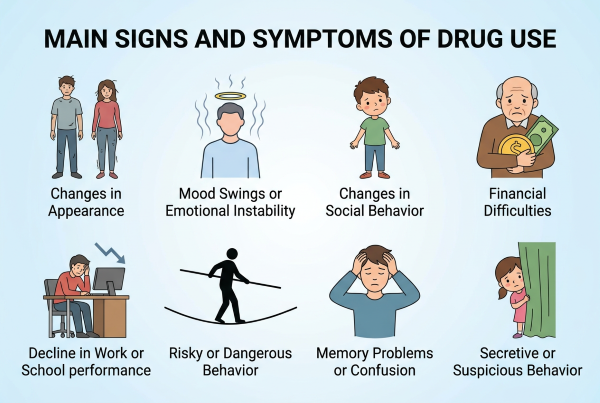
Identifying drug use involves recognizing patterns of behavior, physical changes, and emotional shifts that may indicate substance use. It is not based on a single sign but rather a combination of indicators observed over time.
This process focuses on understanding patterns rather than making immediate conclusions. Observations should be considered alongside context, frequency, and impact on daily functioning.
Accurate identification can help guide next steps, including conversations, support planning, or seeking professional guidance.
Benefits of Early Detection in Substance Use
Early identification allows for timely support and reduces the likelihood of patterns becoming more difficult to manage.
Key reasons include:
- Preventing escalation of substance use patterns
- Supporting healthier decision-making
- Reducing impact on daily functioning
- Encouraging early access to professional support
Taking action early can improve long-term outcomes and provide more options for intervention.
Physical Symptoms of Drug Use to Watch For
Physical signs may vary depending on the substance used, but common indicators include:
- Changes in appetite or weight
- Sleep disturbances or unusual sleep patterns
- Bloodshot or glazed eyes
- Poor coordination or slowed movements
- Unexplained fatigue or increased energy
These signs should be observed over time rather than in isolation.
Changes in Behavior Caused by Drug Addiction
Behavioral changes are often noticeable and may include:
- Sudden changes in routine or habits
- Increased secrecy or withdrawal from others
- Decline in work or academic performance
- Loss of interest in previously enjoyed activities
- Risk-taking or impulsive actions
Behavioral indicators often provide important context when combined with other signs.
FACT: Behavioral changes are often among the earliest indicators of developing substance use patterns.
Emotional and Mental Warning Signs of Substance Abuse
Psychological changes may include:
- Mood swings or irritability
- Anxiety or restlessness
- Difficulty concentrating
- Low motivation or apathy
These changes can affect daily functioning and may signal underlying concerns.
How Drug Use Affects Social Life and Relationships
Drug use can influence social interactions and lifestyle patterns.
Common changes include:
- Shifts in social circles or peer groups
- Reduced communication with family or friends
- Changes in daily priorities
- Increased isolation
These changes may develop gradually and become more noticeable over time.
Environmental Red Flags of Drug Use
Certain environmental factors may provide additional context:
- Presence of unfamiliar items or substances
- Frequent absence without clear explanation
- Changes in spending habits
These clues should be considered carefully and alongside other indicators.
Top Risk Factors for Developing Substance Use Disorders
Several factors may increase the likelihood of drug use:
- Exposure to substance use in social environments
- High levels of stress or emotional challenges
- Lack of professional routine
- History of substance use in the family
- Limited support systems
Understanding these factors helps provide context when identifying patterns.
Learn about drug use assessment and support at Palm Coast Treatment Solutions. Call today.
Financial Red Flags Linked to Hidden Drug Use
One of the more concrete indicators of a developing substance use pattern is a sudden and unexplained shift in financial behavior. This might look like frequently borrowing money, falling behind on standard bills, or an inability to account for significant portions of income.
In more advanced stages, an individual might sell personal belongings or show a heightened secrecy regarding their spending habits. These financial red flags, when paired with behavioral changes, often suggest that priorities have shifted toward maintaining a substance use habit.
Substance Use Impact Areas
Impact Area | Early-Stage Indicators | Late-Stage Indicators |
Financial | Occasional unexplained spending | Chronic debt or selling of assets |
Professional | Minor tardiness or lack of focus | Frequent absenteeism or job loss |
Physical | Mild changes in sleep or appetite | Significant weight loss or visible tremors |
Interpersonal | Occasional irritability or avoidance | Severe isolation or loss of long-term friendships |
Cognitive | Slight forgetfulness or distraction | Persistent confusion or impaired judgment |
Recognizing Addiction Patterns vs. One-Time Use
It is important to distinguish between patterns and isolated incidents. A single change in behavior or mood does not necessarily indicate drug use.
Consistent patterns over time, especially when multiple signs appear together, provide a more reliable basis for concern. Observing frequency, duration, and impact helps ensure a balanced and accurate understanding.
Physical and Behavioral Drug Signs
Type of Sign | Examples | Key Insight |
Physical | Sleep changes, appetite shifts | Often visible but vary by substance |
Behavioral | Routine changes, secrecy | Provide strong context |
Emotional | Mood swings, anxiety | May overlap with other conditions |
Social | Isolation, new peer groups | Reflect lifestyle changes |
This comparison helps organize observations and identify patterns more effectively.
When to Seek Professional Addiction Treatment
Support may be helpful when:
- Multiple signs appear consistently over time
- Daily functioning is affected
- There are concerns about safety or well-being
- Attempts to address concerns independently are not effective
Seeking support early allows for better planning and professional guidance.

How Early Screening Improves Addiction Recovery
Identifying drug use is an important first step in recovery planning. It provides the information needed to determine appropriate support options and next steps.
Clear identification helps:
- Guide conversations about support
- Match individuals with suitable programs
- Establish goals for change
- Monitor progress over time
This professional approach ensures that recovery planning is informed and personalized.
Common Obstacles in Detecting Substance Abuse
Identifying drug use can be complex due to overlapping signs with other conditions. For example, stress, fatigue, or mental health concerns may present similar symptoms.
Additionally, individuals may hide or minimize their behavior, making observation more difficult. These challenges highlight the importance of considering multiple indicators and maintaining a balanced perspective.
How to Talk to Someone About Their Drug Use
Open and respectful communication can support the identification process. Approaching conversations without judgment encourages honesty and reduces defensiveness.
Active listening and focusing on observed behaviors rather than assumptions can help create a supportive environment for discussion.
Approaching Drug Use Concerns with Empathy and Privacy
Ethical approaches include:
- Avoiding assumptions based on limited information
- Respecting privacy and boundaries
- Using accurate and evidence-informed information
- Encouraging informed decision-making
These principles ensure responsible and respectful handling of concerns.
Palm Coast Treatment Solutions offers professional assessments and support programs designed to help identify substance use patterns and guide recovery planning. Their approach emphasizes accuracy, confidentiality, and evidence-informed strategies, providing individuals with the tools and professional support needed to address concerns and work toward long-term stability.
Medical Disclaimer: This article is for informational purposes only and is not a substitute for professional medical advice.
Key Takeaways
- Identifying drug use involves observing patterns over time
- Physical, behavioral, and emotional signs all play a role
- Social and lifestyle changes can provide additional context
- Risk factors help explain potential patterns
- Early identification supports timely intervention
- professional support can guide recovery planning
FAQs
What are the most common signs of drug use?
Common signs include changes in behavior, mood, physical appearance, and social interactions. These may involve sleep disturbances, secrecy, mood swings, or withdrawal from activities. Observing patterns over time rather than isolated incidents helps provide a clearer understanding of potential substance use concerns.
How can you tell if someone is using drugs?
Identifying drug use involves looking for consistent changes in behavior, physical health, and emotional state. Signs such as secrecy, sudden routine changes, and mood fluctuations may indicate concerns. It is important to consider multiple indicators together rather than relying on a single observation.
Are behavioral changes early signs of drug use?
Yes, behavioral changes are often among the earliest indicators. These may include shifts in routine, decreased motivation, or increased secrecy. Observing these patterns over time can help identify potential concerns early and support timely intervention before patterns become more established.
When should you be concerned about drug use signs?
Concern may be warranted when multiple signs appear consistently and begin to affect daily functioning. Changes in behavior, relationships, or responsibilities can indicate a need for further evaluation. Seeking professional support early can help address concerns and provide guidance for next steps.
What should you do if you suspect drug use?
If you suspect drug use, it is important to approach the situation calmly and gather information. Observing patterns, initiating respectful conversations, and seeking professional guidance can help. Taking a balanced and informed approach supports better understanding and appropriate action.