In This Blog
- What is ketamine therapy
- How ketamine works in the brain
- Whether ketamine therapy causes a “high.”
- Differences between therapeutic use and misuse
- What to expect during a session
- Potential effects and side effects
- Safety considerations and monitoring
- Who may be considered for ketamine therapy
Ketamine therapy has also become an option that has been considered in treating some of the mental health conditions, especially when other methods have failed. With the increase in awareness, a lot of people are asking questions related to its functionality and what it is like to experience it. Whether ketamine treatment causes a high is one of the most prevalent issues.
Ketamine is a drug that has both medical and abuse use. This two-sided environment may lead to a misunderstanding of its impacts when applied in an organized and guided environment. The distinction between controlled therapeutic use and non-medical use is an important aspect in making informed decisions.
This paper describes the mechanism of ketamine treatment, the effects that can be experienced during the sessions, and the difference between the effects and the recreational experiences. It also describes safety issues and what people might expect with an organized approach.
Expert Advice: Ketamine therapy effects vary; professional supervision ensures safety and appropriate therapeutic application for individuals.
What is Ketamine Therapy?
Ketamine therapy involves the controlled use of ketamine as part of a professional treatment approach for certain mental health conditions. It is administered in a supervised setting and combined with supportive care and monitoring.
The focus of ketamine therapy is not on producing a particular sensation but on supporting changes in brain activity that may help with mood, thought patterns, and emotional processing. The experience is carefully managed to prioritize safety and consistency.
FACT: Ketamine can produce dissociative effects, but therapeutic use differs from recreational misuse significantly.
How Does Ketamine Affect the Brain?
Ketamine interacts with brain receptors involved in mood regulation and neural communication. It affects glutamate activity, which plays a role in learning, memory, and emotional processing.
This interaction may help create new neural connections and improve communication between brain regions. These changes are believed to contribute to its therapeutic effects when used in a professional environment.
Does Ketamine Therapy Get You High?
Ketamine therapy may produce altered sensations, but these are not the same as a recreational “high.” Individuals may experience:
- A sense of detachment from surroundings
- Changes in perception of time or space
- Mild visual or sensory distortions
These effects are often described as dissociative rather than euphoric. The intensity and nature of these sensations vary depending on dosage, setting, and individual response.
The goal of therapy is not to induce pleasure or intoxication but to support therapeutic outcomes in a controlled setting.
What’s the Difference Between Therapeutic Use vs. Recreational Misuse
Aspect | Therapeutic Use | Recreational Misuse |
Setting | professional and supervised | Uncontrolled environments |
Purpose | Support mental health treatment | Alter perception or mood |
Monitoring | Continuous observation | No professional oversight |
Dosage | Carefully managed | Often unpredictable |
This distinction highlights the importance of context in understanding ketamine’s effects.
What Happens During a Ketamine Therapy Session?
A typical ketamine therapy session may include:
- Initial evaluation and preparation
- Administration in a controlled setting
- Monitoring throughout the session
- Post-session observation and support
Sessions are designed to ensure safety and provide a professional experience.
Ketamine therapy has also become an option that has been considered in treating some of the mental health conditions especially when other methods have failed. With the increase in awareness, a lot of people are asking questions related to its functionality and what it is like to experience it. Whether ketamine treatment causes a high is one of the most prevalent issues.
Ketamine is a drug that has both medical and abuse use. This two-sided environment may lead to a misunderstanding of its impacts when applied in an organized and guided environment. The distinction between controlled therapeutic use and non-medical use is an important aspect in making informed decisions.
This paper describes the mechanism of ketamine treatment, the effects that can be experienced during the sessions, and the difference between the effects and the recreational experiences. It also describes safety issues and what people might expect with an organized approach.
Ketamine therapy effects vary; professional supervision ensures safety and appropriate therapeutic application for individuals.
What is Ketamine Therapy?
Ketamine therapy involves the controlled use of ketamine as part of a professional treatment approach for certain mental health conditions. It is administered in a supervised setting and combined with supportive care and monitoring.
The focus of ketamine therapy is not on producing a particular sensation but on supporting changes in brain activity that may help with mood, thought patterns, and emotional processing. The experience is carefully managed to prioritize safety and consistency.
FACT: Ketamine can produce dissociative effects, but therapeutic use differs from recreational misuse significantly.
How Does Ketamine Affect the Brain?
Ketamine interacts with brain receptors involved in mood regulation and neural communication. It affects glutamate activity, which plays a role in learning, memory, and emotional processing.
This interaction may help create new neural connections and improve communication between brain regions. These changes are believed to contribute to its therapeutic effects when used in a professional environment.
Does Ketamine Therapy Get You High?
Ketamine therapy may produce altered sensations, but these are not the same as a recreational “high.” Individuals may experience:
- A sense of detachment from surroundings
- Changes in perception of time or space
- Mild visual or sensory distortions
These effects are often described as dissociative rather than euphoric. The intensity and nature of these sensations vary depending on dosage, setting, and individual response.
The goal of therapy is not to induce pleasure or intoxication but to support therapeutic outcomes in a controlled setting.
What’s the Difference Between Therapeutic Use vs. Recreational Misuse
Aspect | Therapeutic Use | Recreational Misuse |
Setting | professional and supervised | Uncontrolled environments |
Purpose | Support mental health treatment | Alter perception or mood |
Monitoring | Continuous observation | No professional oversight |
Dosage | Carefully managed | Often unpredictable |
This distinction highlights the importance of context in understanding ketamine’s effects.
What Happens During a Ketamine Therapy Session?
A typical ketamine therapy session may include:
- Initial evaluation and preparation
- Administration in a controlled setting
- Monitoring throughout the session
- Post-session observation and support
Sessions are designed to ensure safety and provide a professional experience.
Learn about ketamine therapy options at Palm Coast Treatment Solutions. Call today.
How Do You Prepare for Ketamine Therapy?
Before beginning ketamine therapy, individuals typically go through a preparation phase that may include medical evaluations, mental health assessments, and discussions about treatment goals. This stage helps establish a baseline for care and ensures that the approach is tailored to individual needs. Preparation may also involve guidance on what to expect during sessions, helping reduce uncertainty and improve overall comfort with the process.
What Does Ketamine Therapy Feel Like?
Effects may vary but often include:
- Relaxation or calmness
- Altered perception
- Temporary detachment
- Changes in thought patterns
These effects usually occur during the session and gradually subside afterward.
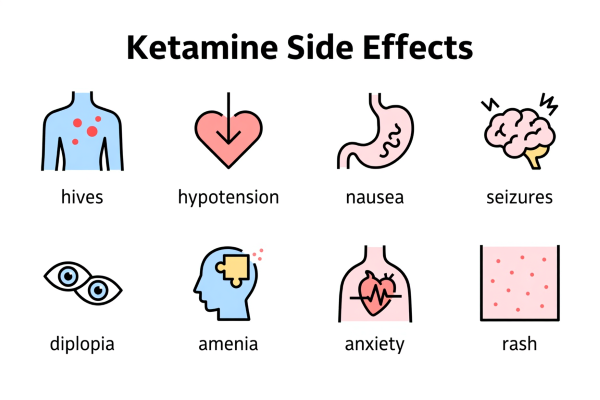
What Are the Side Effects of Ketamine Therapy?
Some individuals may experience side effects such as:
- Nausea
- Dizziness
- Increased blood pressure
- Fatigue after sessions
These effects are typically monitored and managed within the professional setting.
How Long Do the Effects of Ketamine Therapy Last?
Phase | Description |
During Session | Altered perception and dissociation |
Short-Term After | Gradual return to normal awareness |
Later Effects | Possible reflection or emotional processing |
The duration of effects can vary but is generally limited to the session and immediate recovery period.
Is Ketamine Therapy Safe?
Safety is a key component of ketamine therapy. Sessions are conducted with:
- Continuous monitoring of physical and emotional responses
- Controlled dosing
- professional environment
- Follow-up support
These measures help ensure that the therapy is administered responsibly.
Why Does Ketamine Therapy Feel Different for Everyone?
The effects of ketamine therapy can vary based on several individual factors. These may include biological differences, mental health history, and external conditions surrounding the session.
Understanding these variables helps explain why experiences differ and reinforces the importance of a personalized and supervised treatment approach.
Factor | Influence on Experience |
Individual physiology | Affects how the body processes ketamine |
Mental health background | Shapes emotional and cognitive responses |
Dosage and administration method | Determines intensity and duration |
Environment and support | Impacts comfort and sense of safety |
Preparation and mindset | Influences perception and interpretation |
Who is Ketamine Therapy For?
Ketamine therapy may be considered for individuals who:
- Have not responded to other treatments
- Experience certain mood-related conditions
- Are evaluated as appropriate for this approach
Eligibility is determined through a professional assessment process.

Common Myths About Ketamine Therapy
There are several misconceptions about ketamine therapy.
One common belief is that it always produces a euphoric high. In reality, the experience is often described as dissociative and varies widely between individuals.
Another misconception is that therapeutic use carries the same risks as misuse. professional settings and controlled dosing significantly reduce these risks.
What People Expect vs What Ketamine Therapy Actually Feels Like
Expectation | Reality |
Intense euphoria | Often mild or absent |
Loss of control | professional and monitored experience |
Long-lasting effects | Temporary and session-based |
Understanding these differences helps set realistic expectations.
What Happens After a Ketamine Therapy Session?
After a ketamine session, individuals may engage in integration practices designed to process thoughts, emotions, or insights that arise. This can include guided discussions, journaling, or therapeutic follow-ups.
Integration is considered an important component of the overall approach, as it helps connect the session experience with ongoing mental health goals and daily functioning.
Does the Setting Affect How Ketamine Therapy Feels?
The setting plays an important role in shaping the experience of ketamine therapy.
A calm, professional environment with professional support can help individuals feel safe and supported. This contrasts with uncontrolled settings, where experiences may be unpredictable.
Environment, preparation, and guidance all contribute to the overall experience.
What Should You Expect From a Ketamine Therapy Provider?
Ethical approaches include the following:
- Clear communication about risks and benefits
- Informed consent
- Evidence-informed use
- Respect for individual needs and preferences
These principles ensure responsible and transparent use of ketamine therapy.
Palm Coast Treatment Solutions offers professional ketamine therapy within a supervised and supportive environment. Their approach emphasizes safety, consistency, and evidence-informed practices, helping individuals explore treatment options with clear guidance, professional monitoring, and a focus on long-term mental health support.
Medical Disclaimer: This article is for informational purposes only and is not a substitute for professional medical advice.
Key Takeaways
- Ketamine therapy may cause altered sensations but not a typical “high”
- Effects are usually dissociative rather than euphoric
- Therapy is conducted in a controlled and supervised setting
- Experiences vary based on individual response and dosage
- Safety and monitoring are central to the process
- Understanding expectations helps reduce misconceptions
FAQs
Does ketamine therapy make you feel high during sessions?
Ketamine therapy may cause altered sensations such as detachment or changes in perception, but these are not typically described as a recreational high. The experience is controlled and monitored, focusing on therapeutic effects rather than intoxication, and varies depending on individual response and dosage.
What does ketamine therapy feel like for most people?
Many individuals describe the experience as a sense of detachment, relaxation, or altered perception of time and space. Some may notice changes in thought patterns or awareness. These effects are temporary and occur within a professional setting, with monitoring to ensure safety and comfort throughout the session.
Is ketamine therapy safe when used properly?
When administered in a professional and supervised environment, ketamine therapy is generally considered safe for appropriate individuals. Monitoring, controlled dosing, and professional oversight help manage potential side effects and ensure that the treatment is conducted responsibly and with attention to individual needs.
How long do the effects of ketamine therapy usually last?
The primary effects of ketamine therapy typically occur during the session and may last for a short period afterward. Most individuals return to their usual state within hours. Some may experience lingering reflections or emotional processing, which are often part of the therapeutic process.
Can ketamine therapy lead to dependency or misuse?
Ketamine has the potential for misuse outside professional settings, but therapeutic use involves controlled dosing and monitoring to reduce this risk. Proper screening and supervision help ensure responsible use. Individuals are guided through the process to minimize the likelihood of dependency or inappropriate use.