Key Takeaways
- Pink Cocaine is rarely pure cocaine; it’s usually a drug mixture sold under a misleading name.
- Contents vary widely and may include MDMA, ketamine, caffeine, or synthetic substances.
- Effects are unpredictable, increasing the risk of overdose and long-term harm.
- Regular use can lead to addiction and serious mental health consequences.
- Early support and professional treatment can make recovery possible.
What is pink cocaine? This is a question that has been occurring in more and more discussions with parents, as well as professionals and people seeking in Florida. More suitable and more threatening it is. This guide will dissect it, thus making you realize what it is, why it is risky, and where to seek assistance once it is attacking someone that you love.
What is Pink Cocaine?
Pink cocaine, or tusi (or tucibi), is an illegal, synthetic drug blend, not necessarily containing any cocaine, but currently popularly utilized as a party drug. It is customarily a mixture of many psychoactive drugs, with the most common one being ketamine mixed with other psychoactive drugs like MDMA (ecstasy), Methamphetamine and caffeine with a food colorant to give it a distinct and clear pink color.
How is Pink Cocaine Different from Regular Cocaine?
Traditional cocaine is produced from the coca plant and is basically a stimulant. Pink Cocaine on the other hand, is most often mixed and usually in a synthetic form. It can include a mixture of stimulants, depressants and hallucinogens.
This mixture may disorient the body and the brain. Many possible effects result from the consumption of any particular drug instead of just one, depending on the user, although users might experience feelings of energy, sedation, anxiety, euphoria, and even disorientation in the same experience. This erratic behavior makes the chances of overdosing very high as opposed to normal cocaine.
How Widespread is Pink Cocaine?
Pink Cocaine has made its way to the United States and to Florida, despite being confined to the nightclubs in select sections of Latin America. Coastal cities and other regions where there is nightlife experience it first, and it is becoming more and more available.
It has been aided by social media and word of mouth to spread. This means that people can underestimate the dangers, as it is in numerous cases being sold as exclusive or luxurious. This has everything to do with causing widespread concern among the national addiction professionals, such as agencies like American Addiction Centers, as increasing numbers of people encounter such a drug without the most basic idea of what it actually contains.
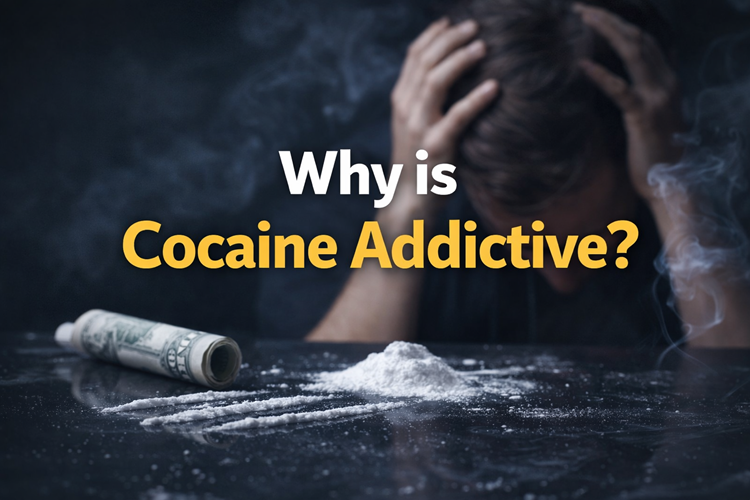
Is Pink Cocaine Addictive?
Yes, Pink Cocaine may be an addictive drug and psychologically and physically. The risk level varies based on the substances contained in a certain batch, although a great portion of mixtures contain drugs that are well-known to provide high levels of addictive properties.
Regular use may disrupt the reward system in the brain which makes one feel cravings, emotional lapses, and incapability to operate without the drug. Due to the limited knowledge of the users about the very substance they are taking, one may become dependent much faster and unpredictably.
What are the Effects of Pink Cocaine?
Pink Cocaine could also vary in its effects, which might be numerous even between single use and other cases. Side effects commonly occurring after the drug are short-term and can include:
- The sensation of hyperactivity or drugginess.
- Anxiety, panic, or paranoia
- Arrhythmia, heart rate acceleration, and high blood pressure.
- Cognitive dissonance or illusion.
- Nausea or overheating
Long-term use has the effects of depression, impaired memory, sleep disorders and irreparable change in mood or behavior.
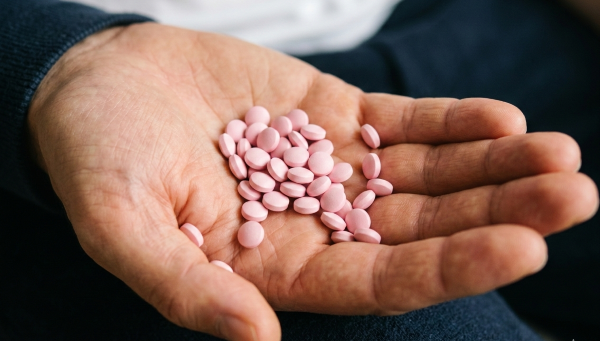
What are the Dangers of Pink Cocaine?
The greatest threat of Pink Cocaine is uncertainty. The fact that there is no standard formula means that the user cannot predict dosage, potency or drug interaction. Use of the stimulants combined with the depressants causes a strain to heart and nervous system, increasing the probability of overdosing.
It can also be contaminated by powerful synthetic drugs such as fentanyl which is fatal even in low dosage. A harmless pink powder may easily be an emergency that leads to death.
How to Help a Loved One with Addiction
When someone who is significant to you is taking Pink Cocaine, it is time to begin with icy and direct conversation. Criticism and condemnation must be avoided. Give less attention to care, protection, and encouragement. Advance professional scrutiny and predominantly when you notice any alteration in mood, secrecy, worsening condition, and binge behavior.
Treatment best occurs when a person is treated in a manner that is integrated with the underlying mental health requirements. Local care with affection can make a huge leap forward particularly where it can get involved at the initial levels.
Contact Palm Coast Treatment Solutions
Battling with Drug and Alcohol Addition? Remember, you are not alone and we are here to help you!

Ready to Take the Next Step?
You do not need to go it alone, especially when your life or that of someone you love is under the influence of Pink Cocaine. The professionals of the Palm Coast Treatment Solutions provide evidence-based and caring services to real human beings rather than labels.
Call now and speak with a confidential admissions specialist and we would like to know what your options are. All this can be changed with early support.
Disclaimer
This content is for informational purposes only and is not intended to replace professional medical advice, diagnosis, or treatment. If you or someone you know is experiencing a substance-related emergency, seek immediate medical attention or call local emergency services.
Frequently Asked Questions (FAQ)
What drugs are the color pink?
Several drugs appear pink, including MDMA tablets, flavored ketamine, and mixtures sold as Pink Cocaine. Color is often added for branding and does not indicate safety, strength, or purity. Pink coloring can be misleading and should never be seen as a sign of lower risk.
What are the other names for cocaine?
Cocaine is commonly called coke, blow, snow, crack (for its smoked form), or Charlie. These names vary by region and culture. Pink Cocaine is not simply another nickname—it usually refers to a different drug mixture entirely.
What drug is a round pink pill?
A round pink pill could be many things, ranging from prescription medications to illicit drugs like MDMA or Pink Cocaine tablets. Without laboratory testing, it’s impossible to know what it contains, which makes use especially dangerous.
What drugs can be mistaken for cocaine?
Substances like ketamine, synthetic stimulants, lidocaine, caffeine powder, or Pink Cocaine can resemble cocaine in appearance. Many are sold deceptively. Visual similarity offers no reliable information about effects or safety.
What is a pink 10 drug?
“Pink 10” often refers to a pink oxycodone 10 mg tablet, a prescription opioid. However, counterfeit pills are common. Illicit versions may contain fentanyl or other substances, dramatically increasing overdose risk.
What color is Adderall pink?
Some Adderall tablets are pink or peach, depending on dosage and manufacturer. Legitimate Adderall is a prescription stimulant. Street pills claiming to be Adderall may be fake and contain unrelated or dangerous substances.
What is the Mexican slang for cocaine?
Common Mexican slang terms for cocaine include “perico,” “nieve,” and “blanca.” Slang varies by region. Pink Cocaine is sometimes called “tusi,” though the term doesn’t guarantee consistent ingredients.
Why is cocaine called Charlie?
“Charlie” comes from the NATO phonetic alphabet, where “C” stands for Charlie. It became popular slang to discreetly reference cocaine in conversation without using the full name.
What is cocaine used for today?
Medically, cocaine has limited use as a topical anesthetic in certain ENT procedures. Outside of healthcare, its use is illegal and associated with serious health, legal, and social consequences. If you or a loved one are struggling, professional cocaine addiction treatment is the most effective way to recover.
Sources
- American Addiction Centers – Emerging Drug Trends
- National Institute on Drug Abuse (NIDA)
- Substance Abuse and Mental Health Services Administration (SAMHSA)