In This Blog:
- Understanding the nature of substance use disorders
- The primary functions of recovery facilities
- Types of support programs available
- The importance of structured environments
- Developing long-term coping strategies
- How to choose the right support center
Curing addiction: the significance of the rehabilitation centers of drug addicts plays a significant role in the process of achieving sustainability of well-being and personal stability. The centers are the basis through which individuals can deal with the physical and psychological aspects of substance use in a safe setting.
These facilities strive to provide the tools which would enable their participants to lead a life free of chemical dependency by providing a mix of supervised detox, behavior therapy and support networks. Requesting clarification on what particular services are offered can make a person and family make knowledgeable decisions on their route to recovery and health advantages in the long run.
Expert Advice: Structured support systems significantly improve the likelihood of maintaining long-term sobriety and wellness.
What is Substance Use Disorder
Substance use disorders are intricate disorders that involve the brain and behavior, which in most cases need professional intervention to control. The recovery is not an isolated event; it is an ongoing process of transformation based on which people enhance their health and well-being.
Rehabilitation centers provide the necessary framework to navigate this process by offering evidence-based interventions. These settings allow for a focused approach to healing, away from the triggers and stressors of daily life that may contribute to substance misuse.
What Are the Stages of Drug Addiction Recovery?
The journey typically begins with a period of stabilization where the body clears itself of substances. This phase is most safely conducted under the supervision of trained professionals who can monitor vital signs and manage discomfort.
Following stabilization, the focus shifts to the psychological drivers of use. Behavioral therapies help individuals identify high-risk situations and develop healthy responses to stress, cravings, and social pressures.
FACT: Professional recovery programs offer essential structure for sustainable lifestyle changes.
What Services Do Drug Rehab Centers Offer?
Rehabilitation centers for drug addicts offer a variety of services tailored to meet the diverse needs of those seeking help. These services are designed to address the whole person rather than just the symptoms of substance use.
Standard offerings include individual counseling, group sessions, and educational workshops. These components work together to build a comprehensive understanding of the factors that lead to addiction and the strategies required to overcome them.
Service Type | Primary Goal | Typical Duration |
Supervised Stabilization | Physical safety during withdrawal | 3 to 7 days |
Residential Support | Intense focus on behavioral change | 30 to 90 days |
Outpatient Programs | Continued support during daily life | Varies by need |

Therapy and Counseling in Drug Rehab
Cognitive Behavioral Therapy (CBT) is frequently utilized to help participants recognize and change negative thought patterns. This approach is highly effective in preventing return to use by teaching practical self-regulation skills.
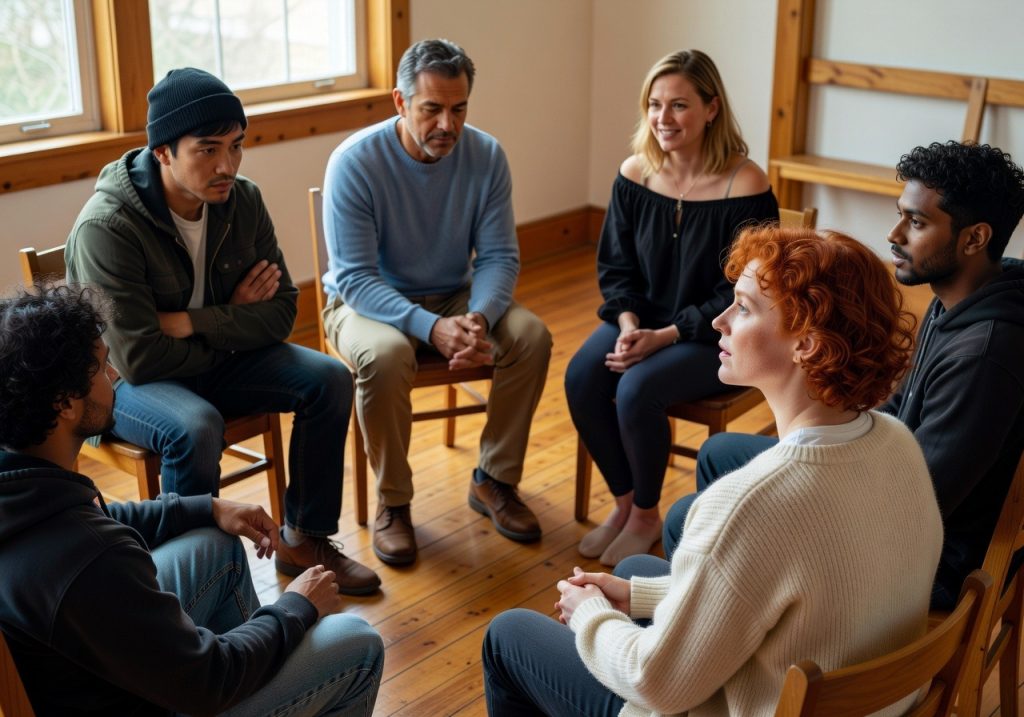
Group therapy provides a sense of community and shared experience, reducing the isolation often felt during recovery. Hearing from others who face similar challenges can offer unique insights and foster a supportive network.
Why Structure Matters in Drug Rehab
A structured daily schedule is a hallmark of effective recovery facilities. This routine helps participants rebuild a sense of order and responsibility, which is often lost during periods of active substance use.
Consistency in meals, sessions, and rest periods supports the brain’s ability to heal and recalibrate. This stability is vital for those who have experienced the chaotic lifestyle often associated with long-term addiction.
How to Choose the Right Drug Rehab Level
Choosing the appropriate level of support depends on the severity of the substance use and the presence of any co-occurring mental health concerns. A thorough assessment by a professional is the first step in this process.
Some individuals may require the intensity of a 24-hour residential program, while others might find success in a high-intensity outpatient setting. The goal is to match the person with the environment that best supports their specific needs.
How Peer Support Helps Drug Recovery
Peer support is an invaluable resource that extends beyond the time spent in a formal program. Connecting with others in recovery provides ongoing accountability and encouragement during the transition back to independent living.
Many centers facilitate introductions to community-based groups like Narcotics Anonymous or SMART Recovery. These organizations offer a lifelong framework for maintaining the gains made during professional treatment.
Treating Mental Health and Drug Addiction Together
It is common for individuals struggling with substance use to also experience anxiety, depression, or other mental health challenges. Addressing these issues simultaneously is crucial for a successful outcome.
Integrated programs ensure that all aspects of a person’s well-being are considered. By treating the underlying mental health concerns, the risk of returning to substance use as a coping mechanism is significantly reduced.
How Nutrition and Exercise Help Drug Recovery
Physical health is a cornerstone of the recovery process. Proper nutrition and regular physical activity help restore the body’s natural balance and improve mood and energy levels.
Many facilities incorporate wellness activities such as yoga, meditation, or fitness programs into their daily schedules. These practices help participants develop a more positive relationship with their bodies and minds.
Wellness Component | Benefit to Recovery | Implementation |
Nutritional Planning | Restores essential vitamins and minerals | Balanced daily meals |
Physical Activity | Reduces stress and improves sleep | Scheduled exercise sessions |
Mindfulness | Enhances emotional regulation | Guided meditation or yoga |
Palm Coast Treatment Solutions offers structured support for those seeking long-term recovery.
How Family Support Helps in Drug Rehab
Substance use affects the entire family unit, not just the individual. Involving loved ones in the recovery process can help repair relationships and create a more supportive home environment.
Family sessions provide a safe space for open communication and education about the nature of addiction. This collaborative approach helps everyone involved understand how to best support the journey toward wellness.
Planning Life After Drug Rehab
The transition out of a structured facility is a vulnerable time that requires careful planning. A comprehensive aftercare plan is essential for navigating the challenges of returning to work, school, or home life.
This plan may include ongoing outpatient therapy, continued participation in support groups, and regular check-ins with a counselor. Having a clear roadmap helps maintain focus and prevents a return to old habits.
Why Long-Term Support Matters in Drug Recovery
Research consistently shows that the longer an individual remains engaged with support services, the better their chances of maintaining long-term sobriety. Continuity of care is a primary focus of modern recovery models.
Whether through transitional living environments or alumni programs, staying connected to the recovery community provides a safety net. This ongoing engagement reinforces the skills learned during the initial phases of support.
How to Manage Drug Cravings and Triggers
Triggers can be people, places, or emotions that spark a desire to use substances. Learning to identify these early is a core component of relapse prevention training.
Participants practice specific techniques to manage cravings when they arise. These might include grounding exercises, reaching out to a support contact, or removing oneself from a high-risk situation immediately.
Handling Legal Issues After Drug Addiction
Navigating the legal or social consequences of past substance use can be overwhelming. Some programs offer assistance or referrals to help individuals resolve these issues as they move forward.
Rebuilding a professional reputation or regaining custody of children are common goals that require time and consistent effort. Structured programs provide the stability needed to address these long-term objectives.
How Drug Rehab Programs Have Improved
The field of addiction support is constantly evolving as new research becomes available. Modern facilities utilize evidence-informed practices that prioritize the dignity and autonomy of the individual.
This shift toward person-centered care ensures that participants are active collaborators in their own recovery. This empowerment is a key factor in building the self-efficacy needed for a self-directed life.
How to Choose a Quality Drug Rehab Center
When researching options, it is important to look for facilities that are accredited and transparent about their methods. Ethical providers prioritize safety and follow established guidelines for professional conduct.
Questions regarding the credentials of the staff, the types of therapies offered, and the nature of the aftercare support are all appropriate. A high-quality program will be happy to provide clear and honest answers.
Holistic Therapy Options in Drug Rehab
In addition to traditional therapies, some people find value in holistic practices that address the spiritual or creative aspects of the human experience. These can include art therapy, journaling, or spending time in nature.
These activities provide alternative outlets for self-expression and stress relief. They complement traditional behavioral interventions by helping individuals find new meaning and purpose in their daily lives.
Life and Job Skills Taught in Drug Rehab
For some, substance use has interfered with the development of basic life skills or career progression. Programs that include vocational support help participants prepare for a successful return to the workforce.
This might involve assistance with resume building, interview preparation, or financial management. Gaining gainful employment is a significant milestone that contributes to a sense of pride and stability.
How Technology Supports Drug Recovery
Telehealth and recovery apps have become increasingly popular as tools for maintaining connection to support. These technologies offer convenient ways to access therapy or track progress between sessions.
While not a replacement for in-person support for everyone, these digital resources provide an additional layer of accountability. They are particularly useful for those living in rural areas or with busy schedules.
How Much Does Drug Rehab Cost
The cost of professional recovery services can vary widely depending on the level of care and the duration of the program. Many insurance plans now cover a significant portion of these costs.
Exploring financial options and verifying insurance coverage is an important part of the planning process. Many centers have dedicated staff to help families navigate these logistics and find a viable path forward.
For information on comprehensive recovery programs, contact Palm Coast Treatment Solutions.
What to Expect on Your First Day in Drug Rehab
The decision to enter a program is often accompanied by anxiety and uncertainty. Knowing what to expect on the first day can help ease these concerns and allow for a smoother transition.
Initial steps usually involve a check-in process, a review of facility rules, and an orientation to the daily schedule. This is the beginning of a dedicated period of self-discovery and growth.
Palm Coast Treatment Solutions provides a structured and supportive environment designed to help individuals navigate the complexities of substance use recovery. The program focuses on evidence-based practices and professional support to foster long-term stability and health without making any guarantees of specific outcomes.
Medical Disclaimer: This article is for informational purposes only and is not a substitute for professional medical advice.
Key Takeaways
- Rehabilitation centers provide a safe environment for physical and psychological stabilization.
- Structured routines and evidence-based behavioral therapies are core components of professional recovery.
- The role of peer support and aftercare planning is vital for maintaining long-term wellness.
- Integrated support addresses both substance use and co-occurring mental health challenges simultaneously.
- Professional assessment is the first step in determining the appropriate level of care for an individual.
FAQs
How long do rehabilitation programs usually last?
The duration of stay varies based on individual needs and the severity of the situation. Common timeframes range from 30 to 90 days for residential support. Some people may transition to outpatient programs for several months afterward to ensure they have continued support while reintegrating into their daily lives.
What happens during a typical day in rehab?
A typical day is highly structured to promote stability and focus on recovery. It usually includes a combination of individual counseling, group therapy sessions, and educational workshops. Time is also allocated for meals, physical activity, and personal reflection, helping participants build healthy routines for their future independent lives.
Can family members visit during the recovery process?
Most facilities encourage family involvement, as it is a crucial part of long-term success. Visitation policies vary by center but often include scheduled family days or therapy sessions. These interactions help repair relationships and educate loved ones on how to provide a supportive environment for the individual returning home.
Is supervised detox the same as full recovery?
Stabilization or detox is only the first step in the recovery journey. It addresses the physical dependence on a substance but does not resolve the underlying psychological or behavioral issues. Long-term wellness requires continued engagement with therapy, support groups, and lifestyle changes to prevent a return to previous habits.
How do I know if a center is right?
The right center should offer a level of care that matches your specific needs and health history. It is important to look for accredited facilities with qualified staff and evidence-informed programs. Asking questions about their approach to therapy and aftercare planning can help you determine if it is a fit.