No. Trazodone is NOT an opioid. It is an antidepressant medication and is sometimes used off-label for sleep. Trazodone has no effects upon opioid receptors, and it is not a federally controlled substance. It is not like the opioids, which have much more risk of addictive side effects.
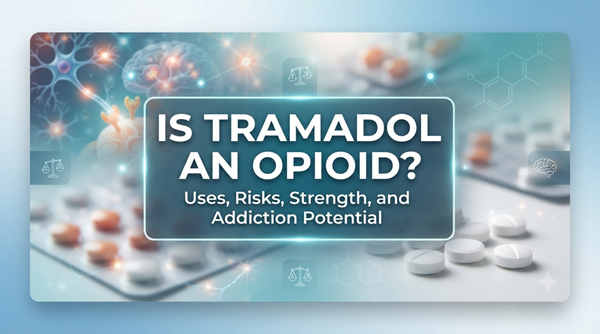
If you’ve been given trazodone, either for sleeping or as a treatment for depression symptoms, and generally have become concerned, you’re not alone in wondering, “Is trazodone an opioid?” It’s a reasonable question. People wonder why trazodone is in the same category as painkillers such as oxycodone because trazodone can cause people to feel calm, sedated, and sleepy. The answer is simply at this moment, no. What trazodone is, how it works, and why it is often mistaken for opioids.
Key Takeaways
- Trazodone is not an opioid – it is an antidepressant and does not impact the brain’s opioid receptors.
- Unlike opioids, which are specifically controlled by the FDA, and as opposed to being classified as controlled substances, trazodone is not.
- Trazodone can be used for an extended period of time without creating dependency (as opioids do); however, it still has the potential to create drowsiness and dizziness.
- Trazodone should not be used in combination with opioids, alcohol, or other sedatives, as this may increase the risk for unwanted or harmful side effects.
However, when you find that sleep and mood medications become difficult without them, Palm Coast Treatment Solutions can assist you in figuring out what’s going wrong.
What is Trazodone?
Trazodone is an antidepressant medicine first approved to treat depression, which could also be used off-label to treat insomnia. It is also used at lower doses to treat insomnia (as you can see, an off-label use for it). It acts by altering the synthesis and breakdown of a brain chemical called serotonin, which is linked to feelings of mood and sleep. Stop taking the medications used to treat opioid abuse, which have a different function in the body than codeine.
Is Trazodone an Opioid?
Therefore, is trazodone a member of the family of opioids? No, it isn’t. Opioids interfere with pain messages in the brain and body by binding to the opioid receptors. Trazodone doesn’t affect those receptors in any way. It is classified under a drug group known as “serotonin antagonists and reuptake inhibitors,” which is used for treating mood and sleep disorders, not for pain. Although both types of drugs may have sedative effects, in part this is why the answer to ” Is trazodone an opioid?” is no.
Trazodone vs. Opioids: What’s the Difference?
Medications such as oxycodone, hydrocodone, morphine, and fentanyl are all classified as opioids. They are used for pain relief and have the potential for addiction and overdose. Many experts believe that Trazodone might not be addictive and that it is suitable for sleep and the treatment of depression. Opioids are a class of federally controlled drugs that have strict prescribing guidelines. Trazodone is not.
Is Trazodone a Controlled Substance?
No. But the FDA does not classify trazodone as a controlled substance because research does not indicate that it causes the drug-seeking behavior associated with opioids and benzodiazepines. There are four schedules of controlled substances, depending on how much they might be abused, and Trazodone is not listed in any of these categories. Another reason that people find themselves searching for trazodone as an opioid is to understand, “Why does it feel sedative or like sleep if it isn’t a narcotic in the pharmacy?
Why Do People Confuse Trazodone With Opioids?
It’s typically confusion related to the feeling of trazodone. It can induce sleepiness, relaxation, and a ‘fuzzy’ feeling like some people report with opioids. However, the sedation produced with this method is brought about by a different mechanism. Trazodone doesn’t result in as euphoric a “high” and has different overdosing potential as a single drug.
Side Effects and Risks of Trazodone
Serious side effects are still possible with trazodone, and this is another area where the question also arises: if trazodone were an opioid, some side effects would be the same as opioid side effects:
- Drowsiness or dizziness, particularly at the beginning of treatment
- Dry mouth and blurred vision
- Headache or nausea
- Symptoms of low blood pressure after standing up suddenly.
- In rare cases, an irregular heartbeat or a very painful erection (priapism).
If someone has been taking trazodone for a long time, he may also experience withdrawal symptoms if he suddenly stops using the drug, such as insomnia, irritability, or nausea. That doesn’t mean it’s an opioid. It means that any drug which affects brain chemistry should be adjusted, not stopped cold, with a doctor’s guidance.
Concerned about the effects of trazodone or any other drug? Palm Coast Treatment Solutions will conduct confidential assessments so you know what you are dealing with and what support may look like. If you need help, contact someone today.

Trazodone for Sleep and Depression
Depression is generally treated with a higher dose of trazodone, which is then taken every day. Doctors will sometimes prescribe a lower dose at night. It is a common off-label drug for insomnia that is less addictive than benzodiazepines. However, less addictive does not mean “risk-free,” particularly if it is used in conjunction with other drugs and alcohol.

When Trazodone Use Becomes a Concern
Also, remember that trazodone is not classically addictive; it’s not like if you’re a person who’s thinking about if you take trazodone, are you going to turn into an addict? No. But if you find yourself needing the same sleep aid night after night or you find that you can’t function if you don’t, it’s time to discuss it with a provider.
Be on the lookout for such indications as requiring more to feel the same impact, becoming anxious when you don’t take it, or combining it with alcohol or another sedative to make it more powerful. However, don’t infer anything from this or assume you did something wrong. All it really means is that you should go talk to someone.
Getting Help at Palm Coast Treatment Solutions
If trazodone (or perhaps a mix of medications) is merely part of a more extensive treatment plan you’re worried about, however, Palm Coast Treatment Solutions provides you with examinations, treatment, and therapies that rely on your entire treatment plan and not just one medication.
Please don’t wait too long. Palm Coast Treatment Solutions can give you answers about medication, as well as substance use, given without stigma or judgment. Book a complimentary consultation today.
Frequently Asked Questions
Is trazodone just like Xanax?
No. Xanax is a benzodiazepine that calms anxiety fast and carries a higher risk of dependence. Trazodone is an antidepressant with sedating effects, used differently and considered less habit-forming.
What cannot be taken with trazodone?
Avoid combining trazodone with MAOIs, other serotonergic drugs, opioids, or alcohol, since these raise the risk of serotonin syndrome, excess sedation, or dangerous breathing and heart effects. Always check with a doctor first.
What class of drug is trazodone?
Trazodone is a serotonin antagonist and reuptake inhibitor (SARI), a type of antidepressant. It’s chemically and functionally different from opioids, benzodiazepines, and most other sleep medications.
Can trazodone make you fail a drug test?
Standard drug tests don’t typically screen for trazodone, and it’s not expected to cause a false positive for opioids on most panels. Still, always disclose all medications before testing.
Why do I feel so good on trazodone?
Trazodone can ease depression and anxiety while promoting restful sleep, which often brings real relief. That improved mood and rest, not a euphoric high, is usually behind the “good” feeling.
What drug is closest to trazodone?
Nefazodone is chemically similar to trazodone, though it’s used far less often today. Other antidepressants used for sleep, like mirtazapine, work differently but serve a similar off-label purpose.
What is the biggest side effect of trazodone?
Drowsiness is the most common side effect, which is part of why it’s prescribed for insomnia. Dizziness and low blood pressure upon standing are also frequently reported concerns.
Is it bad to take trazodone every night for sleep?
Long-term nightly use should be monitored by a doctor, since tolerance and mild withdrawal symptoms can develop. It’s not considered dangerous for most people, but it isn’t meant to be permanent without follow-up.
Which is better, Zoloft or trazodone?
It depends on the goal. Zoloft (sertraline) targets depression and anxiety over time, while trazodone is often used for sleep alongside depression treatment. A provider can help match the medication to your symptoms.
Medical Disclaimer: This content is for informational purposes only and is not intended as a substitute for professional medical advice, diagnosis, or treatment. Never start, stop, or change a medication without talking to a qualified healthcare provider. If you are in crisis, call or text 988 (Suicide & Crisis Lifeline).
References:
- Drugs.com. “Is Trazodone a Controlled Substance or Narcotic?” https://www.drugs.com/medical-answers/trazodone-controlled-substance-3561217/
- U.S. Food and Drug Administration (FDA). “DESYREL (trazodone hydrochloride) Prescribing Information.” https://www.accessdata.fda.gov/drugsatfda_docs/label/2017/018207s032lbl.pdf
- U.S. Drug Enforcement Administration (DEA). “Drugs of Abuse Resource Guide.” https://www.dea.gov/drug-information/drug-scheduling