Suboxone withdrawal symptoms typically start around 24 hours after the last dose. Physical symptoms can be most profound within the first 72 hours and may clear up within 1-2 weeks. These cravings, or different sleep issues and/or mood manifestations, may last for weeks and even longer.
When it comes to the question of “How long does suboxone withdrawal last?” the answer tends to vary around several weeks, but that is a duration unique to each individual. Since Suboxone contains buprenorphine, which is a longer-acting opioid drug, the withdrawal process may begin later and last longer than some other short-acting opiate drugs. A variety of factors such as dose, duration of use, other health conditions, and use of other substances can affect the experience.
Key Takeaways
- The effects of Suboxone can begin approximately 24 hours after the last dose; at this point, the body may start to experience withdrawal symptoms.
- This is usually the first 72 hours after onset that symptoms are most noticeable.
- Symptoms of the disease can get a lot better within approximately 7–10 days.
- Sleep problems, mood changes, and cravings may last for weeks.
- When an individual stops taking Suboxone abruptly, it can make the withdrawal more difficult to handle.
- A taper dosage that is medically supervised can help to minimize discomfort and aid continued recovery.
- It is important to remember that withdrawal management is not a complete treatment of an opioid use disorder.
There isn’t a single answer to the question about how long Suboxone withdrawal lasts. Some start feeling much better after about 1 week; others may still have symptoms after weeks. Never change your Suboxone dose without first consulting your doctor who gave you the prescription.
What is Suboxone Withdrawal?
Suboxone is a prescription drug that consists of buprenorphine and naloxone. Buprenorphine works to decrease opioid cravings and symptoms of withdrawal for individuals who have an opioid use disorder. The body can get used to taking buprenorphine, and you may experience withdrawal symptoms when you suddenly stop using buprenorphine that you were using regularly. Being physically dependent does not necessarily mean that the person feels compelled to continue taking a drug.
Suboxone withdrawal occurs when the brain and body have become accustomed to buprenorphine. The nervous system requires time to re-adjust to the sudden decrease and/or cessation of the medication. This can cause physical discomfort, disrupted sleep, anxiety, irritability, low mood, and cravings. Weaning under supervision may be less stressful than trying to stop altogether.
What Are the Symptoms of Suboxone Withdrawal?
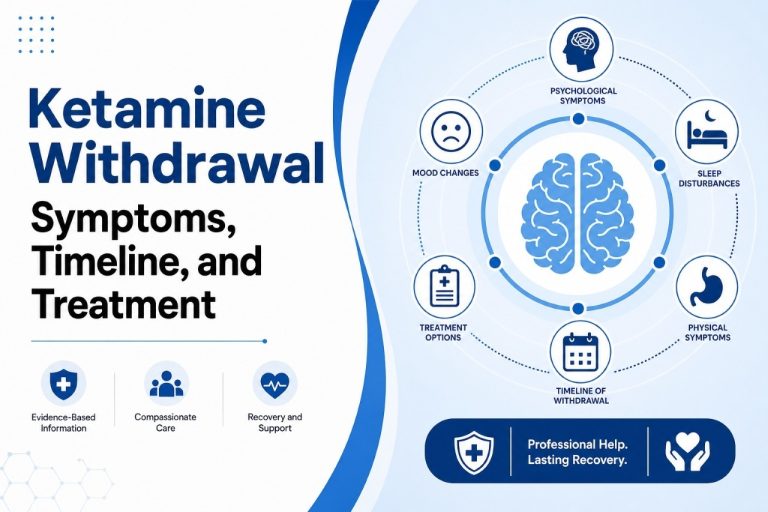
Some of the most common symptoms of withdrawal from Suboxone are muscle pain, headache, sweatiness, cold and clammy skin, nausea, vomiting, stomach cramps, diarrhea, insomnia, tiredness, anxiety, irritability, and mood changes. During the process of coming off the drug, the craving may increase. Some symptoms may not occur or may happen differently for each person.
Mental and emotional symptoms are important as well. People who have ceased taking Suboxone may feel depressed and agitated and have trouble sleeping or concentrating. These symptoms may make recovery more difficult, especially if the person has anxiety, depression, trauma, and/or another mental health issue. Professional assistance can be used to determine whether the symptoms are withdrawal-related or if they need to be treated separately.
Transparency note – Withdrawal times listed are estimates and not guaranteed. It takes longer depending on the amount of medicine or length of treatment, health factors, and other drugs taken.
Overcome Addiction with Palm Coast Treatment Solutions.
Book an appointment.
How Can Suboxone Withdrawal Symptoms Be Reduced?
The best thing to do is to never discontinue Suboxone all at once without the care of a doctor. Your prescriber can review your treatment history and decide if it would be preferable to continue on the treatment, increase or decrease the dose, or wean off them slowly. A single tapering program won’t apply to all, and the program will be individual to you.
Simple supportive treatments also may help. Drink plenty of fluids, eat small, frequent nutritious meals, rest, be active (without fatigue or strain), and interact with others. Counselling can be used to deal with the cravings and emotional symptoms. When withdrawal becomes overwhelming, reach out to your healthcare provider; don’t go back to opioid use independently.
Suboxone Withdrawal Timeline: How Long Do Symptoms Last?
But how long does Suboxone withdrawal last? It usually starts within approximately 24 hours after taking the last dose, but it can be different. According to Drugs.com, physical symptoms may be most prominent within the first 72 hours and last around 10 days. In the first week, there may be muscle aches, sleep difficulties, and mood changes.
In the 2nd week, you might no longer have any physical symptoms, but depression, sleep disturbances, or cravings may persist. Craving and mood symptoms can persist for a month or longer in some. This doesn’t imply the demise of recovery. It indicates that the brain and body might require more time and assistance to adjust.
An easy timeline would be:
- After the first 24 hours, withdrawal could occur.
- Physical symptoms might be the most intense at the first 72 hours.
- Days 4-10: A large number of physical symptoms slowly resolve.
- Week 2: Mood and sleep symptoms may remain.
- Weeks 3-4+: Some people may experience cravings and/or emotional symptoms.
What Does the Evidence Tell Us?
According to the American Addiction Centers’ medically controlled guidance report, withdrawal symptoms from Suboxone could last as long as one month, while Drugs.com also says that the withdrawal process is generally a month or so long but varies from case to case. Both point to the issue of length of time as also having to do with dose amount and use.
According to SAMHSA, buprenorphine helps manage cravings and withdrawal symptoms from opioids, and treatment duration should be tailored to the individual’s needs. Buprenorphine can be used for a longer period when it proves to be helpful in recovery.

“Am I addicted?” Self-Assessment
Just because a person takes Suboxone does not imply that he or she is addicted. Physical dependence may occur after the consistent use of a drug or alcohol, while addiction is a persistent desire to use a drug or alcohol even when it causes harm. When it comes to whether you can or should continue to have a relationship with Suboxone or any other opioids, a professional assessment might be the answer rather than a self-assessment.
If you are engaging in any of these risk behaviors, including taking a drug or medicine more frequently than prescribed, not feeling in control of your drug use, spending a lot of time getting and using drugs, continuing to use drugs even when it causes big problems, or being very interested in a drug or medicine, so much so that you take it even if taking drugs isn’t safe, talk with a health care provider. These concerns are not to be judged but supported.
Therapeutic Support and Recovery
It is important to understand that withdrawing from opioids is a step of recovery and nothing more. ASAM guidance is drawn to the point that withdrawal management alone is not an effective treatment for OUD. It may be appropriate for the person to continue medication use, counseling, behavioral support and planning for relapse prevention.
Additionally, therapy can help to determine the factors that contributed to substance use becoming out of control in the first place. Other factors such as anxiety and depression, trauma history, relationship problems, stress and distress, or unresolved emotional pain can all affect recovery. By targeting challenges in combination with substance use, it can be easier to build healthy habits and avoid the use of opiates in response to needs.
Need Help Managing Suboxone Withdrawal?
Withdrawal doesn’t have to be done by yourself. Palm Coast Treatment Solutions can educate you about your options for addiction treatment, withdrawal support and ongoing recovery in Palm Coast.
Please contact Palm Coast Treatment Solutions today to talk about issues and the next steps toward recovery.
How to Cope With Withdrawal Symptoms
Understand what to expect when you go through withdrawal, for it may seem less fearsome. Try to follow as much as possible the usual daily routine, get plenty of fluids, eat if possible, rest, and do not isolate yourself. They can also help you lessen stress and cravings as your body works its way through the process of adapting, with gentle exercises, breathing techniques, discussion and therapy.
The keys, however, are not to consider withdrawal to be a purity test. If symptoms get worse or out of control, see a health care provider. Going back to using opioids after you’ve taken a break in use may pose an overdose risk, as tolerance may have decreased. This risk can be lowered by continued treatment and support in preventing relapses.

Get Support for Suboxone Withdrawal in Palm Coast
When researching Suboxone withdrawal time, you aren’t in this alone if you’re thinking of stopping your treatment. Although withdrawal can be uncomfortable, the guidance of professionals can give you clarity about the choices available as well as minimize unnecessary risks.
Palm Coast Treatment Solutions offers addiction treatment assistance for people and households that experience drug use. If you are looking for information on withdrawal, information on treatment, or planning the next step in your recovery process, it’s important to reach out, as this is a positive first step.
Call Palm Coast Treatment Solutions today to find out more about Suboxone withdrawal support and addiction treatment in Palm Coast.
FAQs About Suboxone Withdrawal
How long does Suboxone detox last?
The answer depends on the person and the treatment plan. Acute withdrawal symptoms may be strongest during the first several days and improve over one to two weeks, while cravings or emotional symptoms can last several weeks or longer.
Can you stop Suboxone cold turkey?
Stopping Suboxone suddenly can cause uncomfortable withdrawal and may increase the risk of returning to opioid use. Talk with your prescriber before changing your dose. A personalized taper or continued medication treatment may be safer and more appropriate.
Is Suboxone withdrawal dangerous?
Opioid withdrawal is usually extremely uncomfortable but is not generally considered as medically dangerous as alcohol or benzodiazepine withdrawal. However, dehydration, severe symptoms, relapse, and overdose after tolerance decreases can create serious risks. Medical support is recommended when needed.
Why does Suboxone withdrawal last so long?
Buprenorphine is long-acting and remains in the body longer than many short-acting opioids. Its long duration can delay withdrawal and make symptoms last longer. Individual metabolism, dose, treatment duration, and other health factors also influence the timeline.
Can Suboxone cause depression during withdrawal?
Depressed mood can occur during Suboxone withdrawal, particularly during the first several weeks. If depression becomes severe, persistent, or includes thoughts of suicide or self-harm, seek immediate professional help rather than trying to manage it alone.
What are 5 warning signs of addiction?
Five common warning signs include loss of control over substance use, intense cravings, continued use despite harm, neglecting responsibilities, and spending significant time obtaining or recovering from substance use. A professional assessment can determine whether these signs indicate a substance use disorder.
How has my addiction caused me to hurt myself or others?
Addiction can contribute to damaged relationships, financial problems, unsafe decisions, emotional distress, accidents, or self-harm. If substance use has led to injuries or thoughts of harming yourself or someone else, seek immediate professional help and avoid being alone.
Why should I stop cutting?
Cutting can provide temporary emotional relief but can cause serious injury, infection, scarring, or accidental life-threatening bleeding. If you are cutting yourself, tell someone you trust and contact a mental health professional. If you are in immediate danger, call emergency services or 988.
What to do if you cut yourself?
For a minor cut, apply gentle pressure with clean material to control bleeding and keep the wound clean. For severe bleeding, deep wounds, or injuries that will not stop bleeding, seek emergency medical care immediately. Emotional support is also important.
What are the 8 behavioral warning signs of addiction?
Behavioral warning signs can include secrecy, withdrawing from loved ones, neglecting responsibilities, sudden changes in social groups, risky behavior, financial problems, repeated attempts to quit, and continued substance use despite consequences. These signs warrant a professional substance use assessment.
What are 10 coping skills that can help with addiction recovery?
Helpful coping skills include exercising, journaling, breathing exercises, attending therapy, calling a supportive person, avoiding triggers, maintaining a routine, practicing mindfulness, attending recovery meetings, and developing healthy hobbies. The best combination depends on your needs and recovery goals.
What are some signs that a loved one might have an addiction?
Possible signs include unexplained behavior changes, secrecy, financial problems, missed responsibilities, withdrawal from family, changes in appearance, frequent substance-related concerns, and continued use despite consequences. Avoid confrontation or shame and encourage a compassionate conversation about professional help.
How can I break the cycle of addiction?
Breaking the cycle usually involves more than simply stopping substance use. A comprehensive plan may include medical treatment, counseling, relapse prevention, mental health care, supportive relationships, and changes to routines or environments that repeatedly trigger substance use.
How can I help someone with addiction and depression?
Encourage the person to seek professional care for both conditions, listen without judgment, and help them access treatment. If they mention suicide or self-harm, take it seriously. In the U.S., call or text 988 for immediate crisis support.
Disclaimer
This article is for educational purposes only and does not replace medical advice, diagnosis, or individualized treatment. Do not abruptly stop, reduce, or change Suboxone or any other prescribed medication without speaking with your healthcare provider. Withdrawal varies between individuals, and the information provided here describes general patterns rather than a guaranteed timeline.
If you experience severe symptoms, difficulty staying hydrated, confusion, chest pain, trouble breathing, severe depression, suicidal thoughts, or thoughts of harming yourself or someone else, seek immediate medical attention. In the United States, call or text 988 for the Suicide & Crisis Lifeline when experiencing a mental health or suicide-related crisis.
Expert References and Sources
- Substance Abuse and Mental Health Services Administration (SAMHSA): Buprenorphine information and treatment guidance. SAMHSA: Buprenorphine for Opioid Use Disorder
- American Society of Addiction Medicine (ASAM): Evidence-based clinical guidance for opioid use disorder and withdrawal management. ASAM National Practice Guideline
- Drugs.com: Medically reviewed information on Suboxone withdrawal duration and symptoms. Drugs.com: How Long Does Suboxone Withdrawal Last?
- American Addiction Centers: Medically reviewed information on Suboxone withdrawal, symptoms, and timelines. American Addiction Centers: Suboxone Withdrawal
- 988 Suicide & Crisis Lifeline: Immediate crisis support for people experiencing suicidal thoughts or emotional crisis. 988 Lifeline