If you are reading this right now, there’s a good chance that something has changed. Perhaps your body was a stranger to you when you woke up. Maybe a doctor’s appointment scared you. Perhaps you are praying for someone you know and wonder if it’s too late.
It is not too late. But the answer to your question is more hopeful than you might expect.
The answer is yes, there are various ways to reverse the effects of alcohol on your body and brain. Not all of them and not slowly, but not everyone knows how far. The body is extremely resilient, and science now more than ever states that the earlier you quit drinking, the more of yourself you can restore. This guide will take you through the effects of alcohol on each of the major organ systems, what healing will look like, and what you can do next.
What Alcohol Does to Your Body Over Time
Alcohol intake is not the only thing that can impact your mood. Alcohol is medically considered a toxin, and drinking regularly for months and years comes with a high cost.
Here is a breakdown of what chronic alcohol use damages:
- Liver: Fatty liver disease, alcoholic hepatitis, fibrosis, and eventually cirrhosis
- Brain: Tissue shrinkage, memory loss, disrupted neurotransmitters, and increased dementia risk
- Heart: High blood pressure, irregular heartbeat (arrhythmia), and weakened heart muscle
- Nervous system: Peripheral neuropathy, numbness, tingling, and coordination problems
- Immune system: Greater vulnerability to infections, slower healing
- Cancer risk: The U.S. Surgeon General’s 2025 advisory confirmed alcohol is a direct cause of at least seven types of cancer
- Pancreas:Toxic byproducts trigger inflammation and disrupt digestion
According to the National Institute on Alcohol Abuse and Alcoholism (NIAAA), alcohol is solely responsible for over 200 health conditions listed in the International Classification of Diseases.
How much damage accumulates depends on how long and how heavily you have been drinking, your age, your genetics, and your overall health baseline.
Can You Actually Reverse Alcohol Damage?
Yes, partially, and in many cases significantly.
A 2021 study published in Alcohol Research confirmed that even after years of heavy drinking, the liver retains a remarkable regenerative capacity. Brain research shows that neuroplasticity, the brain’s ability to rewire and rebuild neural pathways, continues into adulthood and plays a direct role in recovery.
The most important factor in all of it? Stopping alcohol completely.
Every organ system begins healing the moment you remove alcohol from the equation. The timeline varies by organ and by the severity of existing damage, but the trajectory is almost always upward once sobriety begins.
Reverse Alcohol Effects on the Brain
How Alcohol Harms Your Brain
Chronic heavy drinking causes real, measurable structural damage to the brain. Specifically:
- Shrinkage of brain tissue (cerebral atrophy), especially in the frontal cortex and cerebellum
- Memory loss and blackouts from damage to the hippocampus
- Disrupted dopamine, serotonin, and GABA levels that affect mood and behavior
- Wernicke’s encephalopathy from thiamine (Vitamin B1) deficiency, causing confusion and coordination loss
- Korsakoff’s psychosis, a severe memory disorder that can become permanent
- Elevated risk of dementia, seizures, and stroke
What Brain Recovery Looks Like
The brain’s ability to heal surprises many people. Research consistently shows meaningful recovery is possible.
Expert Insight: Neuropsychiatry researchers at Stanford University found that within just two weeks of abstinence, recovering individuals show measurable improvements in brain functioning, which may support stronger insight and a greater ability to maintain sobriety going forward.
Here is what the research tells us about brain recovery after quitting alcohol:
- 2 weeks: Brain shrinkage begins reversing; measurable improvements in cognitive function appear
- 4 to 8 weeks: Gray matter starts recovering; memory and concentration begin improving
- 3 to 6 months: Processing speed, emotional regulation, and focus continue to rebuild
- 1 to 2 years: Full structural brain recovery is possible with sustained abstinence
- 5 to 7 years: The NIH confirms that the most significant recovery occurs in the first year, with improvements continuing for years beyond that
One important caveat: neurons lost in the frontal cortex and cerebellum do not regenerate once destroyed. This is why getting help sooner, rather than later, makes a real difference.
Reverse Alcohol Effects on the Liver
The Three Stages of Alcohol Use:
Fat builds up in liver cells. This is the earliest stage and is fully reversible with complete abstinence and dietary changes, often within weeks to months. According to the NIAAA, about 90% of heavy drinkers develop fatty liver.
Stage 2: Alcoholic Hepatitis: Inflammation develops throughout the liver. Mild cases can improve significantly with sobriety and proper nutrition. Severe cases may lead to permanent scarring even with intervention.
Stage 3: Cirrhosis: Extensive scar tissue forms and cannot be reversed. However, stopping alcohol at this stage still matters. It prevents further deterioration, significantly extends life expectancy, and improves quality of life.
Clinical Perspective: According to a review in the journal Alcohol Research, “Even after years of heavy alcohol use, the liver has a remarkable regenerative capacity and, following alcohol removal, can recover a significant portion of its original mass and function.”
Alcohol Liver Recovery Timeline
Timeframe | What Happens in the Liver |
Hours after quitting | The liver begins clearing alcohol and toxins |
2 to 3 weeks | Liver enzyme levels show measurable improvement |
1 to 2 months | Fatty liver disease can be fully reversed |
3 to 6 months | Early-stage fibrosis begins to reverse |
6 to 12 months | Significant reduction in inflammation and enzyme levels |
Call today and To learn more about evidence-based alcohol addiction treatmentTo learn more about evidence-based alcohol addiction treatment.
Reverse Alcohol Effects on Heart Health
Heavy drinking raises blood pressure, weakens the heart muscle, and disrupts heart rhythm. The good news is that cardiovascular damage is among the more reversible effects of alcohol when caught in time.
Research shows that alcohol-induced high blood pressure can begin improving within three weeks of quitting. In cases of alcoholic cardiomyopathy, a weakening of the heart muscle caused by long-term alcohol use, abstinence combined with appropriate cardiac care can lead to meaningful recovery, particularly in early to mid-stage cases.
Research Finding: A study cited by the Journal of the American College of Cardiology found that alcohol-related damage to the heart can be partially reversed with sustained abstinence, especially when heart failure therapies are incorporated early in the recovery process.
Short vs. Long-Term Effects of Alcohol
Short-Term Alcohol Effects That Reverse Quickly
These are effects from a recent episode of drinking. They typically resolve within hours to days:
- Impaired coordination and slurred speech
- Nausea, vomiting, and dehydration
- Cognitive fog and reduced reaction time
- Drowsiness and disrupted sleep
Hydration, sleep, and a nutritious meal help your body recover faster from a recent episode. But these quick recoveries do not undo deeper, accumulated damage.
Long-Term Alcohol Effects Harder to Reverse
These require structured medical care and sustained sobriety to address:
- Liver fibrosis or cirrhosis
- Cognitive impairment and memory deficits
- Peripheral neuropathy (nerve damage causing numbness or weakness)
- Heart disease and arrhythmia
- Chronic deficiencies in thiamine, B12, folate, magnesium, and zinc
Alcohol Damage: You Cannot Reverse
Honesty matters here. Some effects of long-term alcohol use are permanent:
- Cirrhosis: Extensive liver scarring cannot be undone, only halted
- Korsakoff’s psychosis: This severe memory disorder is often irreversible
- Certain neuron death: Brain cells lost in the frontal cortex and cerebellum are not replaced
- Some cognitive deficits: With severe, prolonged abuse, a degree of impairment may persist despite recovery
Even in these cases, stopping alcohol prevents further deterioration and substantially improves daily functioning and quality of life.
Steps to Reverse Alcohol Effects on Your Body
Recovery is not one decision. It is a series of deliberate steps, ideally with professional support guiding you through each one.
Step 1: Stop Drinking Completely
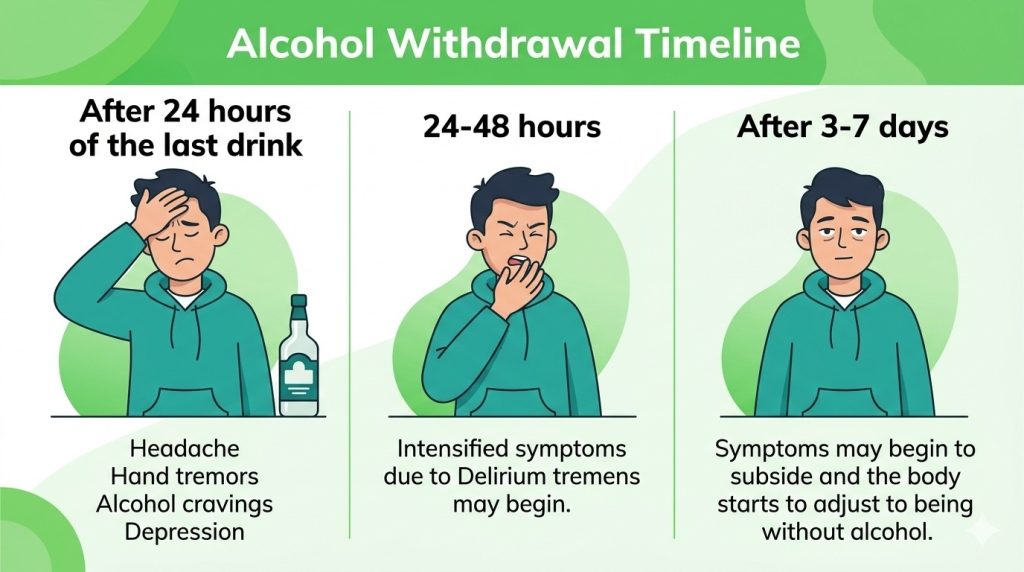
No organ system can heal while alcohol is still entering the body. If you have been drinking heavily, medical supervision during withdrawal is critical. Alcohol withdrawal can become life-threatening, involving seizures and a condition called delirium tremens. Never attempt to detox alone after heavy, prolonged use.
Step 2: Get Professional Medical Treatment
Alcohol use disorder is a medical condition with evidence-based treatments. Options include:
- Medical detox for safe withdrawal management under clinical supervision
- Residential treatment for immersive, structured recovery support
- Intensive Outpatient Programs (IOP) for flexibility with consistent therapeutic structure
- Partial Hospitalization Programs (PHP) for step-down care after residential treatment
- Medication-Assisted Treatment (MAT) using medications like naltrexone or acamprosate
- Dual diagnosis treatment for co-occurring mental health conditions like anxiety or depression
Step 3: Address Nutritional Deficiencies
Alcohol depletes the body of nutrients critical to recovery. Prioritize:
- Thiamine (Vitamin B1) to prevent or address Wernicke’s encephalopathy
- B12, folate, magnesium, and zinc to restore depleted reserves
- Lean proteins, vegetables, fruits, and whole grains to support cellular repair throughout the body
Step 4: Use Exercise to Support Brain Recovery
Physical activity stimulates neurogenesis, the growth of new brain cells, and helps rebalance dopamine levels disrupted by alcohol. Even moderate movement like walking, yoga, or swimming produces measurable benefits for mood, cognitive function, and liver health.
Research Note: A University of Colorado Boulder study, co-sponsored by the National Institute on Drug Abuse and the NIAAA, found evidence that exercise may buffer against, or even partially undo, some of the brain damage caused by heavy alcohol use.
Step 5: Fix Your Sleep to Accelerate Healing
Alcohol severely disrupts REM sleep, the stage of sleep where the brain repairs and consolidates memory. As sobriety extends, sleep quality improves significantly, and better sleep accelerates recovery across every organ system.
Step 6: Build a Long-Term Support System
Recovery is not a solo journey. Cognitive Behavioral Therapy (CBT) and Dialectical Behavior Therapy (DBT) address the psychological roots of addiction alongside the physical damage. Family therapy helps repair relationships and builds a support structure at home. Peer support groups like AA and SMART Recovery provide community accountability.
Clinical Insight: Recovery research consistently shows that whole-person treatment, combining medical detox, evidence-based therapy, nutritional rehabilitation, and family involvement, produces the most durable long-term outcomes for people recovering from alcohol use disorder.

Start Alcohol Treatment with us
If you or someone you love is ready to take the first real step, Palm Coast Treatment Solutions is here to help. Located in Palm Coast, Florida, Palm Coast Treatment Solutions provides a full continuum of individualized, evidence-based care in a compassionate, supportive environment built for genuine healing.
From medically supervised detox that manages withdrawal safely, to Intensive Outpatient Programs that fit around your life, to Partial Hospitalization Programs for those who need more structured daily support, Palm Coast Treatment Solutions meets you exactly where you are.
Their clinical team uses proven therapies, including CBT, DBT, trauma therapy, and holistic therapy, to support recovery at every level, physically, mentally, and emotionally. Families are included in the process through dedicated family therapy because addiction does not affect just one person.
Most major insurance plans are accepted. The admissions process is simple, confidential, and designed to get you or your loved one into care quickly.
Call (386) 284-4151 or reach out online today to speak with the team.
Disclaimer
This content is for informational purposes only and does not constitute medical advice. For personalized guidance, please consult a licensed healthcare provider or addiction specialist. To learn more about evidence-based alcohol addiction treatment, visit palmcoastts.com or call (386) 284-4151.
References
- National Institute on Alcohol Abuse and Alcoholism (NIAAA) — Alcohol’s Effects on the Body
- NIAAA — Alcohol and the Brain: An Overview
- National Institutes of Health (NIH) — Alcohol Use Disorder: DSM-5 Diagnostic Criteria
- Cleveland Clinic — How Long Does It Take Your Liver to Detox From Alcohol?
- U.S. Surgeon General Advisory — Alcohol and Cancer Risk (2025)
- Alcohol Research Journal — Liver Regeneration and Recovery
- Mayo Clinic — Alcohol Use Disorder: Symptoms and Causes
- National Library of Medicine — Neuroplasticity and Alcohol Recovery
- Palm Coast Treatment Solutions — Alcohol Addiction Treatment
FAQs
Can you fully reverse the effects of alcohol on the body?
Not always fully, but significantly in many cases. The liver and heart have strong regenerative capacity, especially when damage is caught at early to mid-stage. The brain can rewire through neuroplasticity. However, advanced cirrhosis, Korsakoff’s psychosis, and certain neuron death are largely permanent. The earlier you stop drinking, the more you can recover.
How long does it take to reverse alcohol damage?
It depends on the organ and the severity of damage. Fatty liver can reverse in one to two months. Blood pressure can normalize within three weeks. Brain fog and cognitive function start improving within weeks of sobriety. Full brain structural recovery can take one to two years. The NIH confirms recovery continues for five to seven years of complete abstinence.
What happens to your body after 30 days without alcohol?
Within 30 days of quitting, most people experience significantly better sleep, reduced liver inflammation, improved blood pressure, clearer thinking, more stable mood, and noticeable reductions in bloating and puffiness. Liver enzyme levels begin returning to normal ranges, and early-stage fatty liver disease often starts reversing completely.
Can the brain recover from years of heavy drinking?
Yes, to a meaningful degree. The brain begins reversing shrinkage within two weeks of quitting. Gray matter starts recovering within the first month. Memory, focus, and emotional regulation improve over subsequent months. Some recovery continues for five to seven years. The exception is neurons already lost in the frontal cortex and cerebellum, which do not regenerate.
What are the first signs your liver is healing from alcohol?
Common early signs include reduced abdominal discomfort or bloating, improved energy levels, clearer skin and eyes with less yellowing, normalized appetite, and improved digestion. Blood tests will typically show improved liver enzyme levels within two to four weeks of stopping alcohol.
Is alcohol-related brain damage permanent?
Some of it can be. Korsakoff’s psychosis is often permanent. However, many forms of alcohol-related cognitive impairment, including memory problems, poor concentration, and emotional instability, can improve substantially with sustained sobriety, proper nutrition, and professional treatment.
Can you reverse alcohol damage without going to rehab?
Mild damage may improve with complete abstinence and lifestyle changes alone. However, moderate to severe alcohol use disorder typically requires professional medical support, particularly for safe withdrawal management, nutritional rehabilitation, and treating co-occurring mental health conditions. Attempting to quit alone after heavy long-term use can be medically dangerous.
Does drinking water help reverse alcohol’s effects?
Hydration supports liver and kidney function and helps your body flush toxins during early recovery. However, it does not reverse structural damage on its own. Think of hydration as one supportive piece of a larger recovery process that includes medical treatment, nutrition, therapy, and sustained sobriety.
Can alcohol damage the liver permanently?
Yes, in advanced cases. Cirrhosis, the final stage of alcohol liver disease, causes permanent scarring that cannot be reversed. However, stopping alcohol at any stage slows or halts further progression and can substantially extend life expectancy. Earlier stages, including fatty liver and alcoholic hepatitis, are reversible with proper care and complete abstinence.
How much alcohol causes permanent damage?
There is no universally safe threshold. Damage accumulates with regular heavy use over time, but even moderate, habitual drinking increases health risks. Risk is higher for women, people with certain genetic variants, older adults, and those with existing health conditions.
Does insurance cover alcohol damage treatment?
Yes. Under the Mental Health Parity and Addiction Equity Act (MHPAEA), most insurance plans are legally required to cover alcohol use disorder treatment at the same level as other medical conditions. This includes detox, residential programs, outpatient care, and medication-assisted treatment. Contact Palm Coast Treatment Solutions at (386) 284-4151 to verify your benefits quickly.
When should I seek help for alcohol damage?
Seek professional help if you are unable to stop drinking despite wanting to, if you experience withdrawal symptoms like shaking or sweating, if you notice liver symptoms like yellowing skin, or if alcohol is affecting your work, relationships, or memory. The earlier you seek treatment, the more reversible the damage. But it is never too late to start.