How does rehab work for drug addicts? It’s one of the most common questions people ask when they or someone they love is struggling with addiction. Drug rehabilitation is a structured treatment process that helps people stop using drugs, manage withdrawal, understand what’s driving the addiction, build healthier coping skills, and put together a long-term recovery plan.
At Palm Coast Treatment Solutions, every plan is built around the individual, since recovery doesn’t look the same for any two people. This guide walks through what that process actually involves, step by step.
Key Takeaways
- Rehab treats both the addiction and its underlying causes, not just the drug use itself.
- Every treatment plan is built around a person’s specific medical and psychological needs.
- Detox is only the first step, not the complete treatment.
- Therapy helps people understand their addiction and build healthier patterns of behavior.
- Family involvement often improves recovery outcomes.
- Aftercare planning reduces the risk of relapse after formal treatment ends.
- Recovery is a long-term process that continues well past the program itself.
Understanding Drug Addiction
Drug addiction is a chronic condition that affects the brain, behavior, emotions, relationships, and physical health. Repeated drug use changes how the brain responds to reward over time, which is exactly why stopping becomes so difficult without professional support.
Many people keep using even as they face real health problems, financial strain, job loss, legal trouble, family conflict, anxiety, or depression. Professional rehabilitation treats these challenges together, rather than narrowly targeting the drug use and leaving everything else unaddressed.
100% Confidential Support is Available 24/7
No matter what you’re going through, you’re not alone. Our dedicated team is here to provide a safe, judgment-free space where you can talk openly and honestly. Whether you need emotional support, resources, or just someone to listen.
We’re here for you—completely confidential and always respectful of your privacy. Call us today!
How Does Rehab Work for Drug Addicts?
Rehab follows a structured process built to help someone safely stop using drugs while learning how to live without depending on them. Every program looks a little different, but most rehabilitation centers move through the same core stages.
Comprehensive Assessment
Treatment starts with a full evaluation covering drug use history, medical conditions, mental health, family history, prior treatment experience, lifestyle, and personal recovery goals. This is what makes an individualized treatment plan possible instead of a one-size-fits-all program.
Medical Detox (When Needed)
Many people entering rehab start with medical detox, which lets the body clear the drug while healthcare professionals monitor withdrawal. Depending on the substance, withdrawal can include anxiety, sweating, nausea, tremors, sleep problems, mood changes, or cravings, and medical supervision makes the process both safer and more comfortable.
It’s worth being direct about this: detox alone isn’t treatment. Lasting recovery depends on the therapy and support that come after it.
Transition Into Treatment
After detox, the focus shifts from physical stabilization to emotional, psychological, and behavioral work: understanding why the addiction developed, identifying personal triggers, managing stress, regulating emotions, and building healthier relationships and long-term recovery skills.
Individual Therapy
One-on-one counseling is one of the most valuable parts of rehab. A licensed therapist helps a client work through past experiences, manage difficult emotions, address trauma, reduce shame, and build genuine self-esteem and confidence. The most common evidence-based approaches include cognitive behavioral therapy, dialectical behavior therapy, motivational interviewing, and trauma-informed therapy, each teaching practical skills that keep working long after treatment ends.
Group Therapy
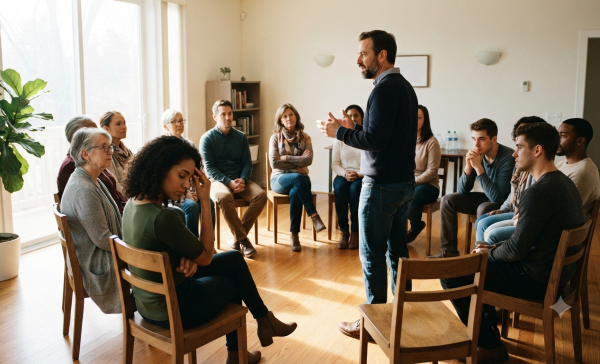
Recovery gets easier once someone realizes they’re not the only one going through it. Group sessions give people a chance to share experiences, learn from others facing similar struggles, practice communication, and build real accountability, and it’s common for people to form lasting recovery friendships through this part of treatment.
Family Therapy
Addiction affects the whole family, not just the person using. Family counseling helps loved ones understand what addiction actually involves, communicate better, rebuild trust, set healthy boundaries, and support recovery without slipping into enabling. Involving family tends to strengthen long-term recovery outcomes.
Life Skills Training
Recovery involves more than simply avoiding drugs. Many programs also teach practical skills, time management, financial planning, healthy routines, stress management, nutrition, exercise, and employment readiness that help someone function independently once treatment ends.
Relapse Prevention Planning
Understanding relapse prevention is one of the most important pieces of this whole process. People learn to recognize high-risk situations, emotional and environmental triggers, negative thinking patterns, and social pressure, then build a personalized plan for managing cravings before they become overwhelming.
Contact Palm Coast Treatment Solutions
Battling with Drug and Alcohol Addition? Remember, you are not alone and we are here to help you!
What Does a Typical Day in Rehab Look Like?
Schedules vary by program, but a typical day tends to follow a similar rhythm. Mornings often include breakfast, meditation or mindfulness, goal setting, and group therapy. Afternoons bring individual counseling, educational sessions, skills training, and physical activity. Evenings usually involve support groups, reflection, relaxation, and healthy recreational activities. Having this kind of structure reduces stress on its own and helps establish habits that carry over after treatment ends.
Overcome Addiction with Palm Coast Treatment Solutions.
Book an appointment.
Inpatient vs. Outpatient Rehab
Feature | Inpatient Rehab | Outpatient Rehab |
Living arrangement | Lives at the treatment center | Lives at home |
Support | 24/7 support and medical supervision | Scheduled sessions |
Structure | Highly structured, fewer distractions | More flexible scheduling |
Best for | Severe addictions | Stable home environments |
Other benefits | Intensive, immersive therapy | Continued work, school, and family involvement, often at a lower cost |
Call Palm Coast Treatment Solutions Today
Recovery begins with one decision. If you or someone you love is asking how rehab actually works, our team is here to guide you through every step. Palm Coast Treatment Solutions builds individualized treatment plans using evidence-based therapies and ongoing support.
Call Palm Coast Treatment Solutions today for a confidential assessment
Why Rehab is More Than Just Quitting Drugs
Many people assume rehab is only about stopping drug use. In practice, treatment also addresses mental health, physical wellness, emotional healing, relationships, career goals, personal growth, and relapse prevention. Successful recovery generally means building something closer to an entirely new lifestyle, not just removing one substance from an otherwise unchanged one.
Overcome Addiction with Palm Coast Treatment Solutions.
Book an appointment.
The Importance of Aftercare
Completing rehab is a real accomplishment, but recovery continues well past it. Aftercare often includes outpatient therapy, recovery coaching, alumni programs, peer support meetings, medication management, family counseling, and sober living homes. These ongoing supports are frequently what separates someone who stays in recovery from someone who doesn’t, once everyday life and its usual pressures return.
How Long Does Recovery Take?
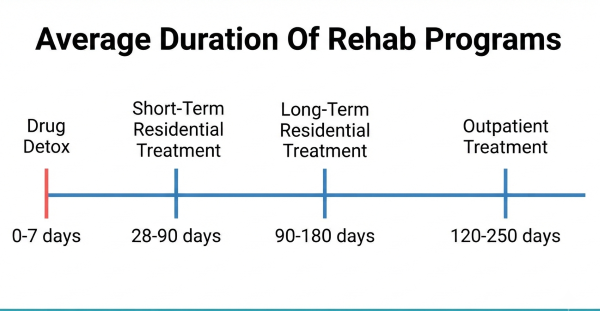
There’s no single timeline, and progress depends on the specific drug involved, how long the addiction lasted, mental and physical health, family support, and personal motivation. That said, research from the National Institute on Drug Abuse has found that treatment lasting less than 90 days tends to show limited effectiveness, while longer treatment is associated with meaningfully better outcomes.
Recovery is better measured by real progress than by how quickly someone gets through a program.
Overcome Addiction with Palm Coast Treatment Solutions.
Book an appointment.
Choosing the Right Rehab Program
When evaluating a treatment provider, look for individualized treatment plans, licensed medical professionals, evidence-based therapies, mental health treatment alongside addiction care, family involvement, relapse prevention planning, and aftercare support. A quality program is built around long-term wellness, not a fast discharge date.
Start Your Recovery With Palm Coast Treatment Solutions
The answer to how rehab works is fairly simple in the end: it combines medical care, therapy, education, and long-term support to help someone overcome addiction and rebuild a healthier life. At Palm Coast Treatment Solutions, every recovery journey gets treated as its own, with treatment plans built to address the physical, emotional, and psychological sides of addiction together.
Contact Palm Coast Treatment Solutions to speak confidentially with our admissions team and begin your recovery.
Frequently Asked Questions
What do drug addicts do in rehab?
People in rehab participate in medical care, individual counseling, group therapy, educational sessions, relapse prevention planning, wellness activities, and life skills training. Daily routines help establish healthy habits while addressing the physical, emotional, and psychological aspects of addiction.
How to prepare for inpatient rehab?
Prepare by speaking honestly with the admissions team, arranging work or family responsibilities, packing approved personal items, organizing medications, and entering treatment with an open mind. Understanding the program beforehand can also reduce anxiety and improve readiness.
Why do addicts need rehab?
Rehab provides professional medical care, therapy, emotional support, and relapse prevention strategies that many people cannot access on their own. It addresses both addiction and its underlying causes, helping individuals develop healthier coping skills and long-term recovery habits.
How long does a drug addict stay in rehab?
Treatment length depends on individual needs, substance use history, medical conditions, and recovery progress. Some people benefit from shorter programs, while others require extended treatment and continuing care to achieve lasting recovery and reduce relapse risk.
What are the 4 stages of rehab?
The four common stages include assessment, detoxification when necessary, active treatment through therapy and education, and aftercare planning. Each stage supports different aspects of recovery, helping individuals safely transition toward a healthier, substance-free lifestyle.
What is the 60% rule in rehab?
The “60% rule” is not a recognized clinical guideline used in addiction treatment. Some facilities may use internal participation benchmarks, but recovery success depends on consistent engagement, individualized care, evidence-based treatment, and long-term follow-up rather than a single percentage.
Disclaimer
This blog is intended for educational purposes only and should not replace professional medical advice, diagnosis, or treatment. If you or someone you know is experiencing a substance use disorder, consult a qualified healthcare provider or contact Palm Coast Treatment Solutions for a confidential assessment. In case of a medical emergency or suspected overdose, call 911 or seek immediate emergency medical care.
References
- American Addiction Centers. What is a Typical Day in Residential Rehab Like?
- Substance Abuse and Mental Health Services Administration (SAMHSA)
- National Institute on Drug Abuse (NIDA): https://nida.nih.gov