Key Takeaways
- Withdrawal from marijuana begins 24-48 hours later
- Reaches its peak in a week and can last 2-3 weeks
- Including anxiety, depression, insomnia and marijuana cravings
- Marijuana Withdrawal is dose & depression dependent
- Here’s how to stop withdrawal and relapses
So if you’re reading this and you’re thinking, “How long will the withdrawal symptoms of weed last?” then you might want to quit smoking marijuana, you may also want to cut down on marijuana. And that’s great. Marijuana is not “as addictive” as other drugs, but you can progressively become more and more dependent on marijuana, and then get withdrawal symptoms of marijuana (“dope sickness”) when you stop after some substantial marijuana use.
What is Marijuana Withdrawal?
Marijuana withdrawal occurs when a marijuana addict quits cold turkey from smoking plenty of marijuana. Both your brain and body adapt to the active ingredient (THC) and when you quit using marijuana, the body needs to get used to it again.
Marijuana withdrawal symptoms include changes in how you feel, eat and sleep, according to Palm Coast Treatment Solutions. It will not be life-threatening, but it may be unpleasant and as a consequence, quitting marijuana “cold turkey” may be harder.
Symptoms Of Marijuana Withdrawal
We all have different experiences of quitting marijuana but it is likely that we all experience psychological and/or physical withdrawal.
Common symptoms include:
- Mood swings or irritability.
- Anxiety or restlessness
- Insomnia or nightmares
- Reduced appetite
- Headaches or stomach aches.
- Intense marijuana “cravings.”
This is one of the common side effects.
How Long Does Marijuana Withdrawal Last?
The most posed question! It may be somewhat difficult.
Generally:
- 24–48 hours: Symptoms begin
- Days 2–6: Symptoms peak
- Week 2–3: Gradual improvement
- Week 3: Symptoms disappear
Nevertheless, behavioral withdrawal (withdrawal, anxiety) can be a bit slower.
Causes of Marijuana Withdrawal
Marijuana withdrawal’s cause is marijuana withdrawal symptoms. Marijuana withdrawal lowers the chemicals in the brain.
When THC is removed:
- For a certain period of time, have difficulty managing stress/ anxiety
- Sleep cycles are disrupted
- Feeling famished and sleepy
- This will improve with time
Risk Factors for Marijuana Withdrawal
Everyone has different symptoms. You’re more likely to get the symptoms if you:
- High or frequent cannabis use
- High-frequency or long-term use (weeks, months or years)
- High levels of THC
- Preexisting mental health problems (e.g. anxiety, depression)
- Lack of help to change
- And it may help you foresee your needs.
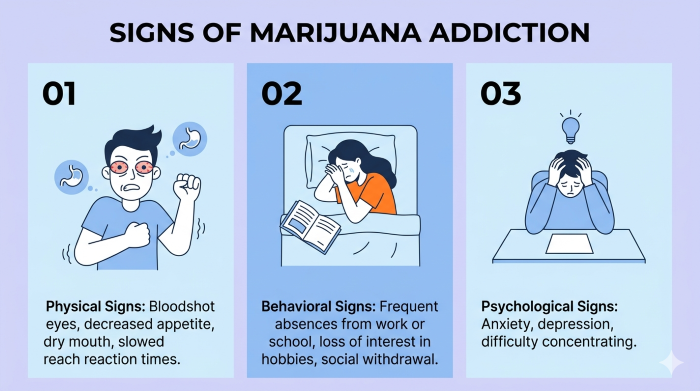
Withdrawal Symptoms of Weed
When people get the withdrawals from Weed they’re searching for Weed Withdrawal Symptoms. They’re not deadly but awful.
Most searchers report:
- Impatient, irritable
- Insomnia, disruption of sleep
- Not feeling motivated
Feeling hungry when not hungry and feeling hungry when stressed
And I think the thing that you’ve got to remember is it’s very bad withdrawal but it goes. And they’re easy to manage as well.
How is Marijuana Withdrawal Diagnosed?
So there’s no blood test for marijuana withdrawal. But you’ll be diagnosed by your doctor or nurse if:
- Your history of cannabis use
- If you have symptoms since you stopped
- Type and severity of symptoms
- Descriptions and exclusions can be used by medical experts.
Marijuana Detox Timeline
Here’s how to get relief from withdrawal:
- Day 1–2:
Irritability and fidgetiness - Day 3–7:
Restlessness, irritability and sleeplessness - Week 2:
You can sleep better, the seizure is gone - Week 3+:
Withdrawal is done; back to normal
This is not withdrawal but is normal.
How Long Does Weed Withdrawal Last
So to put that in simple terms, it will take 2-3 weeks for people to withdraw from Withdrawal Symptoms of Weed (first 7 days are the worst).
But withdrawal symptoms (cravings) will last a month or so. This can be contextual, things that trigger the desire to smoke and even behaviors.
Treatment for Marijuana Withdrawal
Marijuana can be detoxified by a “cold turkey” style withdrawal, but it is possible to get medical help with this, especially if the withdrawal is severe.
People can receive:
- Behaviour therapy: To avoid cravings and triggers
- Counselling: To avoid cravings
- Sleep changes: To beat early withdrawal insomnia
- Outpatient programs: Provide support
Palm Coast Treatment Solutions can help beat withdrawal.
Call today, and Palm Coast Treatment Solutions will guide you on the right path.
Ready to Take the First Step?
Don’t suffer alone. If you have withdrawal symptoms of marijuana, you can get sober the fastest.
Withdrawal symptoms of marijuana. Call Palm Coast Treatment Solutions now.
Be straight, level, and sober. Marijuana rehab in Palm Coast, FL – If you’re experiencing withdrawal, it can help you.
Palm Coast Treatment Solutions offers the following:
- Personalized treatment plans
- Evidence-based therapies
- Supportive, judgment-free care
- Flexible outpatient options
They assist their patients’ treatment and their own recovery.
Disclaimer
This content is for informational purposes only and should not replace professional medical advice, diagnosis, or treatment. If you are experiencing severe symptoms, consult a qualified healthcare provider.
FAQs
How long does it take to stop wanting weed after quitting?
Cravings typically decrease within 2–3 weeks, but occasional urges may last longer. Learning coping strategies and avoiding triggers can significantly reduce the desire to use over time.
How long until I feel happy again after quitting weed?
Mood often improves within 1–3 weeks. As brain chemistry stabilizes, many people report better emotional balance, clearer thinking, and increased motivation without cannabis.
What happens to your body when you quit smoking weed?
Your body begins to rebalance. Sleep, appetite, and mood may fluctuate initially, but over time, energy levels improve, lung function benefits, and mental clarity increases.
How long do withdrawal symptoms last?
Most Withdrawal Symptoms of Weed last 2–3 weeks, with peak intensity during the first week. After that, symptoms gradually decrease and become more manageable.
What’s the hardest day of quitting weed?
Days 3 to 5 are often the most challenging, as symptoms peak. This is when cravings, irritability, and sleep issues tend to be strongest.
What kills the urge to smoke?
Healthy distractions, exercise, hydration, and support systems help reduce urges. Therapy and structured routines are especially effective for managing cravings long-term.