The term “withdrawal” may have already come up if a loved one has decided to quit using drugs or alcohol. It could be a doctor, a counsellor or something you read online. If the term is not clear to you in terms of what it is and what it entails, you’re not the only one.
One aspect of the recovery process that is often misunderstood is drug withdrawal. It’s also one of the most crucial things to know, as how time passes during withdrawal and whether there is any medical care for the person during that time can mean the difference between safety, comfort and a solid likelihood of lasting recovery.
The guide includes definitions of drug withdrawal, its causes, the sensations of withdrawing from various substances, those most dangerous to withdraw from without medical supervision, timelines, and what effective treatment entails.
What Are Drug Withdrawals?
Drug withdrawal is the physical and psychological response that happens when a person who is addicted to a drug decreases or finally stops the habit.
Withdrawal syndromes occur when the body responds to the reduction or cessation of a substance after prolonged use, because of the physiological adaptation that has taken place during that use. When the substance is removed, the body must recalibrate, and that process of recalibration produces symptoms.
Withdrawal is not a punishment or a sign of weakness. It is a biological process that reflects how significantly a substance has altered the brain and body’s chemistry during the period of regular use.
Experts Advice: Connect to ongoing treatment immediately after detox to reduce relapse risk.
What Causes Drug Withdrawal?
When a person uses an addictive substance repeatedly, the brain and body adapt. They restructure their chemistry and functioning around the presence of the substance. This is called physical dependence.
Here is how that process works at the neurological level:
Most addictive substances act on the brain’s reward circuitry, primarily by increasing dopamine in the nucleus accumbens, the brain’s primary reward center. Over time, the brain responds to this repeated artificial stimulation by downregulating its own natural production of neurotransmitters, reducing receptor sensitivity, and restructuring the systems that govern mood, motivation, stress response, and physical regulation.
When the substance is removed, those systems are suddenly deprived of the input they have been restructured around.
Types of Drug Withdrawal
Drug withdrawal has two distinct dimensions, and both matter for treatment.
Physical Withdrawal
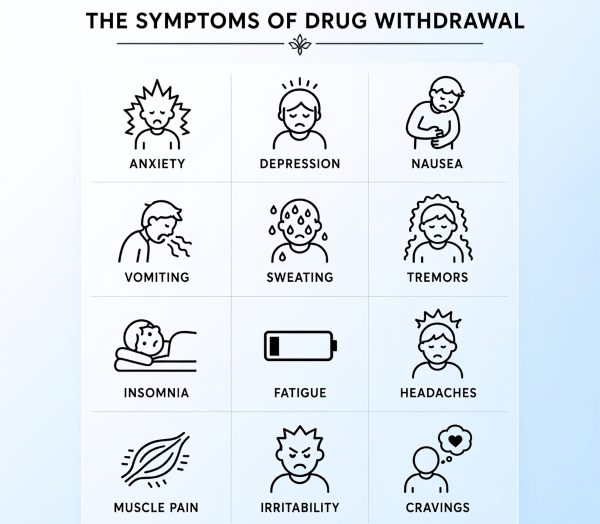
Physical withdrawal involves measurable changes in the body and nervous system. The specific physical symptoms vary by substance but can include nausea, vomiting, sweating, shaking, muscle pain, elevated heart rate and blood pressure, insomnia, and, in the most serious cases, seizures and delirium.
Physical withdrawal symptoms emerge on a timeline governed by the half-life of the substance involved. Shorter-acting substances produce withdrawal that begins sooner and peaks faster. Longer-acting substances produce withdrawal that begins later and resolves more gradually.
Psychological Withdrawal
Psychological withdrawal involves the mental and emotional symptoms of the brain recalibrating without the substance. These symptoms include intense cravings, anxiety, depression, irritability, mood instability, difficulty concentrating, and in some cases suicidal ideation, particularly during stimulant withdrawal.
Psychological withdrawal often outlasts physical withdrawal and is the dimension most responsible for relapse during and after detox. Cravings and mood dysregulation can persist for weeks to months after physical symptoms resolve, making ongoing behavioral health treatment after detox essential for lasting recovery.
Drug Withdrawal Symptoms by Substance
Different substances produce very different withdrawal experiences. Understanding what to expect from each substance helps individuals and families prepare and underscores why professional supervision matters for some substances far more than others.
Alcohol Withdrawal
Alcohol withdrawal is one of the most medically dangerous withdrawal processes and can be life-threatening without supervision. Alcohol acts as a CNS depressant. When it is removed after regular heavy use, the nervous system rebounds into a state of hyperexcitability.
Symptoms:
- Anxiety, agitation, and restlessness
- Sweating and elevated temperature
- Rapid heart rate and elevated blood pressure
- Nausea and vomiting
- Hand tremors
- Headaches
- Insomnia and nightmares
- Hallucinations (visual, auditory, or tactile) in moderate to severe cases
- Seizures
- Delirium tremens (DTs): a severe, life-threatening syndrome involving fever, extreme confusion, hallucinations, and seizures
Medical supervision is not optional for alcohol withdrawal. Seizures and delirium tremens can be fatal. Benzodiazepines, administered under medical supervision and tapered carefully, are the first-line treatment for managing acute alcohol withdrawal.
Opioid Withdrawal
Opioid withdrawal includes withdrawal from heroin, fentanyl, and prescription opioids such as oxycodone, hydrocodone, and morphine. While opioid withdrawal is rarely fatal in otherwise healthy adults, it is intensely uncomfortable and is one of the leading drivers of relapse during early recovery.
SAMHSA notes that opioid withdrawal is associated with extreme discomfort that significantly undermines a person’s ability to stop without support.
Symptoms:
- Muscle aches, joint pain, and severe restlessness
- Nausea, vomiting, and diarrhea
- Excessive sweating, chills, and goosebumps (piloerection)
- Yawning and tearing of the eyes
- Abdominal cramping
- Insomnia and anxiety
- Intense, powerful cravings
- Elevated heart rate and blood pressure
- Agitation and irritability
One of the most dangerous aspects of opioid withdrawal is what happens after it: following a period of abstinence, tolerance drops significantly. A person who relapses after going through withdrawal and attempts to use the same amount they used before has a significantly elevated risk of fatal overdose, because their nervous system can no longer handle the dose their body previously tolerated.
Benzodiazepine Withdrawal
Benzodiazepine withdrawal, from medications such as Xanax (alprazolam), Valium (diazepam), Klonopin (clonazepam), and Ativan (lorazepam), is among the most medically serious withdrawal syndromes and carries a significant risk of fatal seizures.
Like alcohol, benzodiazepines act as CNS depressants. The nervous system rebound upon cessation can be severe, particularly in people who have used high doses or used benzos for extended periods. The ASAM Clinical Guidelines and APA practice recommendations both advise tapering under clinical supervision to minimize withdrawal risks.
Symptoms:
- Intense anxiety and panic attacks
- Insomnia and sleep disturbances
- Tremors
- Sweating
- Nausea and vomiting
- Heart palpitations
- Muscle tension and aches
- Hypersensitivity to light and sound
- Feelings of unreality or depersonalization
- Seizures
- Psychosis in severe cases
Stopping benzodiazepines abruptly after regular use can be fatal. Medical teams use a cross-taper approach, gradually reducing the dose under supervision, often using a longer-acting benzodiazepine to replace a shorter-acting one and tapering from there.
Stimulant Withdrawal (Cocaine, Methamphetamine, Amphetamines)
Stimulant withdrawal is not medically life-threatening in the same way alcohol and benzodiazepine withdrawal are, but it produces severe psychological symptoms that require clinical support.
The stimulant withdrawal timeline typically follows three phases:
Crash (first 24 to 72 hours): Intense fatigue, increased sleep, hypersomnia, and depression as the brain reacts to the sudden absence of dopamine stimulation.
Withdrawal phase (1 to 2 weeks): Irritability, anxiety, low mood, strong cravings, difficulty experiencing pleasure (anhedonia), and sleep disturbances.
Extinction phase (weeks to months): Gradual improvement but lingering anhedonia, cravings triggered by environmental cues, and mood dysregulation that can persist for several months.
The risk of suicidal ideation is elevated during stimulant withdrawal, particularly in the crash and early withdrawal phases. Depression can be severe enough to require psychiatric management alongside addiction treatment.
There are no FDA-approved medications specifically for stimulant withdrawal, making behavioral therapy and structured clinical support the primary tools.
Cannabis Withdrawal
Cannabis withdrawal is now recognized by the DSM-5-TR as a clinically significant syndrome following regular, heavy use. The syndrome is not life-threatening but produces genuine discomfort that drives many people back to use.
Symptoms:
- Irritability, anger, or agitation
- Anxiety and restlessness
- Insomnia and sleep disturbances
- Decreased appetite and weight loss
- Depressed mood
- Physical discomfort, including headaches, sweating, chills, and abdominal pain
Cannabis withdrawal symptoms typically begin within 24 to 48 hours of cessation, peak around days 2 to 4, and resolve over one to two weeks. Psychological symptoms, including cravings, anxiety, and mood disturbances, may linger longer.
Nicotine Withdrawal
Nicotine withdrawal begins within hours of the last cigarette and is one of the most commonly experienced forms of drug withdrawal given smoking’s prevalence. While not medically dangerous, nicotine withdrawal is intense enough to drive relapse rapidly.
Symptoms:
- Intense cravings for nicotine
- Irritability, anxiety, and restlessness
- Difficulty concentrating
- Increased appetite and weight gain
- Insomnia
- Depressed mood
FDA-approved treatments, including nicotine replacement therapy (patches, gum, lozenges), varenicline (Chantix), and bupropion (Wellbutrin) are available and significantly improve cessation outcomes.
Withdrawal Timelines by Substance
Understanding when withdrawal begins, when it peaks, and when it resolves helps individuals and families know what to expect and plan appropriate support.
Substance | Onset | Peak | Resolution |
Alcohol | 6 to 24 hours after last drink | 24 to 72 hours | 3 to 7 days (DTs can extend longer) |
Short-acting opioids (heroin, oxycodone) | 6 to 12 hours after last dose | 24 to 72 hours | 5 to 10 days |
Long-acting opioids (methadone) | 24 to 48 hours after last dose | 72 to 96 hours | 2 to 4 weeks |
Fentanyl | 8 to 24 hours | 36 to 72 hours | 5 to 10 days (PAWS can extend) |
Short-acting benzos (Xanax) | 12 to 24 hours | 2 to 4 days | 1 to 4 weeks (protracted possible) |
Long-acting benzos (Valium) | 2 to 7 days | 2 weeks | Weeks to months with taper |
Cocaine and crack | 1 to 3 hours after last use | 24 to 72 hours (crash) | 1 to 3 weeks |
Methamphetamine | 24 hours after last use | 2 to 4 days | 1 to 3 weeks (PAWS can extend) |
Cannabis | 24 to 48 hours after last use | 2 to 4 days | 1 to 2 weeks |
Nicotine | 2 to 4 hours after last use | 2 to 3 days | 2 to 4 weeks |
PAWS = Post-Acute Withdrawal Syndrome, discussed below.
Post-Acute Withdrawal Syndrome (PAWS)
After the initial acute withdrawal phase resolves, many people experience a second phase of symptoms known as Post-Acute Withdrawal Syndrome (PAWS). This is particularly common after alcohol, opioid, benzodiazepine, and stimulant use.
PAWS involves persistent, often fluctuating symptoms including:
- Mood instability and depression
- Anxiety and difficulty managing stress
- Cognitive difficulties including poor concentration and memory problems
- Sleep disturbances
- Variable energy levels
- Continued cravings, often triggered by environmental or emotional cues
PAWS symptoms can persist for weeks to several months, sometimes longer after heavy or long-term use. They are a significant driver of relapse in the period after detox, particularly for people who mistake PAWS symptoms for evidence that something is permanently wrong rather than recognizing them as a normal part of neurological recovery.
Detoxing from alcohol or benzodiazepines without supervision can be fatal. Palm Coast Treatment Solutions provides medically monitored detox.
What is Medical Detox
Medical detox is a supervised, clinical process in which trained medical and psychiatric professionals support a person through withdrawal safely and as comfortably as possible.
It is not a treatment for addiction on its own. It is the necessary first step that makes treatment possible.
What Happens During Medical Detox
Assessment: A comprehensive evaluation of the person’s substance use history, current health, co-occurring conditions, and withdrawal risk level is conducted before detox begins. This informs the clinical protocol.
Monitoring: Vital signs, neurological status, and symptom progression are monitored regularly throughout the detox period. More intensive monitoring is provided for alcohol and benzodiazepine withdrawal given their higher risk profiles.
Medication management: Specific medications are used to reduce withdrawal severity, prevent dangerous complications, and maintain safety:
- Alcohol and benzos: Benzodiazepines (diazepam, lorazepam, chlordiazepoxide) are first-line for preventing seizures and managing acute symptoms. Administered under close supervision and tapered as symptoms resolve.
- Opioids: Buprenorphine (Suboxone), methadone, clonidine, and lofexidine address cravings, reduce acute withdrawal symptoms, and significantly improve retention in treatment.
- Stimulants: No FDA-approved medications exist specifically for stimulant withdrawal. Psychiatric medications may be used to manage severe depression, anxiety, or suicidal ideation during the crash and early withdrawal phases.
Comfort and stabilization: Hydration, nutrition, sleep support, and a calm, structured environment all support the person through the acute withdrawal period.
Transition to treatment: Detox is completed with a clear plan for the next step in care, whether residential treatment, PHP, or IOP. A person who completes medical detox without any connection to ongoing treatment has a very high probability of relapse.
FACT: Buprenorphine, methadone, and clonidine are common medications for opioid withdrawal management.
Life After Detox: What Real Recovery Requires
The completion of medical detox is not the end of treatment. It is the beginning. Effective treatment after detox includes:
- Residential or Inpatient Treatment: For individuals who need extended, structured therapeutic support in a live-in environment, typically 30 to 180 days
- Partial Hospitalization Programs (PHP): Intensive daily therapeutic programming without overnight residence, appropriate as a step-down from residential or for people with stable home environments
- Intensive Outpatient Programs (IOP): Structured treatment several days per week, allowing people to maintain work, school, or family responsibilities while continuing evidence-based care
- Evidence-Based Therapies: Cognitive Behavioral Therapy (CBT), Dialectical Behavior Therapy (DBT), Relapse Prevention Therapy, Acceptance and Commitment Therapy (ACT), Trauma Therapy, EMDR, Family Therapy, and Group Therapy all address different dimensions of addiction recovery
- Dual Diagnosis Treatment: For the large proportion of people whose substance use is intertwined with a mental health condition, integrated treatment that addresses both simultaneously
- Aftercare and Alumni Support: Ongoing connection after formal treatment ends, significantly reducing relapse risk through peer support, alumni programming, and continued therapy
Detox is only the first step toward lasting recovery. Call Palm Coast Treatment Solutions to plan what comes next.

Palm Coast Treatment Solutions Can Help
If you or someone you love is facing drug withdrawal and does not know where to start, Palm Coast Treatment Solutions in Palm Coast, Florida provides compassionate, evidence-based care that guides people safely from detox through every phase of recovery.
Getting through withdrawal safely is the first step. What comes next is where real recovery is built.
Call Palm Coast Treatment Solutions at (386) 284-4151 or visit their contact page to speak with someone today.
FAQs
What are drug withdrawals?
Drug withdrawal refers to the physical and psychological symptoms that occur when a person who has developed physical dependence on a substance reduces or stops using it. As the NIH’s StatPearls describes, withdrawal syndromes arise from the body’s physiological adaptation to continuous substance exposure.
Which drug withdrawals are the most dangerous?
Alcohol and benzodiazepine withdrawal are the most medically dangerous and can be life-threatening without supervision, due to the risk of seizures and, in alcohol withdrawal, delirium tremens.
What does opioid withdrawal feel like?
Opioid withdrawal is described by most people who experience it as feeling like an extreme flu combined with severe anxiety and uncontrollable cravings. Symptoms include intense muscle aches, nausea, vomiting, diarrhea, sweating, chills, insomnia, restlessness, and elevated heart rate.
Can you die from drug withdrawal?
Yes, in specific circumstances. Alcohol and benzodiazepine withdrawal can be fatal without medical management, due to the risk of grand mal seizures and delirium tremens. Opioid withdrawal alone is rarely fatal in healthy adults but can cause dangerous dehydration and severely elevated overdose risk upon relapse.
How long does drug withdrawal last?
Duration varies significantly by substance. Alcohol withdrawal typically resolves in 3 to 7 days, though DTs can extend longer. Opioid withdrawal from short-acting opioids resolves in 5 to 10 days; long-acting opioids and fentanyl can take longer. Benzodiazepine withdrawal, particularly from long-acting benzos, can extend for weeks to months with appropriate tapering.
What is Post-Acute Withdrawal Syndrome (PAWS)?
PAWS is a secondary phase of withdrawal that occurs after the acute physical withdrawal period ends. It involves persistent symptoms including mood instability, anxiety, difficulty concentrating, sleep disturbances, low energy, and ongoing cravings. PAWS is common after alcohol, opioid, benzodiazepine, and stimulant use, and can last weeks to months.
Is it safe to detox from drugs at home?
No, for most people managing significant dependence on addictive substances. For alcohol and benzodiazepines, home detox can be fatal. For opioids, the extreme discomfort drives relapse, and a relapse after tolerance has dropped significantly elevates overdose risk. For stimulants, the psychiatric symptoms including severe depression and suicidal ideation require clinical monitoring.
What medications are used during drug withdrawal?
Medications vary by substance. Benzodiazepines are the first-line treatment for alcohol and benzo withdrawal, managing seizure risk and acute symptoms under close supervision. Buprenorphine (Suboxone), methadone, clonidine, and lofexidine are used for opioid withdrawal.
What is the difference between physical and psychological withdrawal?
Physical withdrawal involves measurable changes in the body and nervous system: nausea, tremors, sweating, elevated vital signs, muscle pain, and in severe cases seizures. Psychological withdrawal involves the mental and emotional symptoms of the brain recalibrating: cravings, anxiety, depression, irritability, and mood instability.
Why do people relapse during withdrawal?
Withdrawal produces intense discomfort, and the substance that caused the discomfort also relieves it, at least temporarily. This is the central trap of withdrawal-driven relapse. NIDA identifies withdrawal discomfort as a key factor in the cycle of addiction.
Does everyone who uses drugs experience withdrawal?
Not everyone who uses drugs develops significant physical dependence. Physical dependence requires regular use over time and is influenced by the substance’s pharmacology, the dose used, the duration of use, and individual biological factors. Occasional or infrequent users of most substances will not experience clinically significant withdrawal.
What is the first step to getting help with withdrawal?
The first step is a clinical assessment with a licensed addiction treatment professional or medical provider who can evaluate the level of dependence, the appropriate setting for detox, and the plan for ongoing treatment. Most quality treatment centers including Palm Coast Treatment Solutions conduct initial assessments that include insurance verification, clinical intake, and a recommended treatment plan before any commitment is required.
Can withdrawal be prevented?
Physical dependence, and therefore withdrawal, cannot always be prevented once regular use of an addictive substance is established. However, medically supervised tapering, the gradual reduction of a substance over time under clinical guidance, significantly reduces the severity of withdrawal compared to abrupt cessation.
References
- Gupta M, et al. Withdrawal Syndromes. StatPearls. Updated September 2024. NCBI.NLM.NIH.gov
- National Institute on Drug Abuse. Drugs, Brains, and Behavior: The Science of Addiction. NIDA.NIH.gov
- American Society of Addiction Medicine. Clinical Practice Guidelines for Alcohol Withdrawal Management. ASAM.org
- American Psychiatric Association. DSM-5-TR: Cannabis Withdrawal Disorder Criteria. Psychiatry.org
- National Institute on Drug Abuse. Treatment and Recovery. NIDA.NIH.gov
- MedlinePlus. Opiate and Opioid Withdrawal. MedlinePlus.gov
- Cleveland Clinic. Alcohol Withdrawal. ClevelandClinic.org
- Palm Coast Treatment Solutions. Substance Abuse Treatment Programs. PalmCoastTS.com
This content is for educational purposes only and does not constitute medical advice. If you or someone you love is experiencing drug withdrawal or struggling with substance use, please seek immediate medical attention or contact Palm Coast Treatment Solutions for professional support.