Functioning alcoholic: Any person who suffers from alcohol use disorder or drinks a great deal of alcohol while still maintaining the care of their work, relationships, financial or daily affairs. Alcohol-related issues may continue for years because, on the surface, things may not look that bad.
What is a Functioning Alcoholic?
What’s a drinking fool? A person who carries on to seem to have duties without the existence of issues with alcohol. Even an alcoholic who has been successful, has a stable job, relationships, pays the bills, seems good, or has trouble controlling his or her drinking habits, or it may not have obvious signs of how drinking has affected his or her life.
Although the term functioning alcoholic is often used, it’s not a grammatical medical term. Alcohol use disorder (AUD) is a term commonly used among health care professionals to refer to a pattern of alcohol use that causes significant problems or distress.
This distinction matters. Persons who leave their jobs because of work dissatisfaction or are arrested, or drink throughout the day do not necessarily have alcohol problems. Just because one looks successful, it doesn’t mean they don’t need help.
Key Takeaways
- A “working alcoholic” can hold a good job and live a normal life with a family and financial life, and still have the battle with alcohol.
- The term “functioning alcoholic” is not a medical diagnosis per se. It’s clinically classified as alcohol use disorder.
- To look for include: drinking alone, hiding alcohol, needing to drink to calm down, and repeatedly trying to drink without drinking less alcohol.
- There is no indication of the danger of alcohol use by how a person looks or what career he or she has.
- The brain, heart, liver, relationships, and overall health can be impacted by drinking heavily even if there are no obvious problems.
- Therapy, medications, medical treatment, support groups or a combination of these may be used to treat the problem.
Signs of a Functioning Alcoholic
When someone is a functioning alcoholic, he or she can get very good at hiding alcohol-related issues. They might overindulge in alcohol after work, before going to sleep, during social gatherings or after they have reached a level of stress that is difficult to manage.
A few of the usual indications are:
1. Drinking becomes part of the daily routine
A person can start to feel like they have not had a full day without an alcoholic buzz (or feeling from alcohol). It can start with a drink and get to the point of it being a nightly habit.
2. They need alcohol to relax
After a hard day, an individual might crave “a drink.” Over time, ethanol can turn into somebody’s main coping mechanism if he or she feels anxious, frustrated, lonely or stressed.
3. They hide or minimize drinking
May hide alcohol in unusual places, drink prior to meeting with friends, try to conceal opened bottles of alcohol and/or fail to disclose alcohol use to others.
4. They have tried to cut down but cannot
It’s an important red flag if you try and try to drink less. May say they’re going to quit for one week, and go right back to the same routine within a few days.
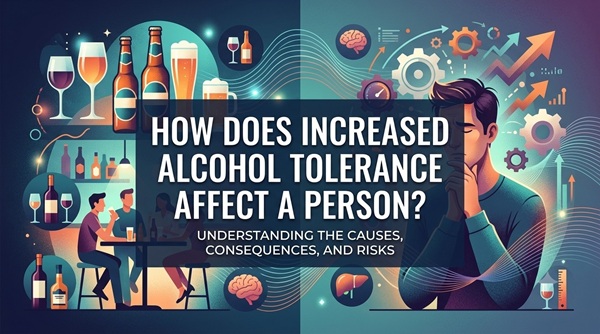
5. Tolerance increases
The person requires higher alcohol doses in order to have the same effect. This can also slowly and incrementally raise a person’s threat for alcohol-related health problems.
6. Alcohol affects relationships or responsibilities
When a person continues to drink, it can result in fights, estrangement, failure to meet obligations, impaired judgment or family problems even if they are still holding down a job.
According to SAMHSA, there are a number of similar indicators of trouble with alcohol, which include drinking longer or more than intended, drinking even when you are lying, and thinking about alcohol a lot, continuing to drink when it causes health or relationship problems, etc.
Why Can a Functioning Alcoholic Look Healthy?
Alcohol issues are hard to identify because alcohol use disorder is not the same for all individuals.
The working alcoholic, who could have a successful career, go to the gym regularly, keep his home clean and look like a responsible person. These achievements do not eliminate bad drinking habits, though.
However, often when the person is successful outwardly, the person and those around him or her may be inclined to ignore the signs.
They may “prove” to others for example, “But they’re not an alcoholic because they don’t miss work”.
A person can find enjoyment in their work and a few other areas of life; however, still have a problem with alcohol.
Does the person have a job or does the person appear successful?
Instead, consider:
- Have they developed their own ability to drink responsibly?
- Do they believe that they can’t stop?
- Are they concealing their drunkenness?
- Are they a part of their craving?
- Drink when it has a bad effect on you?
- Are they drinking to harm themselves – physically, mentally, socially?
- High functioning alcoholics: what are the risks?
What Are the Risks of High-Functioning Alcohol Use?
Excessive drinking over a long period of time can make you more likely to have liver disease, heart issues, some cancers, sleep problems, mood changes, difficulties with memory or other health issues.
It is important because alcohol disorder can present symptomatically in the early stages and liver damage can occur. Symptoms that may follow later are abdominal distention, black urine, jaundice and more serious changes.
One of the ways this can be harmful is by waiting until someone appears “sick” before getting medical attention.
How Much Alcohol is Too Much?
No one single number can determine if someone has alcohol use disorder. A diagnosis is based on a history of symptoms, lack of control and the alcohol’s impact on the individual’s life and health.
But rates of drinking can be used to suggest where there is heightened risk.
The National Institute on Alcohol Abuse and Alcoholism (NIAAA) considers a heavy drinker to consume four or more drinks a day on average, or eight or more drinks per week, for women, and five or more drinks a day or 15 or more per week, for men.
An average drink in the USA is approximately 14 grams of pure alcohol. That means about 12 ounces of beer, five ounces of wine or 1.5 ounces of distilled spirits at eight-toed proof.
However, these numbers can help one understand the level of risk, and they shouldn’t be used to diagnose alcoholism.
Is a Functioning Alcoholic the Same as Someone With Alcohol Use Disorder?
Not necessarily. While the informal term used for a condition in which people can drink alcohol without getting intoxicated is functioning alcoholic, the clinical term is alcohol use disorder.
Someone who still works, raises children, has friends, handles finances and so on can be considered AUD.
The effects of AUD may be mild or severe. Some do not have all of the symptoms, though some will have symptoms with no impairment; others will have a lot of symptoms with a lot of impairment.
Professional assessment can help to shed light on what is going on without relying on stereotypes.
What Are the Four Stages of Alcoholism?
Sometimes it’s labeled ‘pre-alcoholic’, ‘early alcoholic’, ‘middle alcoholic’ and ‘late alcoholic’ stages. But it is an antiquated concept, not how alcohol use disorder (AUD) is clinically diagnosed now.
No longer are symptoms used as a diagnostic tool, and no one is placed in any stage of modern assessment; rather, impaired control, consequences, cravings, tolerance and withdrawal and all the other criteria are looked at.
Can a Functioning Alcoholic Recover?
Yes. Recovery is possible and treatment doesn’t have to begin with a big crisis.
Treatment can include counseling, behavior therapy, medication, medical monitoring, peer support or a combination of these. Some of the treatments for alcohol use disorder stated by SAMHSA involve counseling, drugs, and groups that provide each other assistance.
It is important to seek help from a professional for a person in Palm Coast to find a safe and discreet space to explore their drinking habits, cravings, stress levels, relationships and potentially the options available for treatment.
What Does Treatment for Alcohol Use Disorder Look Like?
With any of these signs in your life — or the person you are in a relationship with you shouldn’t have to wait until there is a major crisis for you and alcohol to come to an end.
Palm Coast Treatment Solutions can help you move forward to understanding your drinking habits and to finding the right help and information for addiction treatment. Contact (386) 284-4151 for a recovery talk and to discuss your options to start a confidential conversation.
A needs-based treatment plan should be used instead of a one-size-fits-all approach.
For some, outpatient counselling, maintaining their independence and remaining at home may be an appropriate choice. Others may need more in-depth treatment, particularly if drinking is excessive, there’s a concern about withdrawal or health and mental health issues are present.
A person in therapy can also learn how to identify and adjust their habits of drinking and can acquire more healthy ways of coping with stress, feelings, connections and triggers.
Medications can also be taken into consideration. According to SAMHSA, three FDA-approved drugs are commonly prescribed for AUD: acamprosate, disulfiram and naltrexone. Whether the use of drugs are appropriate can be established by a qualified healthcare professional.
Significantly, a heavy drinker should never try to quit without a doctor’s advice. For some, alcohol withdrawal can be very serious, or even be life-threatening.

When Should You Seek Help for Alcohol Use?
It’s not necessary to wait for an event like a DUI, losing your job, the loss of a relationship, a hospitalization or another major event to seek help.
If you are experiencing any of these things, talk to a health care provider or addiction specialist.
- Frequently (will often) think about drinking.
- Drink More fluid than allotted.
- Be unable to avoid alcohol.
- Don’t show off your alcohol consumption.
- Drink greater and greater quantities of alcohol for the same effect.
- Attempted to cut down unsuccessfully.
- Pressuring family members to keep drinking even when there are negative health re perelations issues.
Seeking assistance isn’t an admission of defeat. It’s a first step towards figuring out what’s going on and what to do next.
Get Help for Alcohol Use in Palm Coast, Florida
A person does not need to be in the mold of an “alcoholic” to warrant the attention and help of others. An alcoholic may be working, taking care of family and fulfilling day-to-day responsibilities, all while alcohol slowly slips out of control.
When the drinking is becoming a habit or you think you should talk to someone about your drinking, talk to a professional. Palm Coast Treatment Solutions is there for individuals who wish to learn about their drinking and also study the recovery alternatives.
Take the next step towards becoming healthier with your relationship to alcohol, by calling Palm Coast Treatment Solutions at (386) 284-4151. Don’t wait until it gets worse before you communicate!
Frequently Asked Questions
What are the five types of alcoholism?
Some older sources describe five drinking patterns: young adult, young antisocial, functional, intermediate familial, and chronic severe. These categories are not formal diagnoses. Today, professionals generally assess alcohol use disorder based on symptoms and severity.
What are three symptoms of alcoholism?
Three common symptoms are difficulty controlling drinking, unsuccessful attempts to cut down, and continuing to drink despite problems. Other signs can include cravings, tolerance, withdrawal, and alcohol interfering with work, relationships, health, or daily responsibilities.
How many drinks a day is considered alcohol abuse?
There is no single daily number that diagnoses alcohol use disorder. NIAAA defines heavy drinking as four or more drinks on a day for women and five or more for men. Individual risk varies based on several factors.
What are 14 signs that alcohol consumption might be causing liver damage?
Possible warning signs include fatigue, nausea, poor appetite, abdominal discomfort, swelling, easy bruising, itching, dark urine, pale stools, jaundice, confusion, fluid retention, weakness, and unexplained weight changes. Liver disease can also exist without obvious symptoms.
Is 2 beers a night alcoholism?
Two beers every night do not automatically mean someone has alcohol use disorder. However, daily drinking can become concerning when it is difficult to stop, increases over time, causes health problems, or interferes with responsibilities or relationships.
What is the physical appearance of a heavy drinker?
There is no single physical appearance that identifies a heavy drinker. Some people show noticeable changes, while others look completely healthy. Weight, skin changes, bloodshot eyes, or swelling are not enough to diagnose alcohol use disorder.
What are the six signs of a functioning alcoholic?
Six warning signs include drinking every day, hiding alcohol use, needing alcohol to relax, increasing tolerance, struggling to cut down, and continuing to drink despite negative consequences. Maintaining work or family responsibilities does not rule out an alcohol problem.
Is drinking every night considered heavy drinking?
Not automatically. The amount matters, as does the pattern and its effects. However, drinking every night can signal a developing problem when alcohol becomes necessary to relax, sleep, cope with stress, or feel normal.
Disclaimer
This article is intended for general education and does not diagnose alcoholism, alcohol use disorder, liver disease, or any other medical or mental health condition. If you or someone you know drinks heavily, speak with a qualified healthcare professional before stopping alcohol abruptly because withdrawal can be medically dangerous. Treatment decisions should be based on an individual assessment.
References
- American Addiction Centers, “What Is a Functioning Alcoholic? Signs of High-Functioning Alcoholism.” This article was used as the primary content reference for the discussion of functioning alcohol use and related warning signs. American Addiction Centers: What Is a Functioning Alcoholic?
- National Institute on Alcohol Abuse and Alcoholism (NIAAA), “The Basics: Defining How Much Alcohol Is Too Much.” NIAAA: Defining How Much Alcohol Is Too Much