You’ve probably heard that drinking alcohol is bad for you. But, you may have wondered specifically how it affects your cholesterol. Perhaps you drink from time to time and ask yourself if it’s something to be concerned with. Or perhaps you have high cholesterol and are wondering about the potential effect of alcohol on your condition. The reality is that the impact of alcohol upon cholesterol is complex.
Drinking it appears to be helpful for one kind of cholesterol, and excessive alcohol intake will increase everything that’s wrong. Having the knowledge about how alcohol can affect your cholesterol individually will take you to the right path when having to consider your health.
Can Alcohol Really Cause High Cholesterol?
The short answer is yes, but with important nuances.
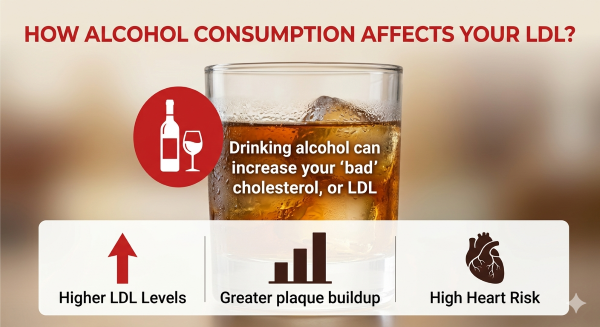
Alcohol will influence cholesterol levels; however, this will greatly depend on the amount consumed. Moderate or light drinking may even help boost your HDL (good) cholesterol. However, drinking alcohol regularly does raise your LDL cholesterol and triglycerides, which both contribute to heart disease.
Here’s the key thing: your liver processes everything. When you drink alcohol, it goes directly to your liver. Your liver breaks down the alcohol and turns it into other substances, including cholesterol and triglycerides. The more alcohol your liver has to process, the more cholesterol and triglycerides your body produces. It’s not that alcohol itself contains cholesterol. It’s that alcohol makes your body create more cholesterol.
“Alcohol is metabolized in the liver and converted into substances that increase cholesterol and triglycerides in the bloodstream.” – Cleveland Clinic
Types of Cholesterol
To understand how alcohol affects your cholesterol, you need to know what cholesterol actually is and what the different types mean.
Cholesterol is a waxy substance in your blood that your body needs to function. It’s not all bad. Your body uses cholesterol to make hormones, vitamin D, and cell membranes. The problem is when you have too much of it floating around in your bloodstream.
There are three main types of cholesterol and related particles that doctors measure:
- LDL Cholesterol (Low-Density Lipoprotein) is called “bad cholesterol” because it delivers cholesterol to your arteries. When LDL is too high, it builds up in your artery walls, creating plaque. This plaque narrows your arteries and makes it harder for blood to flow. Over time, this leads to heart attack and stroke.
- HDL Cholesterol (High-Density Lipoprotein) is called “good cholesterol” because it does the opposite of LDL. HDL picks up excess cholesterol from your arteries and takes it to your liver for removal. Higher HDL levels actually protect your heart.
- Triglycerides aren’t technically cholesterol, but they’re another type of fat in your blood. Your body uses triglycerides for energy. But when triglycerides are too high, they also increase your heart disease risk, especially when combined with high LDL or low HDL.
How Alcohol Affects Different Cholesterol Types
Light to moderate alcohol consumption might seem beneficial for cholesterol. Some studies show it can raise HDL cholesterol, the good kind. This makes sense on the surface. Higher HDL should mean lower heart disease risk, right?
But here’s where it gets complicated. Not all HDL is created equal. Some research suggests that the HDL raised by alcohol might be dysfunctional or less protective than HDL raised by other methods like exercise or healthy eating. So even if your HDL numbers go up, you might not actually be getting the heart benefit you’d expect.
Meanwhile, even light to moderate drinking doesn’t seem to significantly lower your bad cholesterol (LDL). So you might get a slight increase in good cholesterol but no improvement in bad cholesterol.
Heavy drinking, on the other hand, consistently raises both LDL cholesterol and triglycerides. This is a one-two punch that significantly increases your heart disease risk. People who drink heavily often have LDL levels that are much higher than recommended and dangerously elevated triglyceride levels.
“Heavy drinking is associated with high LDL cholesterol, high triglycerides, and increased risk of heart disease and stroke.” – Healthline
Triglycerides and Alcohol
If cholesterol is complicated, triglycerides and alcohol are even more so. Alcohol affects triglycerides dramatically, especially when consumed in large amounts.
Triglycerides are what your body makes from excess calories. When you eat or drink more calories than your body immediately needs, your liver converts those extra calories into triglycerides for storage. This is normal and necessary. But when triglycerides get too high, they become dangerous.
Alcohol is calorie-dense. A typical beer has around 150 calories. A glass of wine has around 120 calories. A cocktail can have 200 to 400 calories depending on what it’s mixed with. These calories get converted to triglycerides. But that’s not the whole story.
Alcohol affects your liver’s metabolism in a way that specifically increases triglyceride production. When your liver is busy processing alcohol, it prioritizes that task over everything else. It essentially puts normal fat-burning on hold to deal with the alcohol. At the same time, alcohol triggers the liver to produce more VLDL particles, which are triglyceride-rich. The result is a dramatic increase in triglycerides in your bloodstream.
How Different Amounts of Alcohol Affect Cholesterol
The amount you drink makes a huge difference in how your cholesterol changes:
Drinking Level | Daily Amount | LDL Cholesterol | HDL Cholesterol | Triglycerides | Overall Risk |
Non-drinking | None | Normal | Normal | Normal | Baseline |
Light Drinking | Women: up to 1 drink | No significant change | May increase slightly | No significant change | Low |
Light Drinking | Men: up to 1-2 drinks | No significant change | May increase slightly | No significant change | Low |
Moderate Drinking | Women: more than 1 drink | No significant change | May increase | Slight increase | Moderate |
Moderate Drinking | Men: more than 2 drinks | No significant change | May increase | Slight increase | Moderate |
Heavy Drinking | Women: 3+ drinks | Increases significantly | May decrease | Increases dramatically | Very High |
Heavy Drinking | Men: 4+ drinks | Increases significantly | May decrease | Increases dramatically | Very High |
Binge Drinking | 4+ drinks in 2 hours (women) | Increases significantly | Decreases | Increases dramatically | Very High |
Binge Drinking | 5+ drinks in 2 hours (men) | Increases significantly | Decreases | Increases dramatically | Very High |
If you’re interested in treatment or want to discuss your drinking and health concerns, call us or visit our contact page.
The Mechanism Behind Alcohol and Cholesterol
Understanding the liver’s role helps explain why alcohol raises cholesterol so effectively.
Your liver is like your body’s chemical processing plant. One of its main jobs is managing cholesterol and fat. Normally, your liver maintains a careful balance. It produces the cholesterol your body needs, breaks down excess cholesterol, and manages how cholesterol circulates through your blood.
When you drink alcohol, the liver treats alcohol as a priority. It essentially shifts its entire operation into overdrive to process and eliminate the alcohol. While it’s doing this processing, several things happen:
- First, the liver increases cholesterol production. Instead of producing just what your body needs, it produces excess cholesterol as a byproduct of alcohol metabolism.
- Second, the liver creates more VLDL particles (very low-density lipoproteins). These particles are essentially fat delivery vehicles. They carry triglycerides from the liver to other parts of your body. More VLDL means more triglycerides in circulation.
- Third, the liver temporarily stops its normal fat-burning processes. The liver usually breaks down fats constantly. But when processing alcohol, it puts this on hold. This means fats and triglycerides accumulate instead of being broken down.
- Finally, alcohol triggers your fat cells to release more fatty acids into your bloodstream. These fatty acids travel to the liver, which converts them into more triglycerides and more cholesterol.
Genetics, Mixers, and Type of Alcohol
The effect of alcohol on cholesterol varies between individuals for several reasons.
Genetics play a role. Some people’s bodies metabolize alcohol and produce cholesterol more efficiently than others. Research shows that certain genetic variations affect how much someone’s cholesterol changes in response to alcohol. So two people drinking the same amount might have different results based on their genes.
Type of Alcohol matters. A study comparing different types of alcohol found that beer and liquor raise triglycerides more than wine. This might be because beer contains additional sugars from malt, and liquor mixed with sugary drinks adds even more calories and sugar. Red wine contains antioxidants that might provide some benefit, but the alcohol itself still raises triglycerides.
What You Mix It With significantly affects the impact. Mixing liquor with regular soda, juice, or simple syrup adds tremendous amounts of sugar and calories. These increase triglycerides far more than the alcohol alone. Mixing with diet soda or seltzer reduces the sugar impact but doesn’t eliminate the alcohol’s effect on cholesterol.
Eating patterns influence the impact too. Drinking late at night while eating fatty foods compounds the triglyceride-raising effect. Your liver continues making and exporting fat while you sleep, leading to higher triglycerides the next morning.
Your Overall Health matters. People with diabetes, obesity, or existing metabolic problems are more susceptible to alcohol’s negative effects on cholesterol.
Why High Cholesterol from Alcohol Matters
High cholesterol from any cause, including alcohol, increases your risk of serious health problems.
Elevated LDL cholesterol and triglycerides lead to atherosclerosis. This is the buildup of plaque in your arteries. As plaque accumulates, your arteries narrow and harden. Blood flow decreases. Eventually, a clot can completely block an artery, causing a heart attack or stroke.
Heavy drinkers with high cholesterol have dramatically increased rates of heart disease. Studies show that people with heavy drinking patterns have 2 to 8 times higher risk of cardiovascular problems compared to non-drinkers or light drinkers.
Very high triglycerides (over 400 mg/dL) can also trigger pancreatitis, which is inflammation of the pancreas. Pancreatitis is extremely painful and can be life-threatening. Alcohol is a major cause of both acute and chronic pancreatitis.
Heavy drinking with high cholesterol also increases liver disease risk. The combination of alcohol and metabolic stress from high cholesterol damages the liver more severely than either alone.

Lowering Cholesterol When You Drink
If you drink alcohol and have or are concerned about high cholesterol, there are steps you can take.
- The Most Effective Step: Reduce or eliminate alcohol consumption. This is the single most effective change you can make. If you stop or significantly reduce drinking, your cholesterol and triglycerides improve dramatically. Many people see noticeable improvements in cholesterol levels within weeks of reducing alcohol.
- Dietary Changes: Focus on foods that lower cholesterol. Eat more fish, olive oil, nuts, seeds, and plant-based proteins. Reduce saturated fats and trans fats. Increase fiber intake.
- Exercise Regularly: Physical activity raises HDL cholesterol and improves overall lipid profile. Aim for at least 150 minutes of moderate exercise per week.
- Maintain Healthy Weight: Excess weight contributes to high cholesterol. Weight loss improves cholesterol levels.
- Don’t Smoke: Smoking lowers HDL cholesterol and increases LDL. Quitting improves your cholesterol profile.
- Consider Medication: If lifestyle changes aren’t enough, medications like statins can help manage cholesterol. Talk to your doctor about whether medication is right for you.
Getting Help With Alcohol and Cholesterol
If you’re drinking heavily and concerned about your health, including cholesterol, help is available.
Palm Coast Treatment Solutions in Central Florida offers comprehensive substance abuse treatment. If alcohol is affecting your health, your cholesterol, or your life in any way, treatment can help you get control back.
Our programs address:
- Alcohol addiction and dependence
- Medical detoxification if needed
- Co-occurring health conditions like high cholesterol
- Counseling and therapy to address why you drink
- Support for long-term recovery and health
- Family support and education
Many people find that addressing their alcohol use dramatically improves not just their cholesterol, but their overall health and quality of life. You don’t have to figure this out alone.
If you’re interested in treatment or want to discuss your drinking and health concerns, call us at (386) 284-4151 or visit our contact page. Our team is available 24/7, and all conversations are completely confidential.
Disclaimer
This content is for informational purposes only and does not constitute medical advice or a clinical recommendation. For a personalized assessment, please consult a licensed mental health professional. To learn more about evidence-based mental health and addiction treatment in Central Florida, visit palmcoastts.com or call (386) 284-4151.
References
- Healthline, “Can Drinking Alcohol Affect Your Cholesterol Levels?”
- Cleveland Clinic, “Does Alcohol Affect Cholesterol?”
- GoodRx, “Does Alcohol Raise Cholesterol?”
- HealthMatch, “Does Alcohol Cause High Cholesterol?”
- WebMD, “Drinking Alcohol When You Have High Cholesterol”
- Healthgrades, “How Does Alcohol Affect Triglyceride Levels?”
- Choose Your Horizon, “How Much Does Alcohol Affect Triglycerides?”
- Elpis Healthcare, “Does Alcohol Affect Cholesterol? Impact on Heart Health”
- Healthline, “Triglycerides and Alcohol”
- Laguna Treatment Center, “Effect of Alcohol on Triglycerides”
FAQs
Q: Will quitting drinking lower my cholesterol?
Yes. For most people, eliminating or significantly reducing alcohol consumption leads to noticeable improvements in cholesterol and triglyceride levels within weeks to months. The heavier your drinking was, the more dramatic the improvement usually is.
Q: Is red wine good for your heart?
Red wine gets a lot of hype because it contains antioxidants. Some studies suggest moderate red wine consumption might have heart benefits. However, the alcohol itself still raises cholesterol and triglycerides. The American Heart Association doesn’t recommend drinking wine specifically for heart health because the risks outweigh the potential benefits.
Q: How much alcohol is safe if I have high cholesterol?
If you have high cholesterol, it’s best to minimize or avoid alcohol. Even light to moderate drinking can raise triglycerides. Talk to your doctor about whether any alcohol is safe for your specific situation.
Q: How long does it take to see cholesterol improvement after quitting alcohol?
Many people see improvements in 2 to 4 weeks. Triglycerides often improve faster than LDL cholesterol. Complete normalization might take 2 to 3 months depending on how heavy your drinking was and other factors.
Q: Can I take statin medication and still drink?
While statins and alcohol can technically be taken together, alcohol reduces the medication’s effectiveness and increases liver stress. If you’re on cholesterol medication, talk to your doctor about alcohol consumption.
Q: Does light drinking really do not affect cholesterol?
Light drinking (up to 1 drink per day for women, 2 for men) generally doesn’t significantly worsen cholesterol. Some studies suggest it might slightly raise HDL. But it won’t improve high cholesterol, and for some people even light drinking affects cholesterol levels.
Q: Why do triglycerides go up so much more than LDL with alcohol?
Your liver preferentially produces triglycerides when processing alcohol. Triglycerides are essentially liquid fat that’s easier for the liver to create quickly. LDL is more regulated by your body’s overall cholesterol management, so it doesn’t spike as dramatically as triglycerides.
Q: If I have high triglycerides, should I avoid alcohol completely?
Yes. If your triglycerides are already elevated, any alcohol consumption can make them worse. Complete abstinence is the safest approach while you work on bringing triglycerides down.
Q: Can alcohol cause you to develop high cholesterol if you never had it before?
Yes. Heavy drinking can cause high cholesterol even in people without family history or genetic predisposition to high cholesterol. The effect of heavy drinking on cholesterol is powerful enough to raise levels significantly.
Q: What’s the difference between triglycerides and cholesterol?
Cholesterol is a specific type of fat that’s necessary for your body. Triglycerides are another type of fat made from excess calories. Both are fats in your blood, but they’re different substances with different effects on health. Both can be raised by alcohol, but triglycerides are often affected more dramatically.
Q: Is it possible to have normal LDL but high triglycerides from alcohol?
Yes, absolutely. Some people’s LDL stays relatively normal while their triglycerides skyrocket with heavy drinking. This is a common pattern. High triglycerides with normal LDL still significantly increases heart disease risk.