Key Takeaways
- People who use ibuprofen over a long period of time can become physically addicted to the drug or grow to psychologically rely on it.
- On rare occasions, one may get pain after stopping the Ibuprofen tablet that has been used for a while.
- Headache, aggravation, weariness, sleeplessness and exaggerated sensitivity to pain are the symptoms.
- The severity of these kinds of withdrawals varies from individual to individual, depending on the dosage and frequency of use, as well as their overall health.
- With medical advice, there will be an effort to reduce risk factors as well as plan for good pain management during the recovery process.
- This is where the professional can step in as well, particularly if the individual committing the mistake is suffering from chronic pain or stress, anxiety, emotional pain and substance use disorder.
As part of the addiction recovery / mental health care debate, it is sort of amusing to see that knowledge is increasing concerning a critical factor in ibuprofen withdrawal. Ibuprofen is a widely used pain reliever for pain and is often prescribed for headaches, inflammation and even fever and is readily available and safe. When people take too much ibuprofen at any given time or use it for too long, they can experience dependency and withdrawal that is similar to that of other overused substances, like opioids or alcohol, although dependency is not as well known with the use of ibuprofen.
We have heard from many individuals here at Palm Coast Treatment Solutions who have begun to take Ibuprofen as needed because of their pain, but eventually wind up using it every day for “normalcy.” The person would be able to make the correct choice, and then take decisions to obtain help before the situation escalates by knowing the possible chances of a withdrawal.
What is Ibuprofen and Why Can Dependence Happen?
This is Ibuprofen (NSAID – nonsteroidal anti-inflammatory drug) which is generally used as a pain reliever and anti-inflammatory. Many utilize outside for a while and have no negative reaction towards it whatsoever, on the verge of their being treated for any kind of physical pain. On the other hand, using it frequently can be detrimental at high levels.
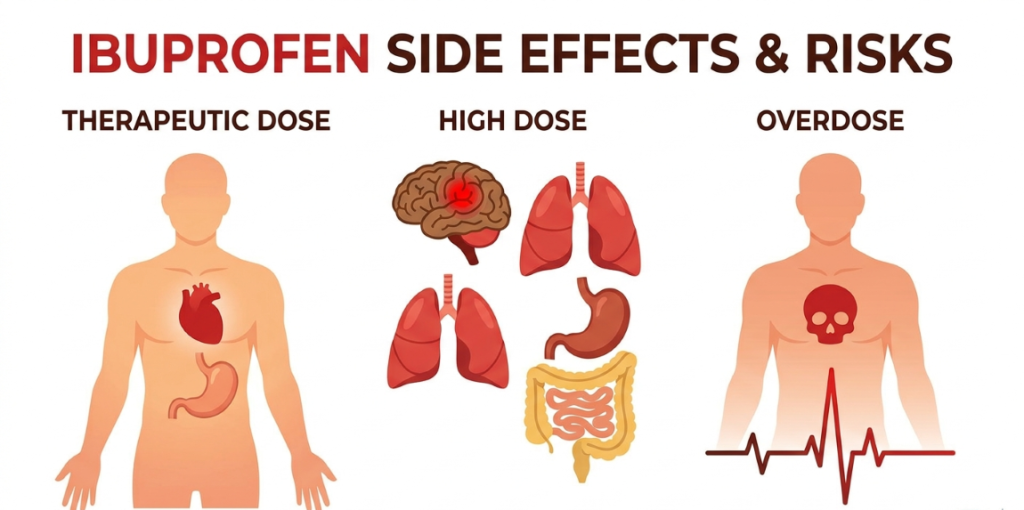
Side effects on the mind and body that might occur (doses)
What it does mean is those who use ibuprofen long-term, and do so because it helps overcome some kind of physical pain such as a sports injury, arthritis, migraine, emotional stress, etc., are experiencing emotional pain. But sooner or later you can’t do without the body and sooner or later the body adapts.
We have noticed that even a dependency of emotions may take place during counseling sessions. For instance when a person begins to imagine that he/she cannot live, sleep, play or work without the consumption of Ibuprofen. At this time, it will be riskier to develop drug addictions and the withdrawal will be harsher.
Understanding Ibuprofen Withdrawal Symptoms
Although ibuprofen doesn’t commonly cause extreme chemical dependence in contrast to opioids, a few individuals feel totally different when they quit taking it after some time. Both the actual and psychological aspects should be taken into consideration, and thus comprehension of ibuprofen withdrawal is really critical.
The issue with the body could be because of a lack of medication. That’s right; it has been a huge secret as some sort of inflammation or pain. Most symptoms are related to rebound discomfort, nervous system adjustment or psychological stresses.
In general, the symptoms can be:
- Headaches
- Muscle discomfort
- Fatigue
- Irritability
- Nervousness
- Lack of sleep
- Higher level of pain.
- Mood irregularities
- Restlessness
- Impairment to focusing
Others may become more emotionally volatile, as they are unable to use the protective habit that they may have had on a day-to-day basis.
Why Withdrawal Symptoms Can Feel Intense
One thing that needs to be considered in the case of ibuprofen withdrawal symptoms is that one’s body may have become accustomed to the decreased inflammation and pain relief that ibuprofen creates. Then, when the person suddenly stops taking the medicine, it will have consequences and add to the discomfort that is greater than the discomfort originally felt.
But to demonstrate how far there will be long-term damage. The majority of the time, what the body is calling for is an adjustment time period.
The following is a list of people who might be more susceptible to withdrawal symptoms from ibuprofen:
- Those who consume them every day and in large quantities.
- People who have been taking ibuprofen for a longer period (months or years).
- People who take ibuprofen with other drugs
- Chronic pain sufferers
Physical Risks of Long-Term Ibuprofen Use
This is also greatly influenced by mental health issues. But if that pain is then paired with an emotional pain and distress in which it is interrelated, then the medication abstinence brings fear and/or panic, frustration and hopelessness; it’s a whole different ball game.
Don’t hesitate to give Palm Coast Treatment Solutions a call today to chat with someone about treatment options and to implement long-term support and care to ensure that individuals get to recovery.
The Side effects of taking Ibuprofen Long-Term
Moreover, it is crucial to know about ibuprofen withdrawal symptoms, as its unhealthy use can have long-term health effects. If these have been used for an extended period of time, it can lead to:
- Stomach internal bleeding
- Formation of ulcers
- Kidney dysfunction, e.g.
- Liver stress
- High blood pressure
- Heart problems
Those who have been following a high dosage schedule, then probably weren’t having any trouble with the pain reforming or any sort of withdrawal episodes. But that’s not a cakewalk, since it will bring additional physical health problems in the near future.
They may seek help from a professional who can help them to reduce the usage of the potentially addictive substance that, in itself, caused other problems, forcing them to take it, which resulted in their dependency upon it.
The Emotional Side of Dependence
When administering medicine to a child, parents can cause them to miss out on the “high” – our addiction counselors and therapists said it is not always that way. This can be for good or bad reasons, perhaps out of love, anger or simply to have some kind of control over chronic pain.
Moreover, all the time somebody experiencing medication dependency develops resistance he or she is immensely drained of emotion.
Having chronic pain can be part of the changes to people’s relationships, affecting sleep, work performance and contributing to mental health stress. The frequent use of Ibuprofen may be a stabilizing factor on an emotional level, although it no longer serves on a medical level.
There’s only one thing that makes a program essential to tackle the problems both physically and psychologically. Recovery usually results from a learning technique where the use of alternative coping skills, stress management and safe pain management is used.
How to Stop Taking Ibuprofen Safely
Long-term ibuprofen use or use in large quantities by the person may result in an inability to cease taking the substance. Although most of the time, the occasional user doesn’t need to rely on medical help in the equation, it would be wise to consult with a health professional prior to changing anything for a long-term user.
But some of the things which can help are:
Gradual Reduction
Lowering the amount of normal intake is likely the best way to deal with the pain and normal
changes in the body.
Medical Evaluation
The doctor will be able to determine the condition of the organs, such as the digestive tract and kidneys; the extent of bacterial presence; inflammation; and any pre-existing disorders.
Hydration and Nutrition
Through correct eating and drinking and a lot of rest, posture and body recovery are important.
Mental Health Support
A therapist provides the individual with the best chance of learning how to not relapse back into anxiety, emotional pain and chronic pain, relying on taking drugs.
Alternative Pain Management
Most people go to several physiotherapists and a number of meditation techniques, exercise programmes and cures and use non-addictive medicines.
When Professional Treatment May Help
If someone states his/her conjunction is certainly a pain reliever, this person might be having trouble with their ibuprofen use, plus substance abuse, emotional trauma or psychological issues.
At Palm Coast Treatment Solutions, we understand each person’s journey of healing is unique. Helping caring individuals who are struggling with both emotional and/or substance addictions and co-occurring mental health issues.
But if you or a loved one ever find yourselves in a drug abuse spiral, it could mean the difference with some help from experts.
How Long Does Recovery Usually Take
Everyone’s recovery time is different. In a few days, some may not have any symptoms at all and others may have some symptoms for up to a few weeks.
Factors which affect healing are:
- The length of ibuprofen use (in weeks)
- Average daily dosage
- Physical health
- Chronic pain;
- Mental health conditions
- Lifestyle habits
With optimal care, rest, adequate fluid hydration and a little help with medical issues, he/she can often survive. Most people in the long-term will adopt a more comfortable, energetic, cheerful and restful sleep, mood, energy and comfort profile.

Building Healthier Long-Term Coping Strategies
But some things will help with healing and one is figuring out what can be done about discomfort and not feeling the need to overdo pain pills.
Some coping skills that may be helpful:
- Counseling or therapy
- Exercise and stretching
- Meditation and mindfulness
- Healthy sleep routines
- Stress reduction practices
- Support groups
- Pain-management programs
With a prescription drug addiction, it’s not simply the person who is required to eliminate drug use. It’s about a better way of life and establishing patterns better for health.
Signs It May Be Time to Seek Help
- The indications that it might be time to look for help.
- Professional support might be required if:
- When you are taking ibuprofen, you feel anxious if you don’t take it.
- You take in/expose more than intended.
- Continue using it even though health worries arise.
- When trying to quit, you become emotionally upset. You’re attempting to quit and have emotional distress.
- Eats it continuously for a long period of time.
Pain is interfering with the ability to live a normal life or taking medication to block out pain.
A general belief seems to be that people would not have any problems if they take any medicines purchased from a neighbor’s chemist. However, the use of any substance when a person is dependent on it could be dangerous.
Compassionate Support is Available
Recovery may seem like a daunting process, particularly when unresolved emotional and physical pain occur simultaneously. Fortunately, assistance is at hand!
Palm Coast Treatment Solutions treats addictions to addictive substances and emotional dependence, as well as the co-occurring mental health needs. With all our interactions, we guarantee that the recovery plans will be personal to each one of us, and that recovery will involve healing, stability and long-term wellness.
Consult Palm Coast Treatment Solutions today at (386) 284-4151 if you’re worried about someone abusing the medication or developing withdrawal symptoms so you can get the treatment you need while we help reduce the effects of the withdrawal.
Frequently Asked Questions
What are the withdrawal symptoms of ibuprofen?
Withdrawal-like symptoms may include headaches, fatigue, irritability, anxiety, sleep problems, and increased pain sensitivity. Symptoms can vary depending on how long the medication was used and the dosage taken regularly.
How long do withdrawal symptoms last?
Most symptoms improve within several days to a few weeks. Recovery time depends on dosage, duration of use, physical health, and whether underlying pain or emotional conditions are present.
What happens when you stop taking ibuprofen every day?
The body may temporarily react with rebound pain, headaches, fatigue, or emotional discomfort. Some individuals notice increased inflammation or discomfort as the body adjusts to functioning without the medication.
What are the stages of detoxing?
Detox typically begins with early adjustment symptoms, followed by physical stabilization and emotional recovery. Many people gradually regain better sleep, improved energy, and more balanced emotional functioning over time.
How long does it take your body to recover from ibuprofen?
Recovery varies, but many individuals begin feeling better within days or weeks. Full recovery may take longer if long-term overuse caused digestive, kidney, or inflammation-related complications.
What are 5 symptoms of withdrawal?
Five commonly reported symptoms include headaches, fatigue, irritability, sleep disturbances, and increased pain sensitivity. Emotional symptoms like anxiety or mood swings may also occur in some individuals.
Disclaimer
This content is for informational and educational purposes only and should not replace professional medical advice, diagnosis, or treatment. Always consult a qualified healthcare provider before stopping or changing any medication regimen. If you are experiencing severe symptoms or medical complications, seek immediate medical attention.