One question that many individuals taking stimulant drugs like Adderall wonder is, are there any cases of depression caused by adderall? The solution is more complicated than an ‘on/off’ switch. Adderall can help control some of the symptoms of ADHD and allow the user to focus and be more motivated and energetic, but it may also be a mood stabilizer for some individuals. Some people may have emotional crashes, irritability, anxiety and depression, particularly if the drug is used inappropriately, for long periods, or suddenly discontinued.
It has become obvious that it is essential to grasp how Adderall impacts the brain in order to safeguard mental well-being as well as physical health. If you or someone you know is struggling with addiction to stimulants, Palm Coast Treatment Solutions can help you familiarize yourself with the connections between drug use, emotional health and healing, and addiction recovery.
Key Takeaways
- Adderall alters dopamine and norepinephrine levels in the brain and may have an impact on mood and emotional stability.
- Adderall crashes or withdrawal can result in symptoms of sadness, emotional numbness or depression in some people.
- Improper use of and high doses of Adderall can lead to mental health effects.
- Depression associated with stimulant use can be treated with professional help and lifestyle changes.
- Withdrawal from adderall after stopping the drug can cause depression, apathy, and mood changes.
- With professional intervention, individuals can learn to cope with stimulant addiction and any mental health issues.
What is Adderall and How Does It Work?
Adderall is a prescription stimulant that’s frequently prescribed to help with ADHD and narcolepsy. Increases activity of dopamine and norepinephrine in the brain. They are neurotransmitters that affect things like focus, attention, energy and motivation.
Adderall has been linked to enhanced focus and productivity. But when it directly impacts areas of the brain involved with reward mechanisms, this may also have a negative impact on the regulation of emotions and mood. Some people will experience emotional ups and downs, moodiness and emotional fatigue over time.
Adderall can be effective and safe if the medication is taken properly and under supervision. It becomes more likely that a problem will develop when the medicine use is not what the doctor has prescribed, when the medicine is not taken with the doctor’s supervision, or when the medicine is used when the person is stressed, has less sleep or uses other substances.
Can Adderall Cause Depression?
Yes, Adderall can cause depression.
Yes, when used, some people who take Adderall may experience some depressive symptoms. This may occur while the drug is still in use or when it has stopped working or when the person is detoxing (cleansing).
The brain has its own natural chemicals, which help regulate pleasure and motivation, such as dopamine. Since Adderall boosts dopamine, the brain can become ‘re-elaborated’ to rely more heavily in the future on external sources. Some people feel a sense of “crash” when the medicine is no longer in their system and this is known as an Adderall crash.
These crash symptoms could involve:
- Low mood
- Irritability
- Fatigue
- Lack of motivation
- Emotional numbness
- Anxiety
- Hopelessness
Those who use Adderall for off-label purposes and consume doses higher than recommended could be at a greater risk of developing anxiety-related side effects of depression. With prolonged use, there is a high risk of strain to the nervous system and processes of emotional control.
Explore local recovery support with Palm Coast Treatment Solutions
Why Depression May Develop During Adderall Use
The causes of stimulant medications sometimes inducing depression can be due to a variety of reasons.
Dopamine Imbalance
Adderall is a drug that will temporarily increase dopamine levels. With time, the brain can get used to obtaining motivation or a state of balance from external cues. Low dopamine levels can lead to a sense of sadness or emptiness.
Sleep Disruption
A large number of stimulant users suffer from insomnia or from poor sleep. Ongoing low sleep levels may have a powerful influence on emotional state and can put individuals at higher risk for depression.
Appetite Suppression and Nutrition Problems
Adderall has been known to curb appetite. Long-term deficiency in nutrition may cause depression, emotional changes and mood disorders.
Emotional Dependence
Some people begin taking Adderall not only to concentrate better, but to become more confident, feeling energized or to control their Emotions. Otherwise, you may experience a lot more depression.
Withdrawal Symptoms
The abrupt withdrawal of stimulant medicines can cause depression, extreme fatigue and emotional changes.
Signs Adderall May Be Affecting Your Mental Health
Sometimes, it can be hard to determine if depression is the side effect of Adderall or an existing mental illness or life situation. There are, however, some warning signs that shouldn’t be neglected.
Possible indicators include:
- Flat effect (feeling low) on taking the medicine
- Frequent mood crashes
- Greater worry or fear
- Uninterested in activities
- Social withdrawal
- Persistent sadness
- Increased irritability
- Trouble sleeping
Fearful of losing self-respect if something happens in the absence of the drug
If the symptoms persist or intensify, then it might be time to consult a health care provider or mental health specialist.
The Difference Between Adderall Crash and Clinical Depression
An Adderall crash typically occurs when the drug has gone out of your body and can last for a few hours or days. Sometimes symptoms can improve with medication changes and rest, hydration and nutrition.
Clinical depression touches many areas of life and is more prolonged. It can appear as continuing sadness and hopelessness, loss of appetite, decreased energy, and lack of interest, all which persist for weeks or months.
Use of stimulants may reveal compounds of depression that may not have been noticed before. Sometimes, however, long-term drug and alcohol use can be a direct factor in depressive symptoms.
Adderall Misuse and Addiction Risks
Adderall is medically prescribed, yet it can likewise be misused and be psychologically addictive. Some individuals use higher doses to prolong their wakefulness, boost their productivity or improve their grades or job performance.
As time goes on, if misused, it can result in:
- Increased tolerance
- Emotional instability
- Anxiety
- Depression
- Isolation
- Dependency
- Withdrawal symptoms
A stimulant addiction can impact relationships, job performance, physical well-being, and emotional states. If you could get some help at an early stage, you would achieve better results and a speedy recovery.
When to Seek Professional Help
The symptoms of substance use disorder could be due to other mental health disorders or side effects from medications, so consultation with a licensed therapist, psychiatrist, or addiction specialist may be beneficial to determine whether the symptoms are related to another mental health disorder or drug side effects.
Treatment may include:
- Medication monitoring
- Therapy or counseling
- Cognitive behavioral therapy (CBT)
- Lifestyle changes
- Sleep improvement strategies
- Nutritional support
Treatment is provided for addiction as necessary.
Palm Coast Treatment Solutions’ caring staff welcomes people who are dealing with stimulant misuse, emotional issues, and dual-diagnosis undertakings in a caring and secure environment.
How to Reduce the Risk of Depression While Taking Adderall
The following are some ways to minimize the risk of side effects from using stimulant medications that may affect a person’s mood.
Follow Prescription Guidelines
Don’t take more than the prescribed doses.
Prioritize Sleep
How well we sleep can have a significant impact on our emotional state and train of thought.
Maintain Healthy Nutrition
A healthy balance of nutrients and water aids brain function and stability of mood.
Monitor Emotional Changes
Be aware of any changes in your mood or emotional “crashes” or feelings of sadness and talk to your doctor about them.
Avoid Mixing Substances
The use of stimulants (including alcohol) can worsen mental health issues, and might exacerbate emotional symptoms.
Consider Therapy
Stress and emotional problems caused by stimulant use can be managed with therapy.

You Don’t Have to Navigate This Alone
It’s easy to feel depressed and to start abusing drugs that stimulate the user, but help is available and recovery is possible. No matter if you’re struggling with dependence on prescription stimulants, extreme low mood, declining mental health or treatment, there is help available.
Palm Coast Treatment Solutions provides kind, evidence-based treatment that focuses on lifelong recovery. We are practitioners and recognize that addiction has been intertwined with mental health for many, and we create a recovery plan tailored to the person.
Talk to a caring professional today by calling Palm Coast Treatment Solutions at (386) 284-4151 to learn about treatment options that help support a personalized recovery and emotional wellness.
Final Thoughts
So, is it possible for Adderall to produce depression? Yes, for others. While Adderall has typically proven helpful as it is intended, it can also have an impact on mood, talk about issues or dependency when utilized improperly or when it is withdrawn suddenly.
Early identification of the signs and symptoms and getting professional support will make a huge difference to long-term mental health and recovery. If you or a loved one is having emotional swings, depression or issues with stimulant misuse, someone cares and can help.
Call Palm Coast Treatment Solutions now to find out and start ON the road to healthier lifestyle options.
Frequently Asked Questions
Does Adderall mess with your emotions?
Yes, Adderall can affect emotions in some individuals. Mood swings, irritability, anxiety, emotional numbness, or sadness may occur, especially during medication crashes, misuse, or withdrawal. Monitoring emotional changes closely can help identify potential concerns early.
Does Adderall cause permanent changes?
Most emotional and mental side effects improve after proper treatment or medication adjustments. However, long-term misuse of stimulant medications may contribute to lasting emotional or neurological effects if left untreated for extended periods.
What are the side effects of Adderall?
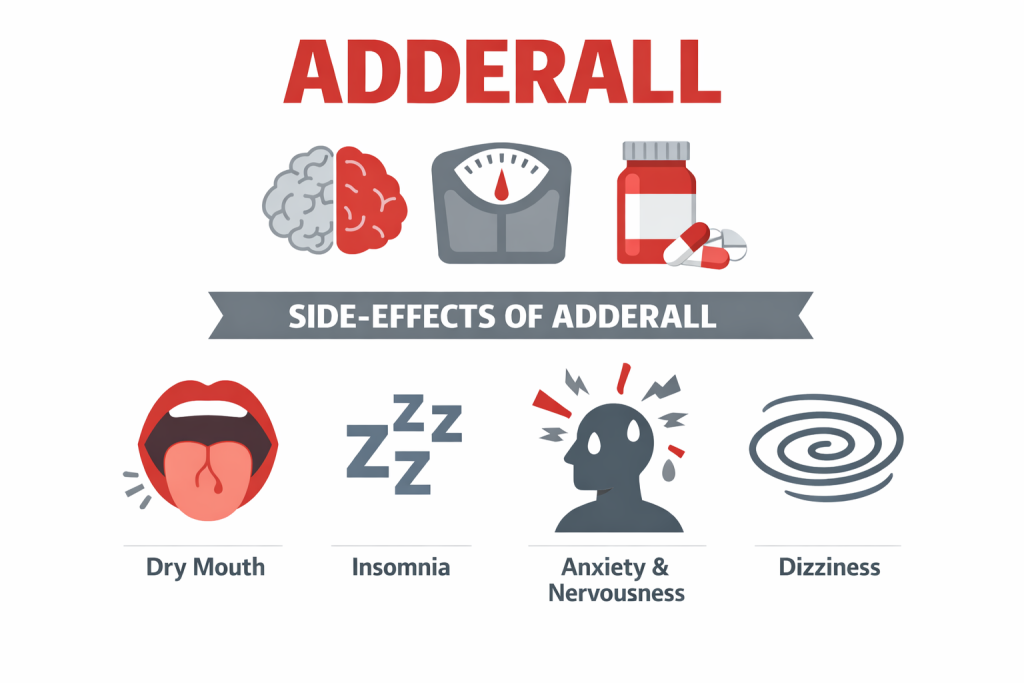
Common side effects include insomnia, appetite loss, anxiety, dry mouth, increased heart rate, mood swings, irritability, and headaches. Some individuals may also experience emotional crashes or depressive symptoms after the medication wears off.
How long does depression from Adderall last?
Depressive symptoms related to Adderall may last from several hours to a few weeks depending on dosage, duration of use, overall mental health, and whether withdrawal is involved. Professional support can help manage symptoms safely.
Can Adderall change your personality over time?
In some cases, stimulant misuse or prolonged emotional dependence may affect behavior, emotional expression, or social interactions. People may appear withdrawn, anxious, emotionally flat, or unusually irritable when the medication affects mood regulation.
Disclaimer
This content is for informational and educational purposes only and should not replace medical advice, diagnosis, or treatment from a licensed healthcare professional. Always consult a qualified medical provider regarding medication use, mental health concerns, or substance abuse treatment.