You might have heard about ketamine in the news. Maybe you’ve read about it being used to treat severe depression. Or maybe you’re concerned because someone you know is using it as a recreational drug. You might be wondering, what exactly is ketamine? Is it safe? Is it addictive? Understanding what ketamine really is helps you make informed decisions about your health and safety. Let’s break down this complex drug clearly and honestly.
What is Ketamine?
Ketamine is classified as a dissociative anesthetic.
That description might sound confusing, so let’s break it down. An anesthetic is a drug that reduces or eliminates pain and causes loss of consciousness. Doctors use anesthetics during surgery. A dissociative anesthetic is different from regular anesthetics. Instead of just making you unconscious, it makes you feel disconnected from your body and environment while still being somewhat aware.
The word “dissociative” describes the main effect: dissociation. Dissociation means feeling separated or detached from your body, your emotions, and your surroundings. When you take ketamine, you might feel like you’re floating outside your body or watching yourself from a distance. You’re aware but disconnected. You don’t feel pain. You don’t feel fear. You feel separate from reality.
The Controlled Substance Act classifies ketamine as a Schedule III non-narcotic drug. Schedule III means it has moderate abuse potential and some accepted medical uses. It’s more controlled than Schedule IV drugs (like sleeping pills) but less controlled than Schedule II drugs (like oxycodone).
“Ketamine is a dissociative anesthetic that distorts the perception of sight and sound and makes the user feel disconnected and not in control.” – DEA Fact Sheet
Medical Uses of Ketamine
Ketamine has legitimate medical purposes when used by healthcare professionals.
- Surgical Anesthesia: Ketamine is used to induce general anesthesia for medical and surgical procedures. It’s especially useful in emergency situations, trauma cases, and pediatric (children’s) surgery because it maintains heart rate and breathing better than some other anesthetics. During surgery, doctors use specific doses to create the anesthetic state needed.
- Pain Management: At lower doses, ketamine is used to manage acute and chronic pain. It provides powerful pain relief without the risks associated with opioids. Doctors might use it for severe burn pain, trauma pain, or post-operative pain.
- Emerging Psychiatric Treatment: In recent years, ketamine has shown promise in treating severe depression that doesn’t respond to traditional antidepressants. The FDA has approved esketamine (a form of ketamine) as a nasal spray called Spravato for treatment-resistant depression. This is a major breakthrough because traditional antidepressants take weeks to work, while ketamine can show effects within hours.
- Research Uses: Ketamine is being studied for treating PTSD, suicidal ideation, obsessive-compulsive disorder, and substance use disorders. The research is promising, though not all uses are FDA-approved yet.
100% Confidential Support is Available 24/7
No matter what you’re going through, you’re not alone. Our dedicated team is here to provide a safe, judgment-free space where you can talk openly and honestly. Whether you need emotional support, resources, or just someone to listen.
We’re here for you—completely confidential and always respectful of your privacy. Call us today!
How Ketamine Works in Your Brain
Understanding the mechanism helps explain both its medical benefits and why it’s addictive.
Ketamine works by affecting a neurotransmitter called glutamate. Glutamate is involved in pain perception, mood, and learning. Specifically, ketamine blocks NMDA receptors, which are involved in pain signaling and mood regulation.
When you take ketamine:
- At higher doses (full anesthetic doses), it blocks pain signals entirely and creates unconsciousness along with dissociation. The brain doesn’t perceive pain.
- At lower doses (sub-anesthetic doses), it creates dissociation and pain relief without full unconsciousness. You’re aware but feel disconnected.
The rapid antidepressant effects seem to come from ketamine’s ability to increase certain brain chemicals and form new neural connections. This is why ketamine can help severe depression so quickly, whereas traditional antidepressants take weeks to work.
The dissociative effects come from ketamine’s impact on consciousness and perception. Your brain experiences a unique state that’s different from sleep or regular anesthesia.
Contact Palm Coast Treatment Solutions
Battling with Drug and Alcohol Addition? Remember, you are not alone and we are here to help you!
Recreational Ketamine Use and Abuse
When used outside of medical settings, ketamine becomes a serious concern.
Recreational users take ketamine to experience the dissociative effects. They might describe it as feeling like they’re floating, having out-of-body experiences, or feeling separated from reality. At lower recreational doses, users experience dissociation and euphoria. At higher doses, they might experience hallucinations and complete disconnection from reality.
Ketamine used recreationally comes in several forms:
- Powder, which is snorted
- Crystals, which are crushed and snorted
- Liquid, which is injected or sometimes added to drinks
- Pills or capsules, which are swallowed
Overcome Addiction with Palm Coast Treatment Solutions.
Book an appointment.
Is Ketamine Addictive?
Yes, ketamine can be addictive, though the addiction mechanism is different from opioids or stimulants.
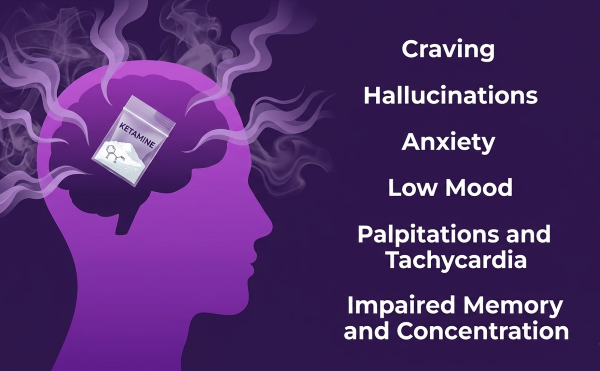
Ketamine creates psychological dependence more than physical dependence. People can become psychologically addicted to the dissociative effects and the escape from reality that ketamine provides. With repeated use, the brain adapts, requiring higher doses to achieve the same effect. The person develops cravings for the drug.
When someone stops using ketamine after regular use, they experience withdrawal symptoms including:
- Anxiety and panic
- Depression
- Craving for the drug
- Irritability
- Insomnia
- Tremors (less severe than alcohol or opioid withdrawal)
The physical withdrawal from ketamine is generally less severe than from alcohol, opioids, or benzodiazepines, but the psychological dependence can be powerful. People often return to using because of cravings and difficulty managing without the drug.
“Like all drugs with mind-altering potential, ketamine can create dependence, requiring higher doses over time and leading to addiction.” – American Addiction Centers
Short-Term and Long-Term Effects of Ketamine Abuse
Understanding the effects helps explain why ketamine abuse is dangerous.
Short-Term Effects (during and immediately after use):
- Dissociation and feeling detached from body
- Out-of-body experiences
- Hallucinations (especially at higher doses)
- Euphoria and intense pleasure
- Numbness and lack of pain sensation
- Impaired coordination
- Confusion and difficulty concentrating
- Increased heart rate and blood pressure
- Nausea
Long-Term Effects of Regular Abuse:
- Bladder damage and painful urination
- Kidney problems and chronic kidney pain
- Stomach ulcers and chronic abdominal pain
- Memory problems and cognitive impairment
- Psychological dependence and addiction
- Depression (especially when not using)
- Tolerance (needing higher doses)
- Flashbacks and dissociative episodes
- Mental health deterioration
- Relationship and employment problems
The bladder and kidney damage from chronic ketamine use is particularly concerning. Some chronic users develop severe chronic pain from bladder ulcers and require surgical intervention.
Overcome Addiction with Palm Coast Treatment Solutions.
Book an appointment.
Ketamine vs. Other Drugs
Here’s how ketamine compares to other common drugs of abuse:
Drug | Type | Primary Effect | Addiction Potential | Physical Withdrawal | Health Risks | Medical Use |
Ketamine | Dissociative Anesthetic | Dissociation, Pain Relief | Moderate-High | Mild | Bladder, Kidney, Mental Health | Anesthesia, Depression |
Cocaine | Stimulant | Euphoria, Energy | Very High | Mild | Heart, Brain, Overdose | None (US) |
Heroin | Opioid | Euphoria, Pain Relief | Extreme | Severe | Overdose, Infections | Pain (prescription form) |
Alcohol | Depressant | Relaxation, Euphoria | High | Severe | Liver, Brain, Overdose | Medical Uses |
MDMA | Stimulant/Entactogen | Euphoria, Empathy | Moderate | Mild | Overheating, Heart, Brain | Research Only |
Methamphetamine | Stimulant | Euphoria, Energy | Extreme | Moderate | Heart, Brain, Teeth, Psychosis | Limited Research |
Marijuana | Cannabinoid | Relaxation, Euphoria | Low-Moderate | Minimal | Respiratory, Motivation | Medical |
Ketamine’s addiction potential is moderate to high, depending on the person and frequency of use. Some people develop addiction quickly, while others don’t. History of substance abuse significantly increases addiction risk.
When Ketamine Might Be Dangerous or Should Be Avoided
Even when prescribed medically, ketamine requires careful monitoring.
Ketamine should be avoided or used with extreme caution in:
- People with a history of substance abuse or addiction: Because ketamine can cause euphoria and addiction, people with prior addiction are at high risk.
- People with psychosis or schizophrenia: Ketamine’s dissociative effects can worsen psychotic symptoms.
- Teenagers: Concerns exist about ketamine’s effects on the developing adolescent brain.
- People with heart problems: Ketamine increases heart rate and blood pressure, which can be dangerous for people with cardiac conditions.
- Pregnant women: The effects on fetal development aren’t well understood.
- People taking certain medications: Ketamine can interact with other drugs, potentially causing dangerous effects.
When ketamine is used medically, it requires:
- Supervision by trained medical professionals
- Monitoring of heart rate and blood pressure
- Appropriate dosing based on body weight
- A safe medical setting with emergency equipment available
- Informed consent and understanding of risks
Overcome Addiction with Palm Coast Treatment Solutions.
Book an appointment.
Getting Help for Ketamine Addiction
If you or someone you love is struggling with ketamine addiction, help is available.
Palm Coast Treatment Solutions offers comprehensive addiction treatment for people struggling with ketamine and other substance use disorders. We understand that dissociative drugs create unique challenges, and our team has experience treating this addiction.
Our approach includes:
- Medical detoxification to manage withdrawal safely
- Individual therapy to address underlying issues
- Group therapy for peer support and accountability
- Cognitive Behavioral Therapy (CBT) to change thought patterns and behaviors
- Dual diagnosis treatment if depression or other mental health issues are present
- Residential treatment for comprehensive, full-time support
- Intensive Outpatient Programs for flexible, intensive care
- Aftercare planning to support long-term recovery
Recovery from ketamine addiction is possible. Many people have successfully quit and rebuilt their lives. With proper treatment and support, you can too.
If you’re ready to get help, call us at (386) 284-4151 or visit our contact page. Our team is available 24/7, and all conversations are completely confidential.
FAQs
Q: Is ketamine a depressant?
Not exactly. Ketamine is classified as a dissociative anesthetic, which is its own category. It has some depressant properties (like slowing breathing and heart rate at high doses) but its main effect is dissociation, making it distinct from depressants like alcohol or benzodiazepines.
Q: Is ketamine safe when used medically?
When administered by trained professionals in a medical setting at appropriate doses, ketamine is relatively safe. The key is medical supervision, proper dosing, and monitoring. Recreational use without medical supervision is unsafe.
Q: How long do ketamine effects last?
When injected intravenously, effects typically last 15-30 minutes. When snorted, effects last 1-2 hours. When taken orally, effects can last 4-6 hours. The duration depends on the dose and route of administration.
Q: Can you overdose on ketamine?
Yes, ketamine overdose is possible and can be serious. High doses can cause dangerously slow breathing, loss of consciousness, seizures, or death. Overdose risk increases when ketamine is combined with other drugs.
Q: What does ketamine withdrawal feel like?
Ketamine withdrawal primarily involves psychological symptoms: anxiety, panic, depression, and intense cravings. Physical symptoms are generally milder than alcohol or opioid withdrawal but can include tremors, sweating, and insomnia. Withdrawal is extremely uncomfortable psychologically.
Q: Is ketamine addictive like heroin or cocaine?
Ketamine addiction is somewhat different. Physical dependence is milder than heroin but psychological dependence can be severe. The addiction mechanism involves craving the dissociative experience and difficulty functioning without it.
Q: Why are doctors using ketamine to treat depression?
Ketamine’s rapid antidepressant effects are revolutionary. Traditional antidepressants take weeks to work. Ketamine shows effects within hours or days. For people with treatment-resistant depression or suicidal ideation, this speed can be lifesaving. However, it’s typically used under medical supervision with careful monitoring.
Q: What’s the difference between ketamine and esketamine?
Esketamine is a refined form of ketamine (the S-enantiomer) that’s more potent at lower doses. Esketamine (Spravato) is FDA-approved for depression and administered as a nasal spray. Regular ketamine is IV or intramuscular injection.
Q: Can you test positive for ketamine on a drug test?
Yes. Standard drug tests don’t typically look for ketamine, but specialized tests can detect it. Ketamine can be detected in urine for several days after use.
Q: What should I do if someone is having a bad ketamine experience?
Make sure they’re in a safe place. Stay with them. Reassure them that the effects are temporary and will wear off. Don’t leave them alone. If they’re in severe distress or having a medical emergency (difficulty breathing, chest pain, seizures), call 911.
Q: How is ketamine addiction treated?
Treatment typically involves detoxification, therapy (especially CBT), support groups, addressing underlying mental health issues, and long-term follow-up. Unlike opioid addiction, medication-assisted treatment isn’t typically used for ketamine, though medications might help manage withdrawal anxiety or depression.
References
- DEA Fact Sheet, “Ketamine”
- Medical News Today, “Ketamine: What Is It, Uses, Treatments, Effects”
- NIH/NCBI, “Ketamine – StatPearls”
- American Addiction Centers, “Ketamine Abuse: Addiction, Effects, and Treatment”
- WebMD, “What Is Ketamine? How It Works and May Help With Severe Depression”
- Harvard Health, “Ketamine for Treatment-Resistant Depression: When and Where Is It Safe?”
- Alcohol and Drug Foundation, “Dissociatives”
- ASA HQ, “Ketamine: Anesthesia and Pain Relief”
- NCBI/PMC, “Ketamine Treatment for Depression: A Review”
- NCBI/PMC, “Ketamine for the Treatment of Mental Health and Substance Use Disorders”